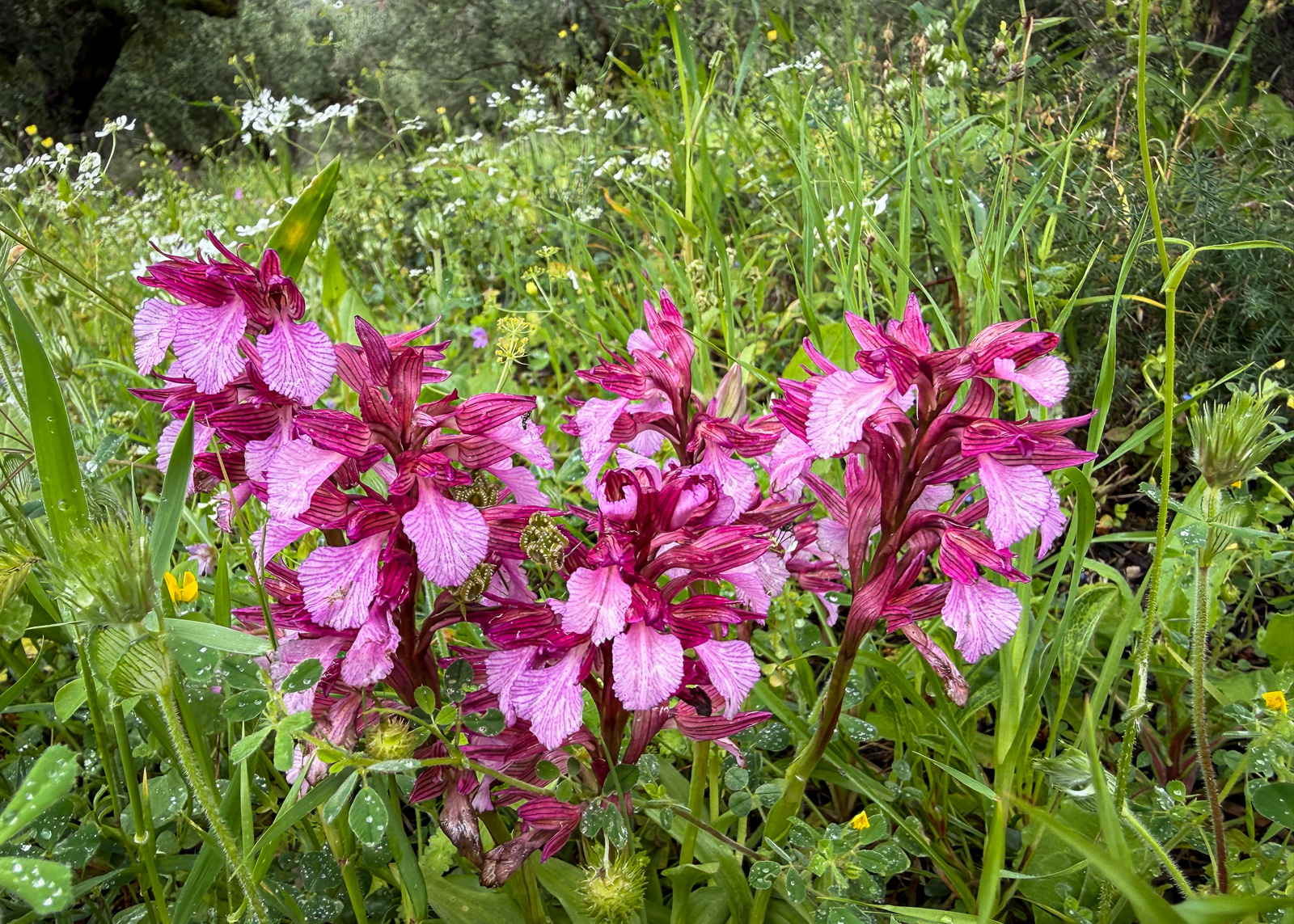
Spring in the Peloponnese, April 2026
I’d been thinking about a nature trip to escape the cold, wet weather at home, so when a friend at an RSPB meeting mentioned that he was heading to the Peloponnese in April, I decided to join him. The trip was led by Mike Crewe and Glyn Evans. Mike had also been on my Iceland trip, and with his botany background alongside both guides’ strong birding skills, it turned out to be an excellent combination.
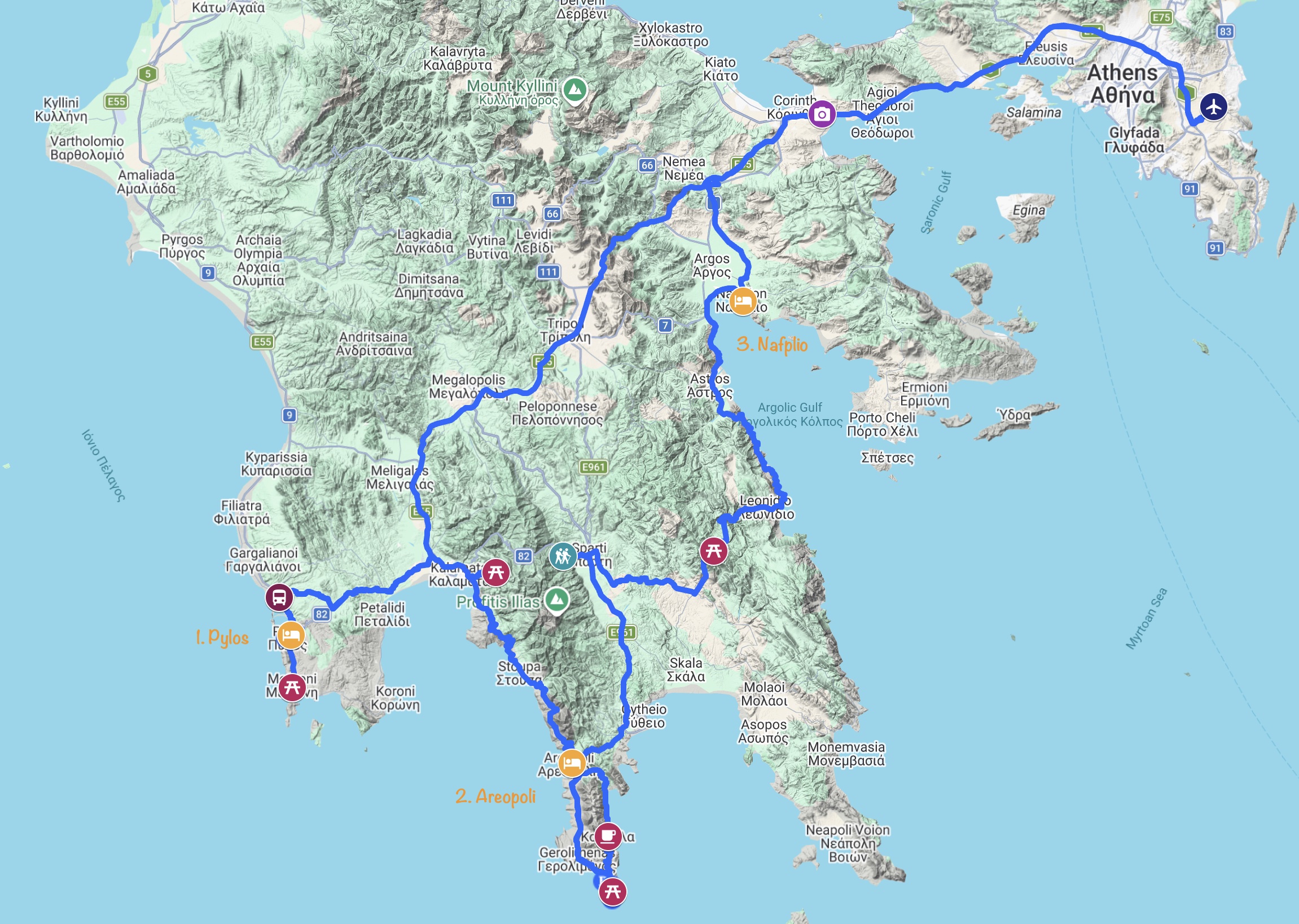
2 April – Corinth Canal and Gialova
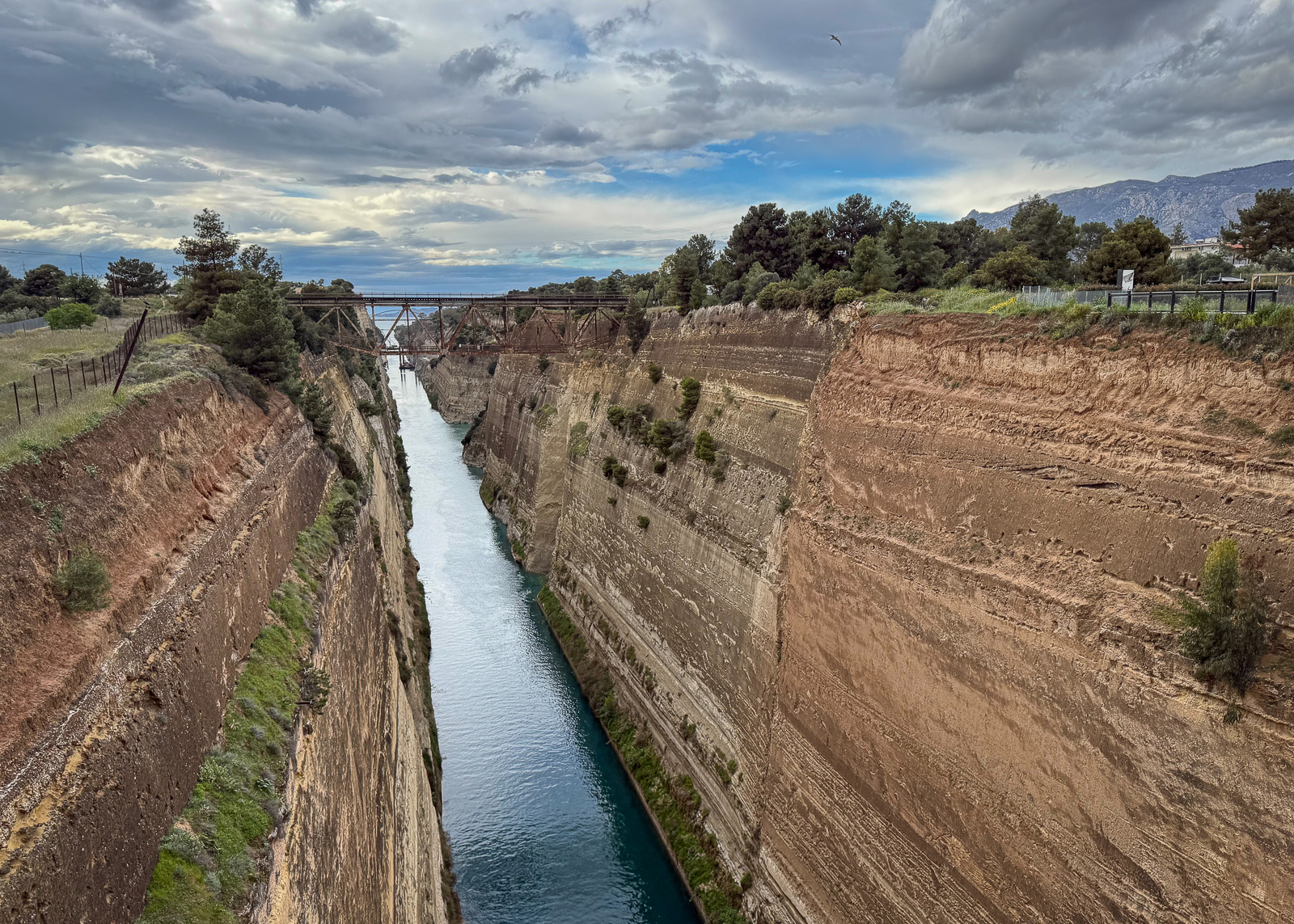
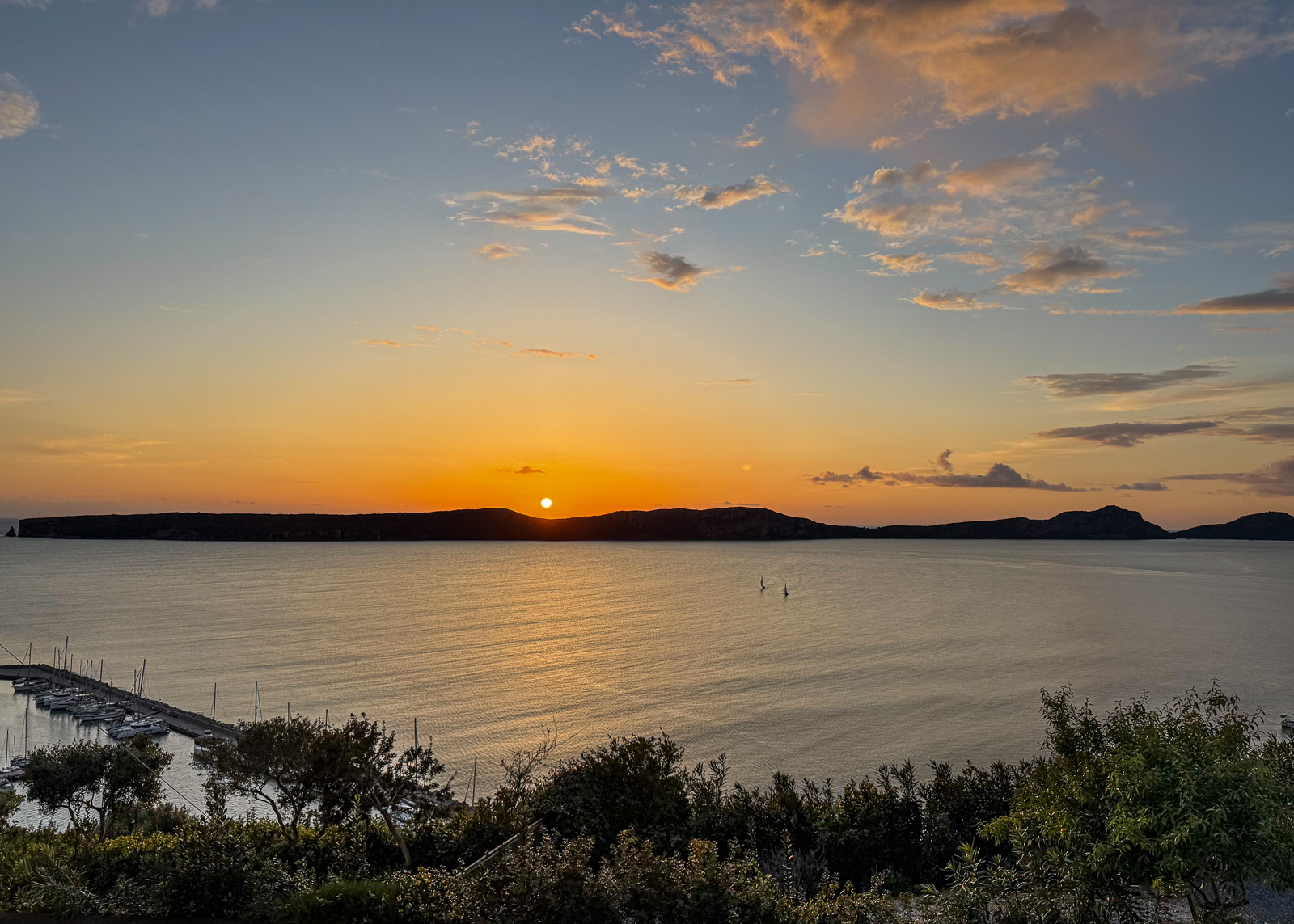
After a long, wet day of travel, we arrived at our first hotel. We made a quick stop at the Old Isthmus Bridge to look down into the Corinth Canal, where a few Lesser Kestrels were flying around. The hotel was lovely, with a balcony overlooking the Gialova Lagoon.
Corinth Canal
“Completed in 1893, the Corinth Canal cuts through the narrow Isthmus of Corinth, linking the Aegean and Ionian seas. The idea dates back to antiquity, with attempts proposed as early as the 7th century BC.“
3 April – Pylos Castle and the Gialova Wetlands
It was a wet start to the day, so we spent the morning around Pylos Castle, which provided some shelter between showers. The grounds were interesting and full of flowers and birds, including some lovely Sardinian Warblers.
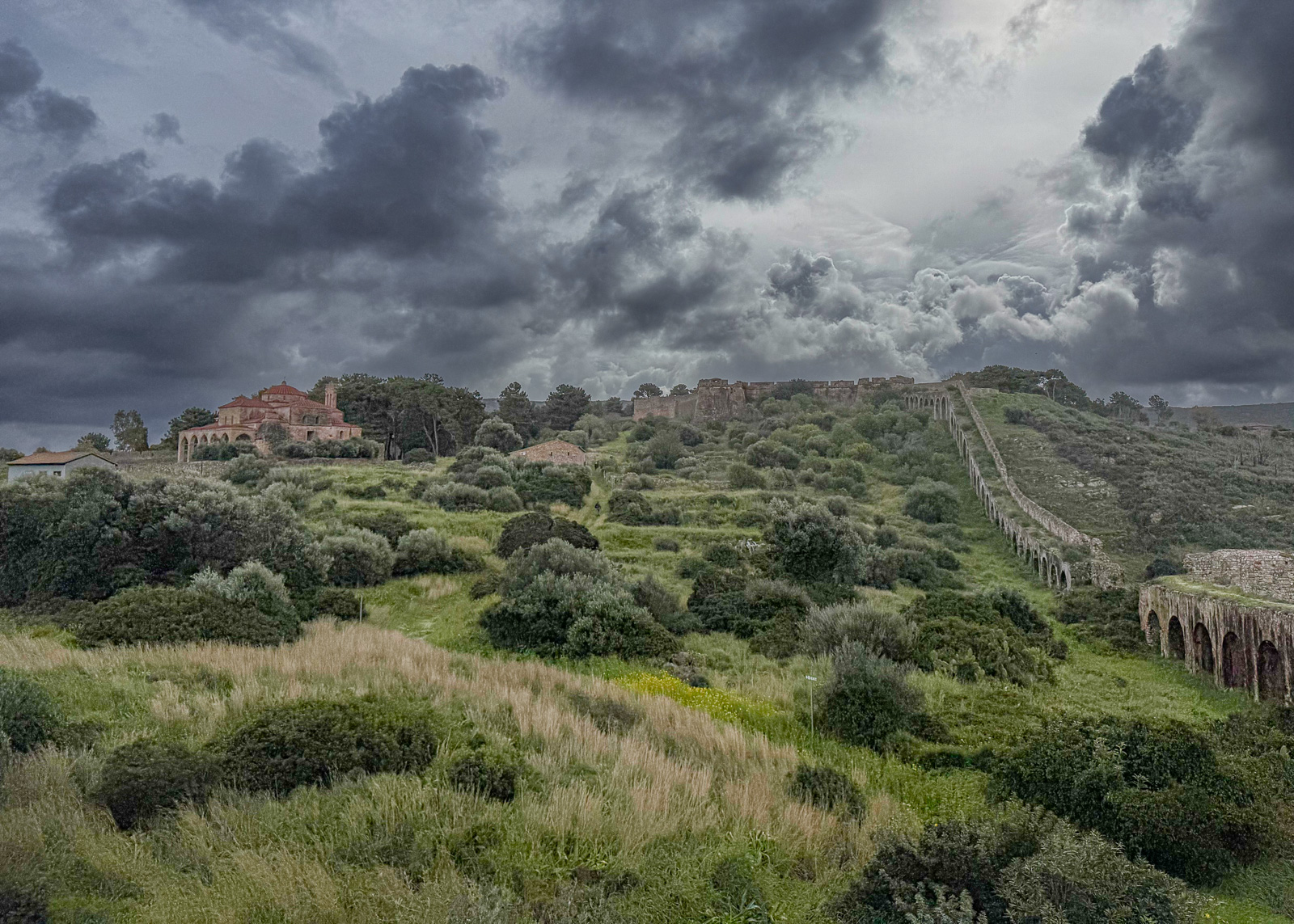
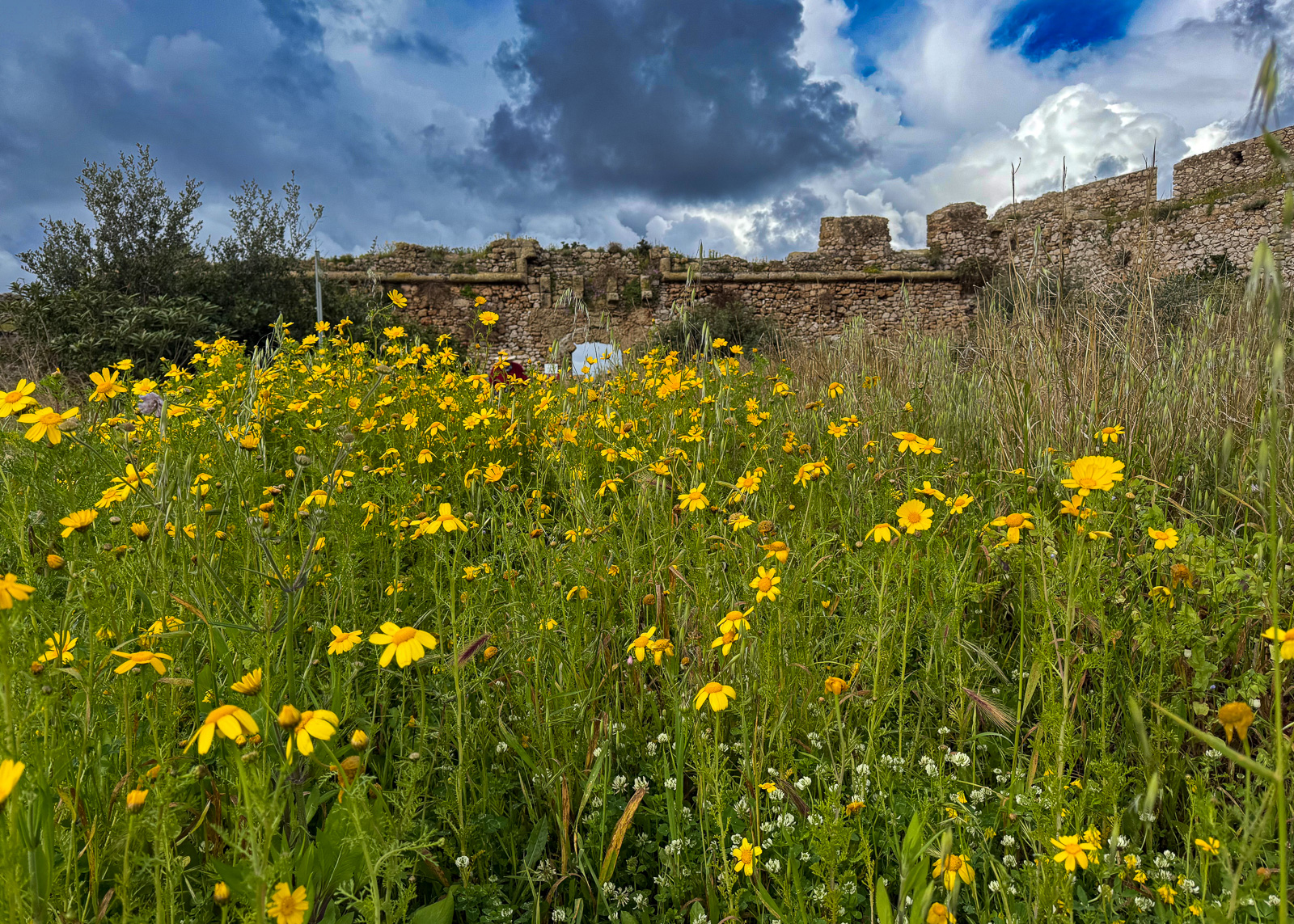
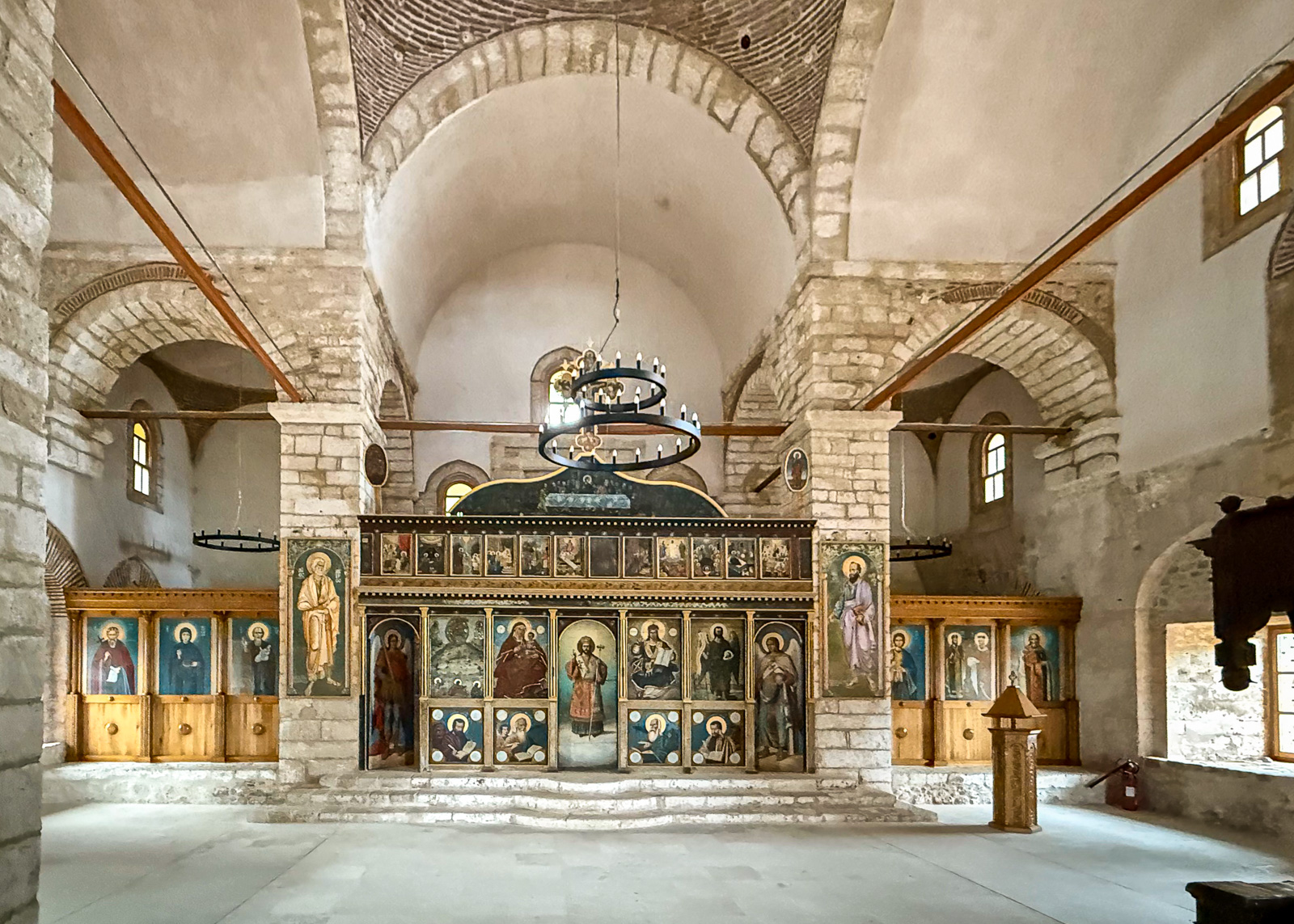
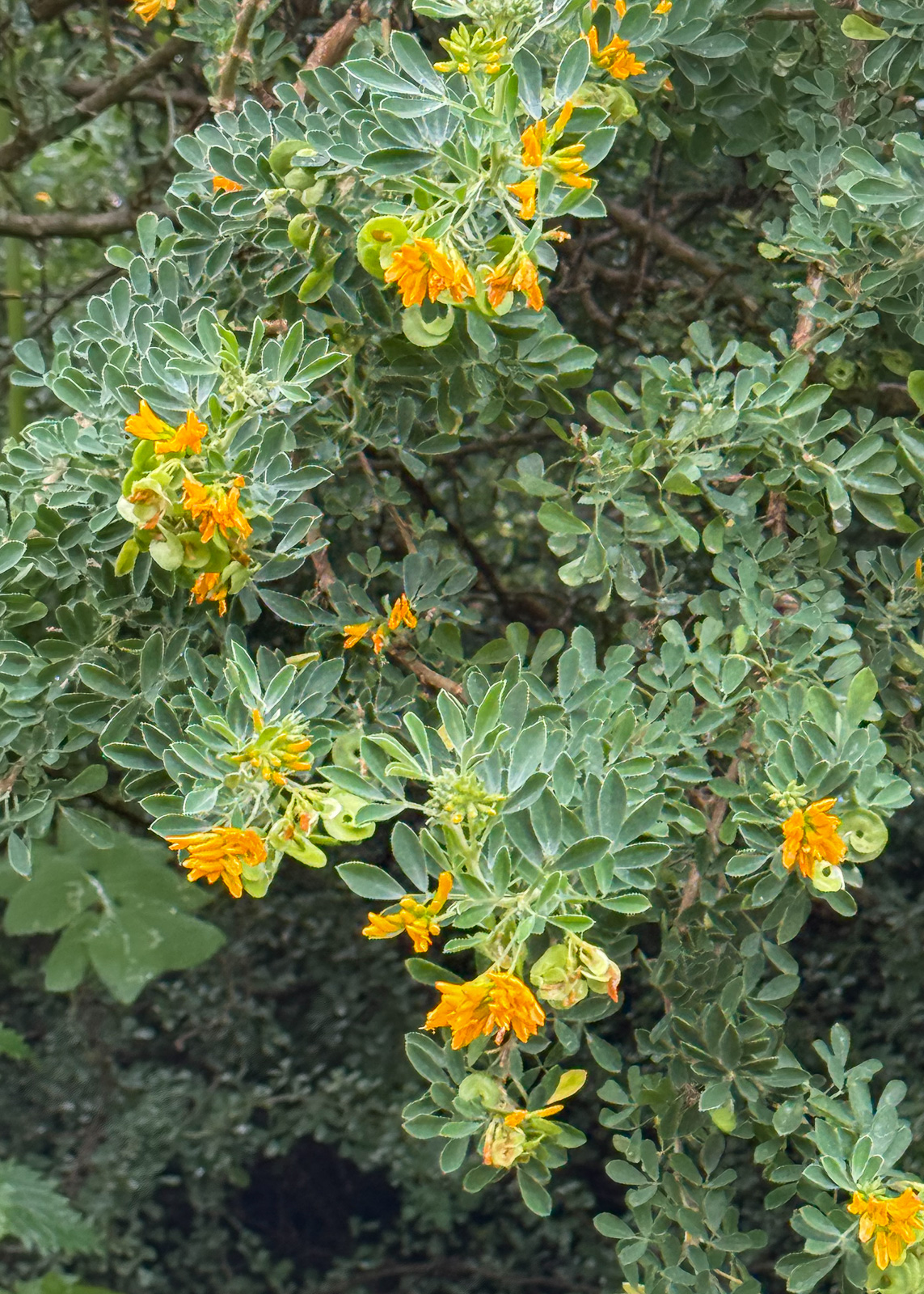
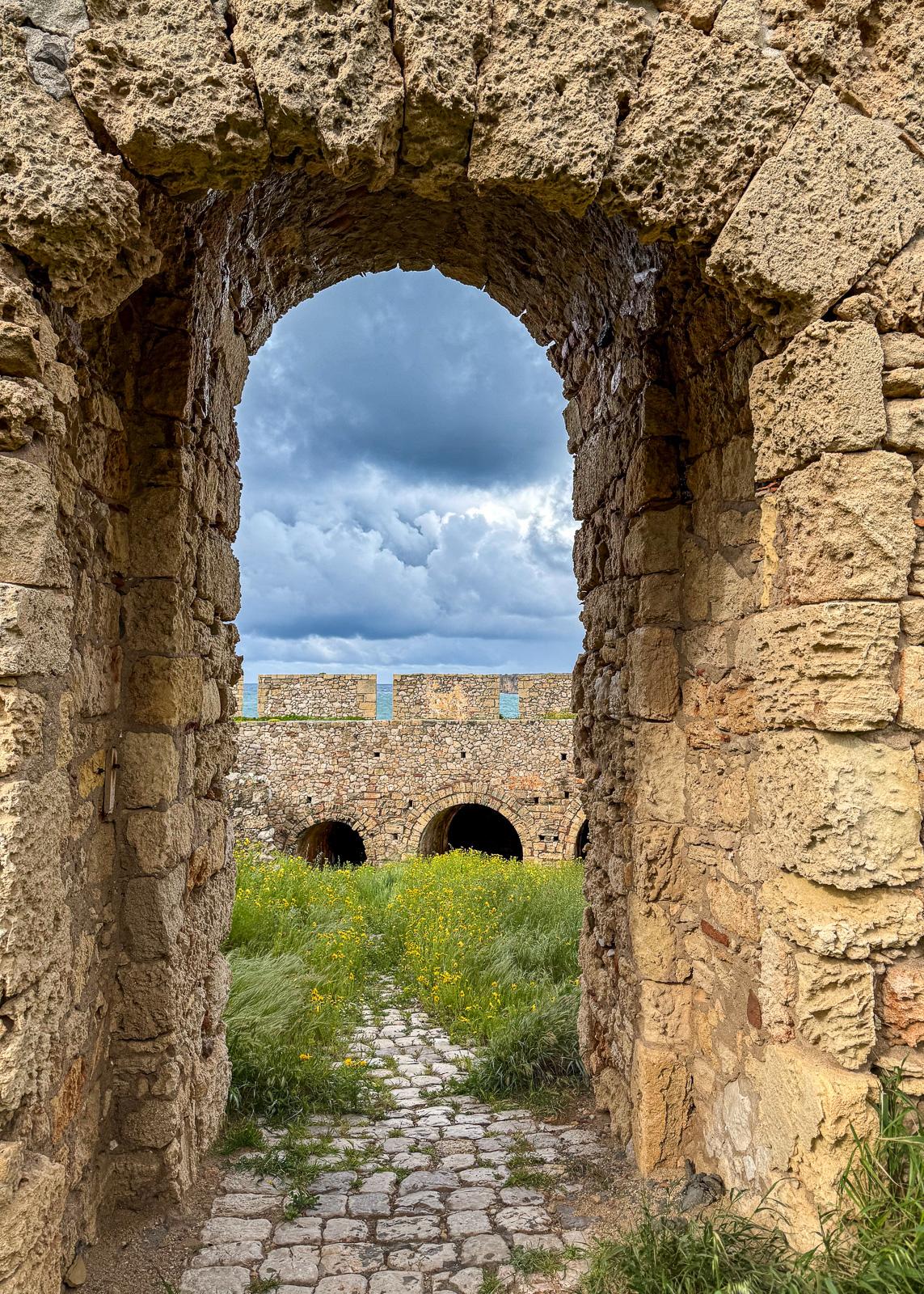
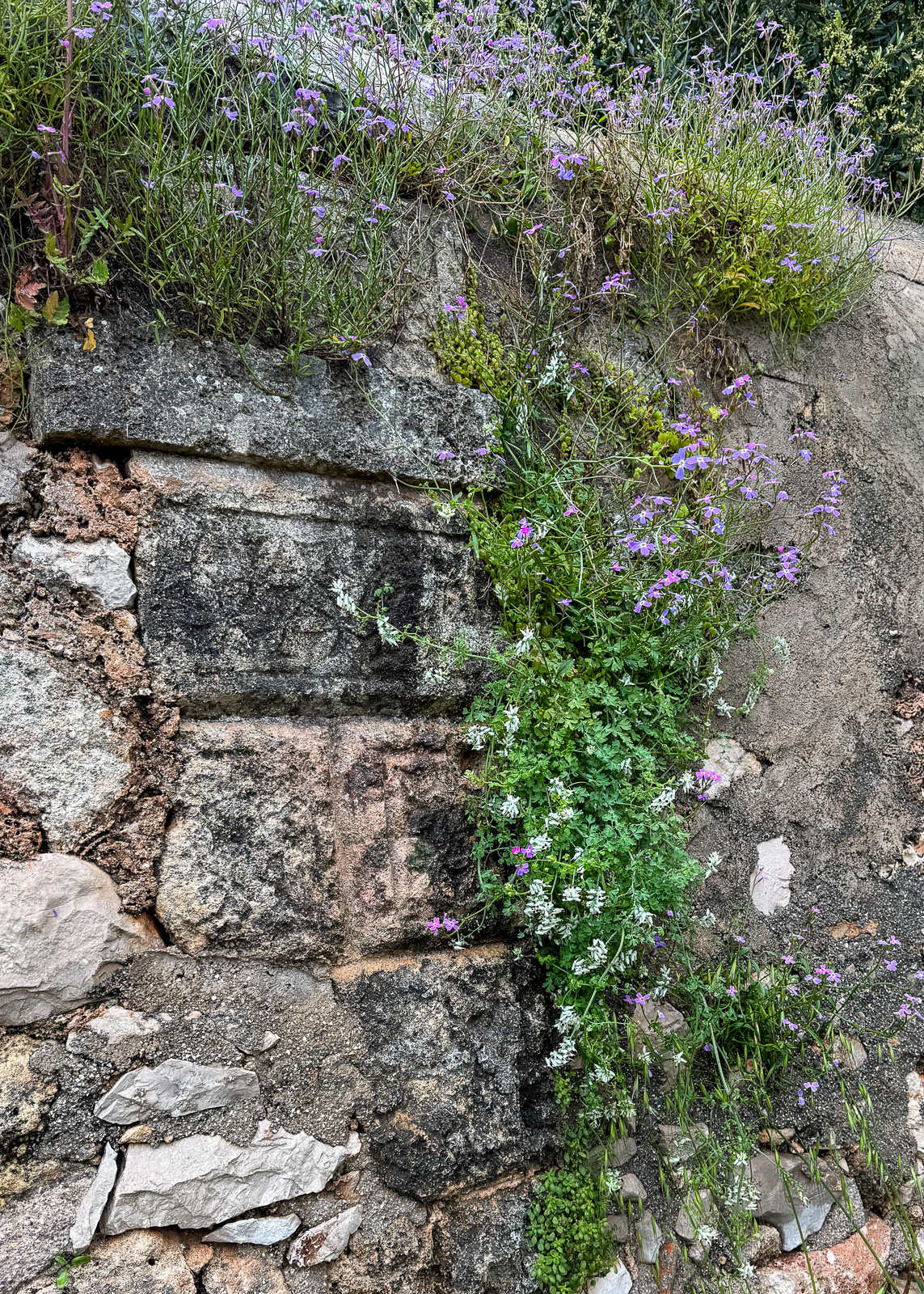
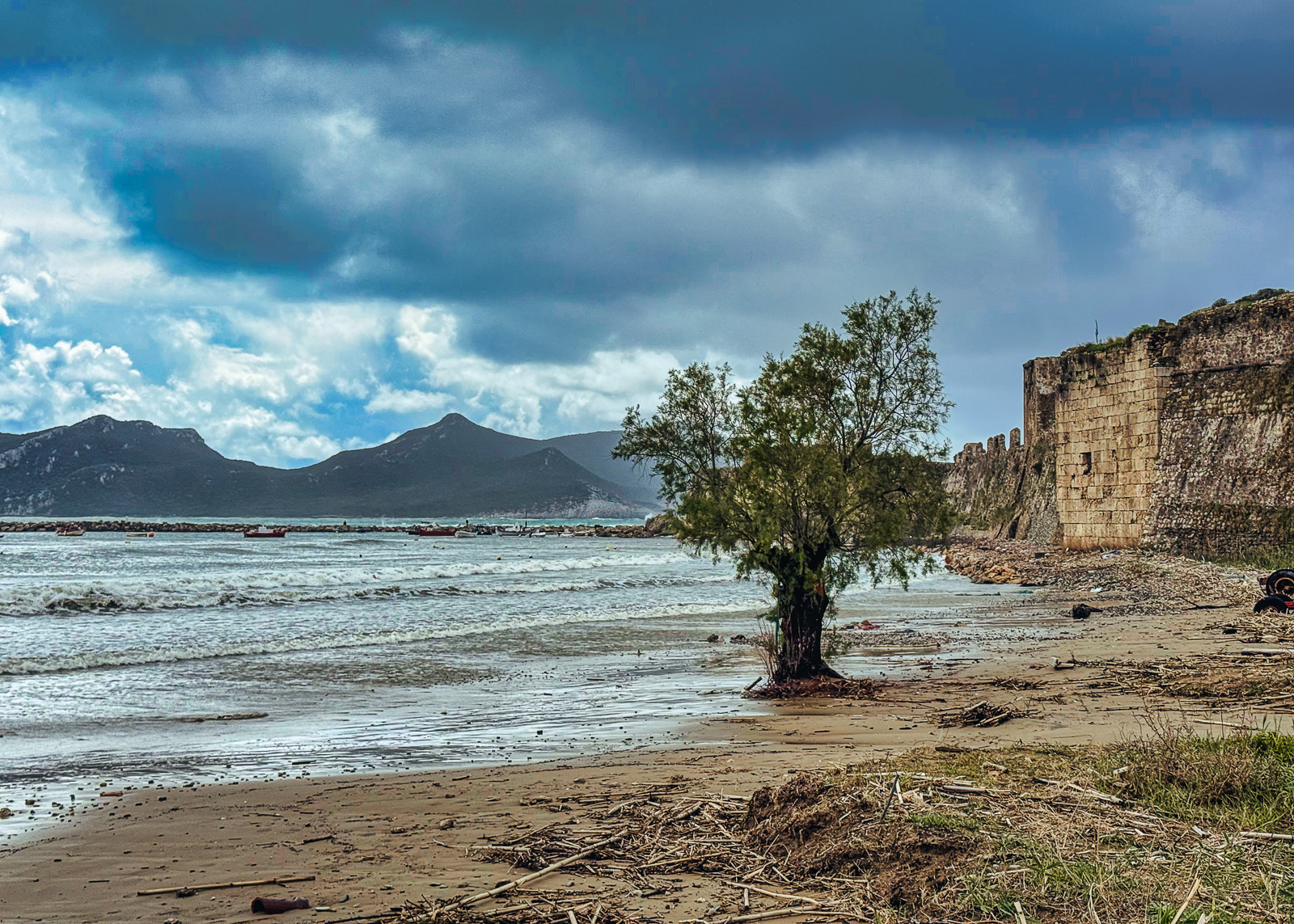
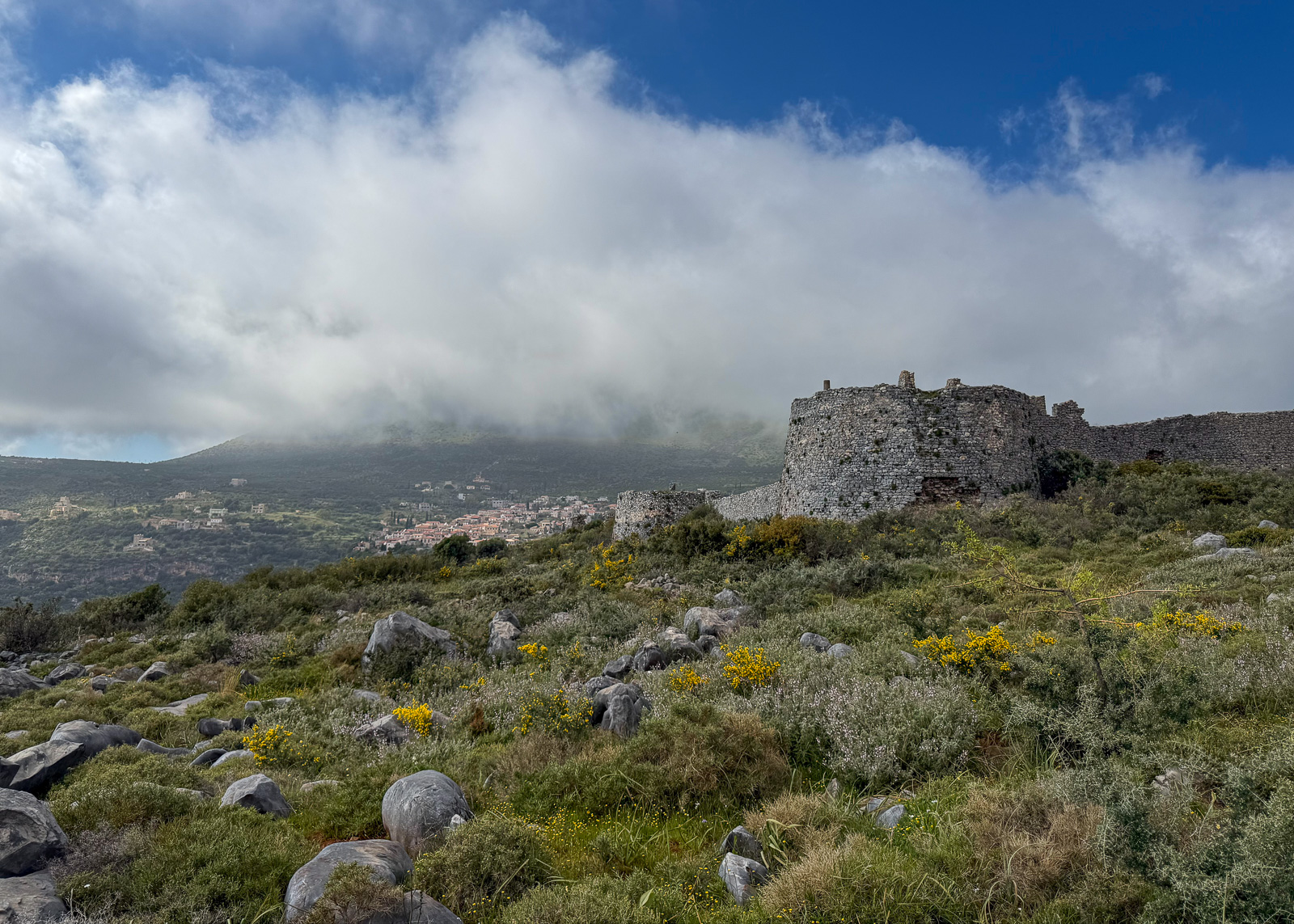
Niokastro (‘New Castle’) was built by the Ottomans in 1573 to control the entrance to Navarino Bay, a strategically important harbour throughout Greek history.
Afterward, Mike took us to a scrubby hillside outside town, packed with orchids (see the dedicated section at the end) and other plants.
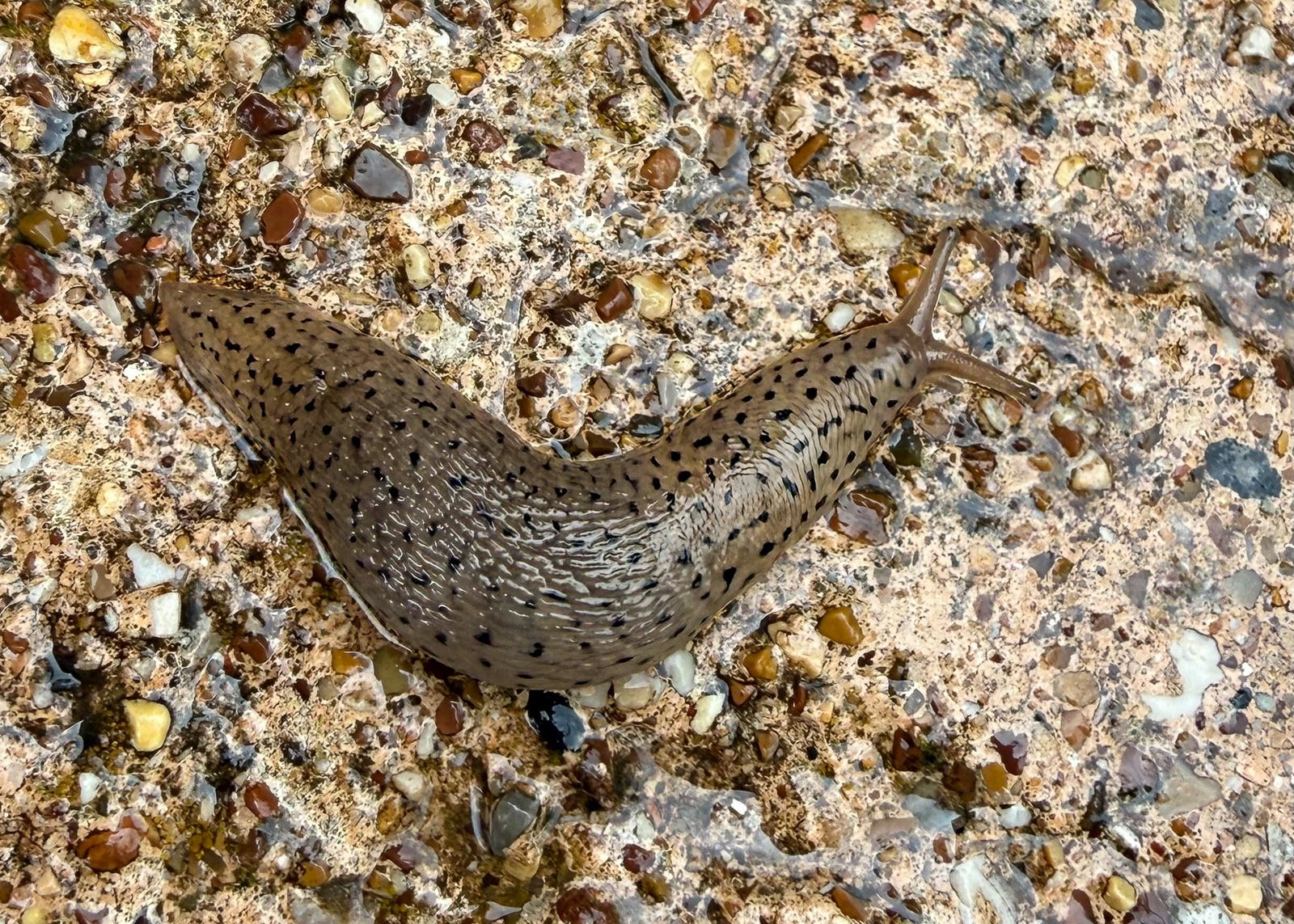
Limax conemenosi
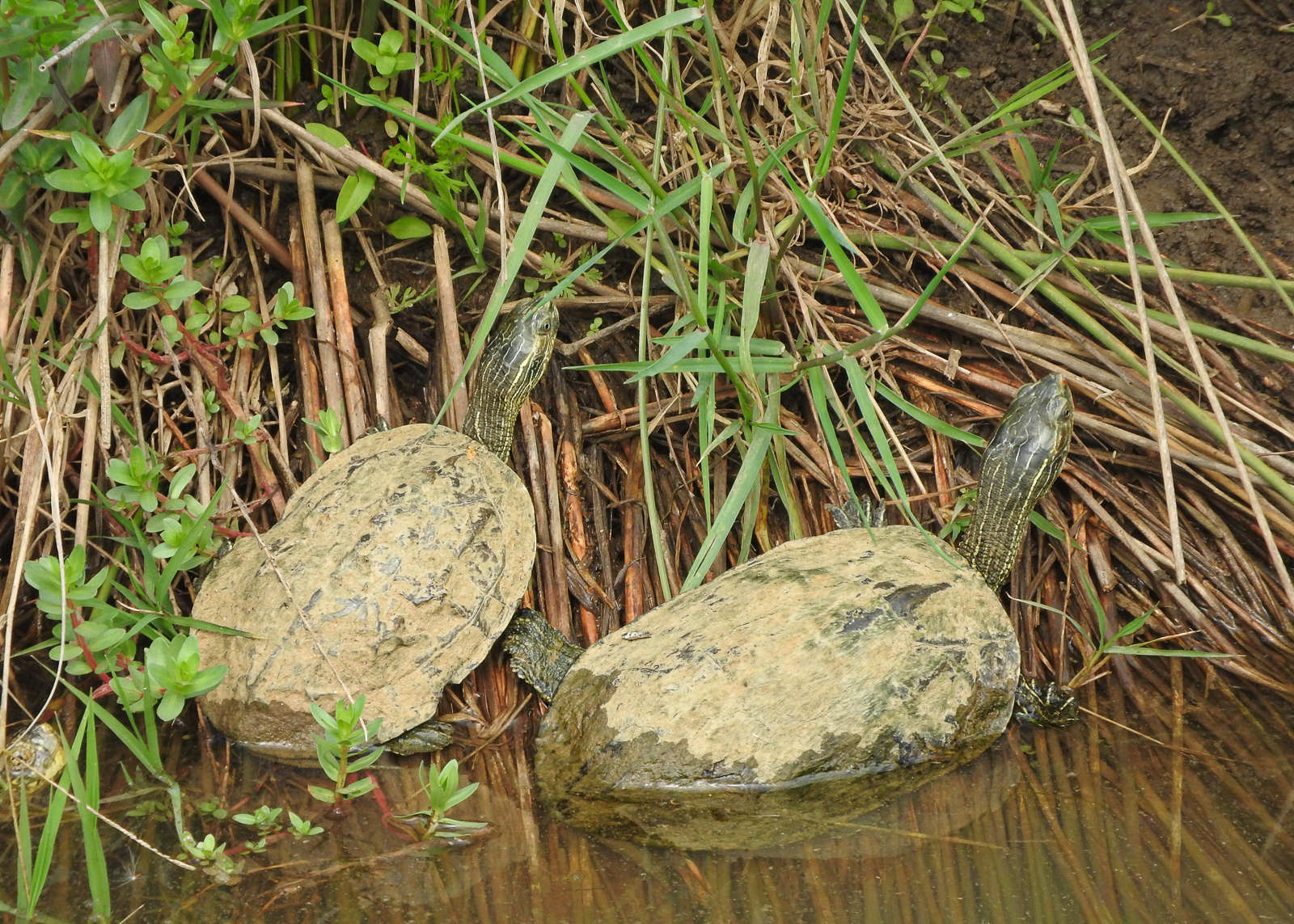
Mauremys rivulata
We had lunch overlooking Methoni Castle, followed by a drive into the Gialova wetlands. There were lots of birds along the tracks, including some striking yellow wagtail species, as well as plenty more plants. Eventually the track got the better of us when Mike got the minibus stuck in the mud and had to reverse back to firmer ground.
4 April – Gialova Lagoon and Kalamaris
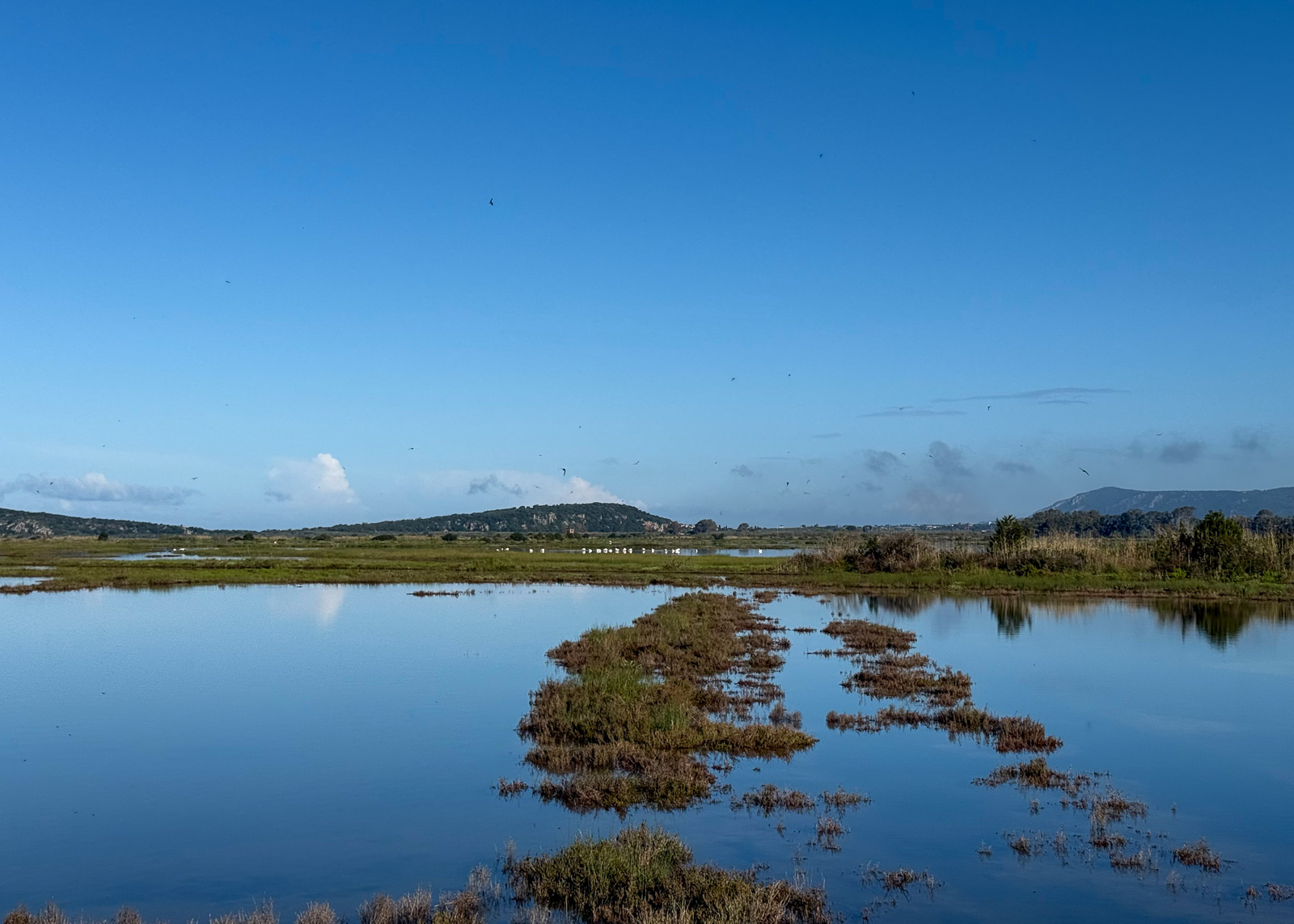
The forecast rain passed overnight, leaving us with a beautiful day at the Gialova Lagoon. We started near an abandoned pig farm overlooking the wetlands, where flamingos took off as we arrived and swifts circled overhead. Walking along the track, we saw Little and Great White Egrets, a couple of Purple Herons, and an exhausted Little Gull resting on the water. I also managed to find a Squacco Heron tucked against some stones.
We then moved on to the lagoon side, driving part of the way before parking and continuing on foot to avoid deep puddles in the track. Mike found us some tree frogs, and we also saw a Cleopatra butterfly.
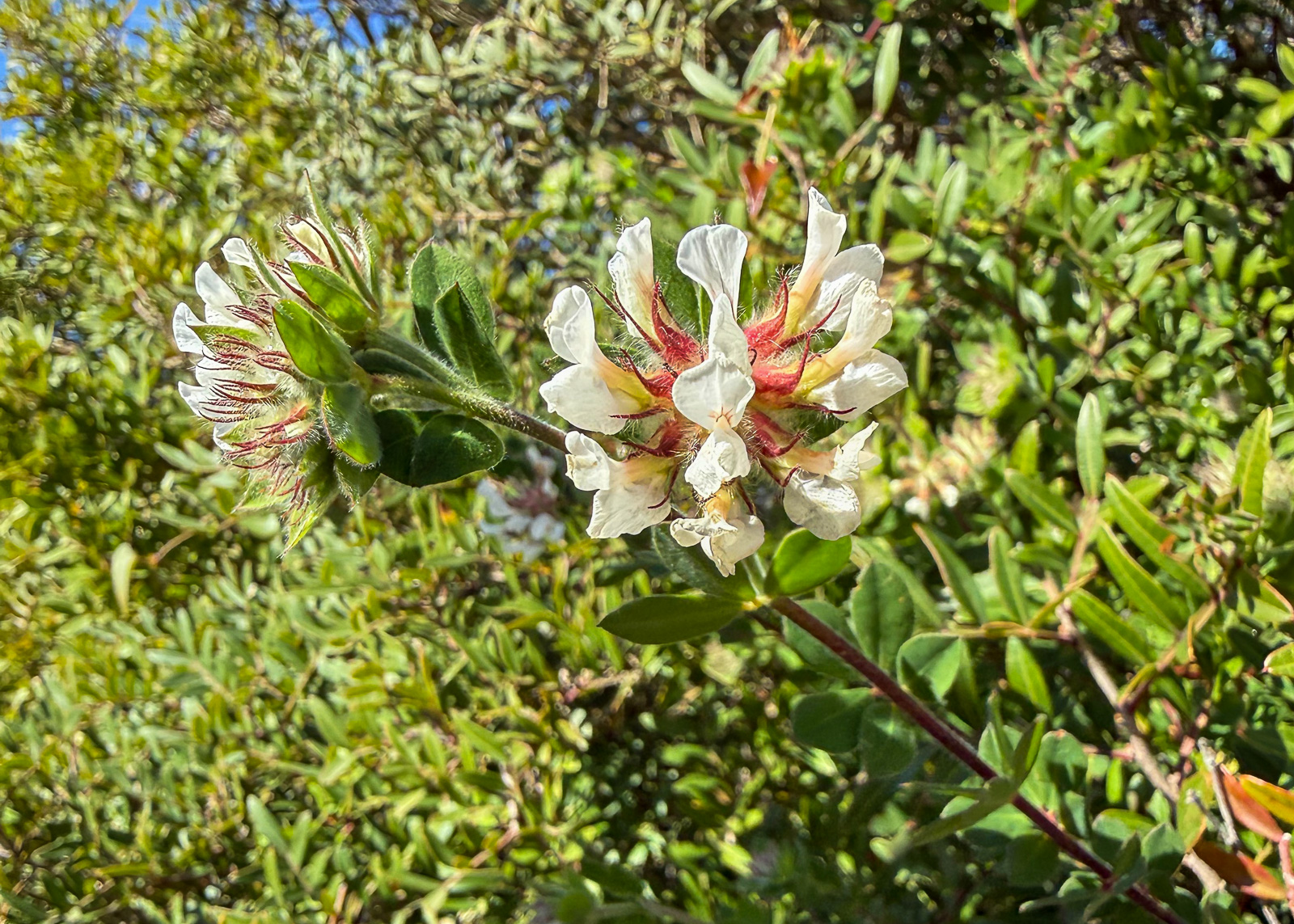
Lotus hirsutus
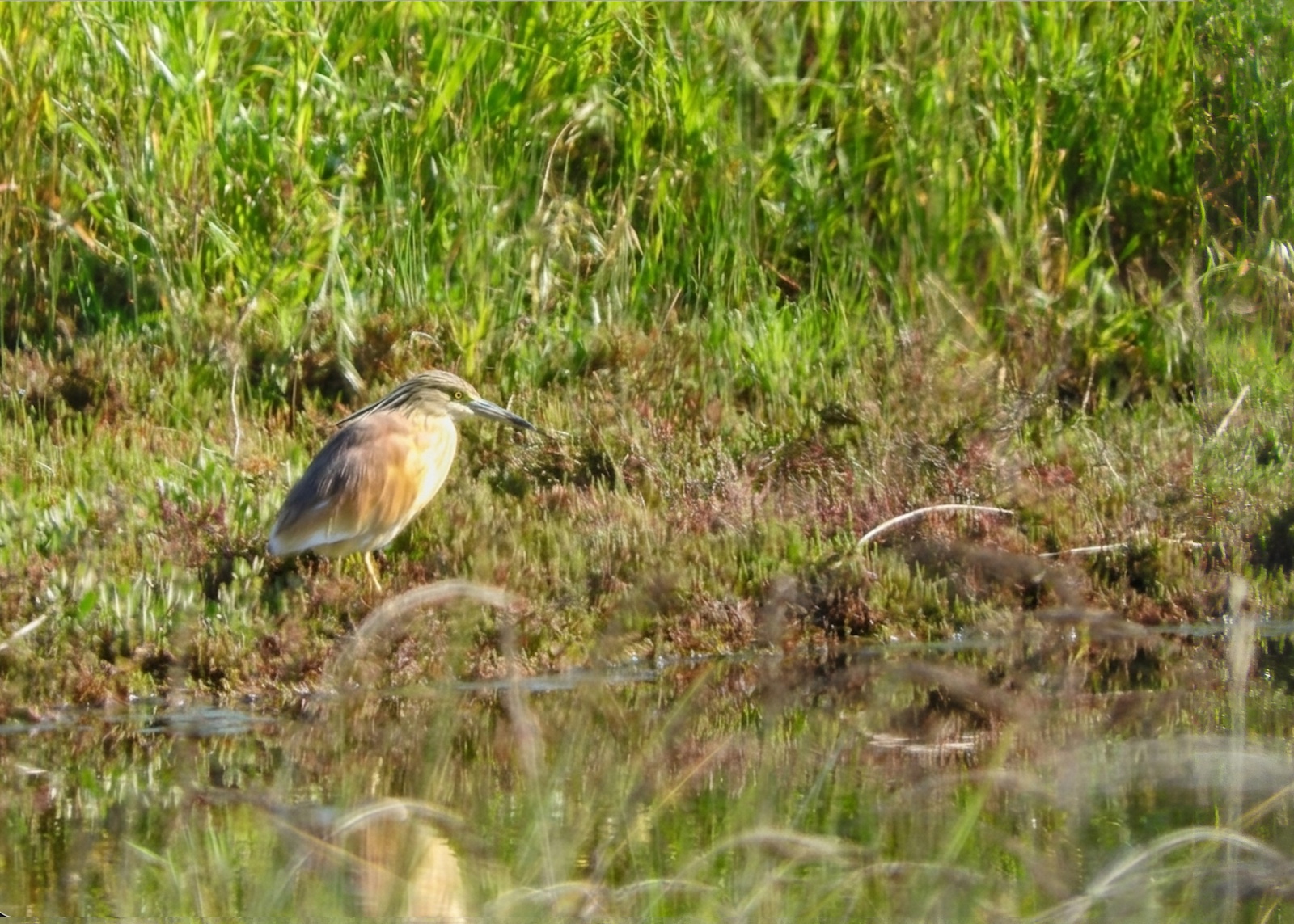
Ardeola ralloides
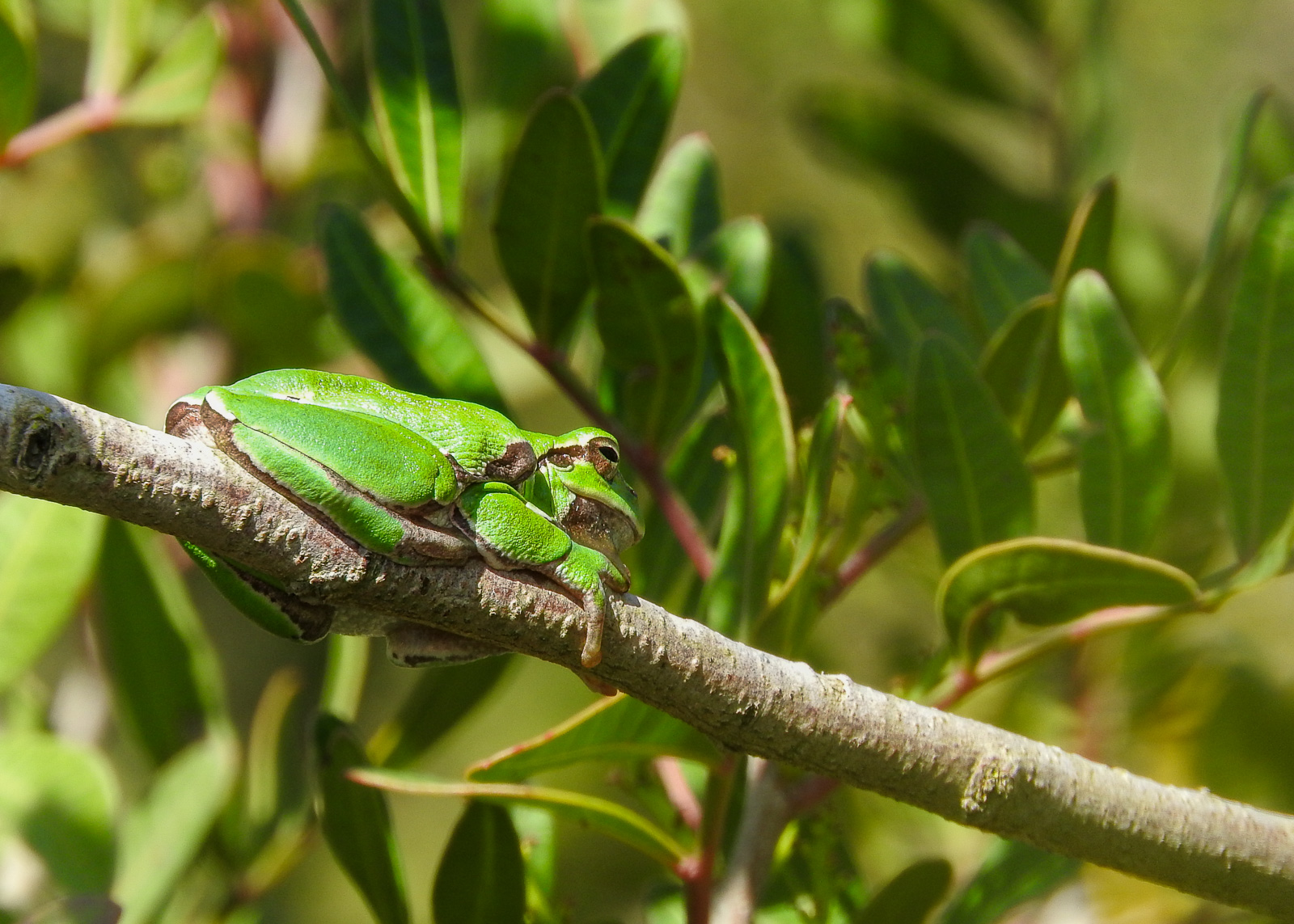
Hyla arborea
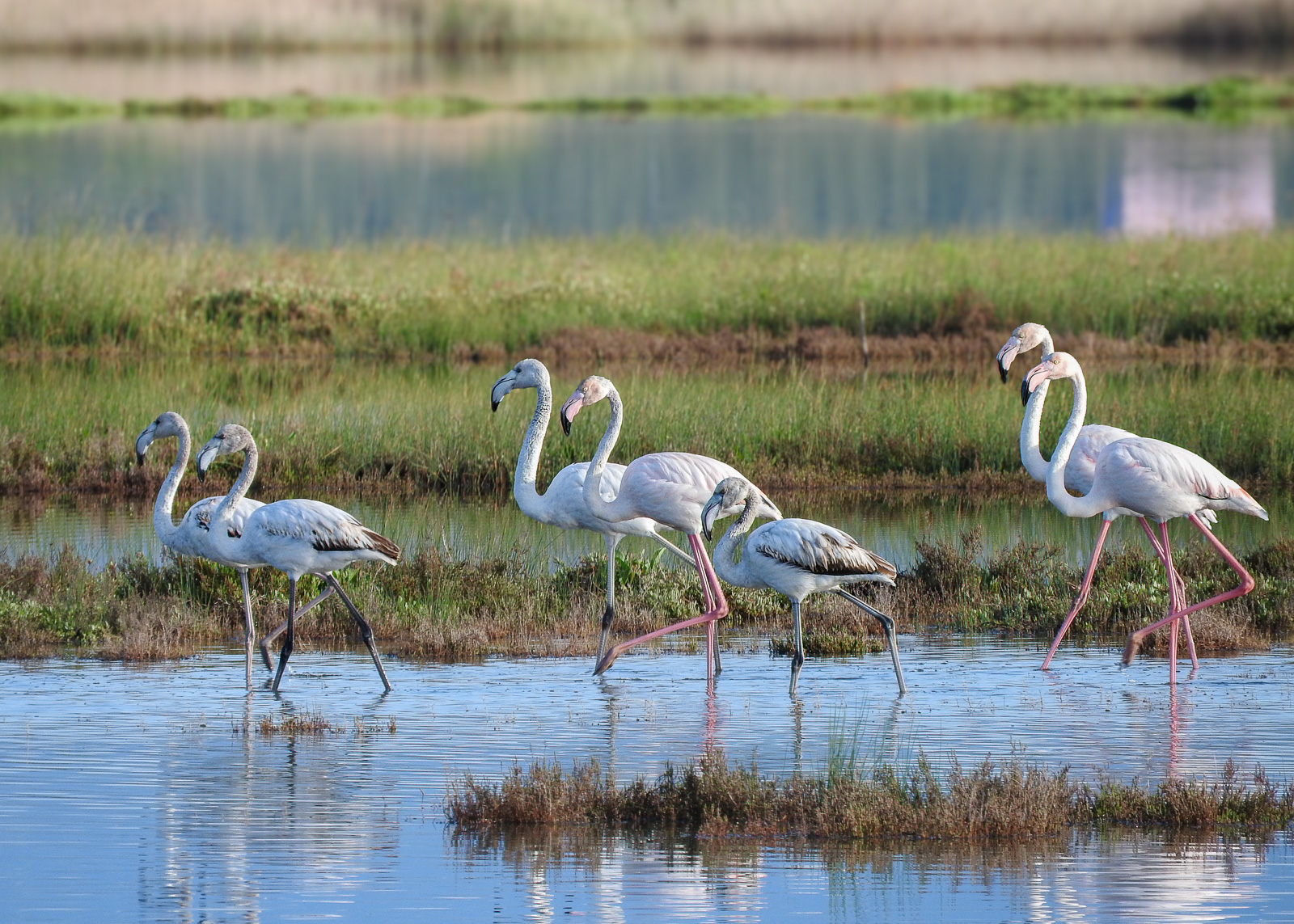
Phoenicopterus roseus
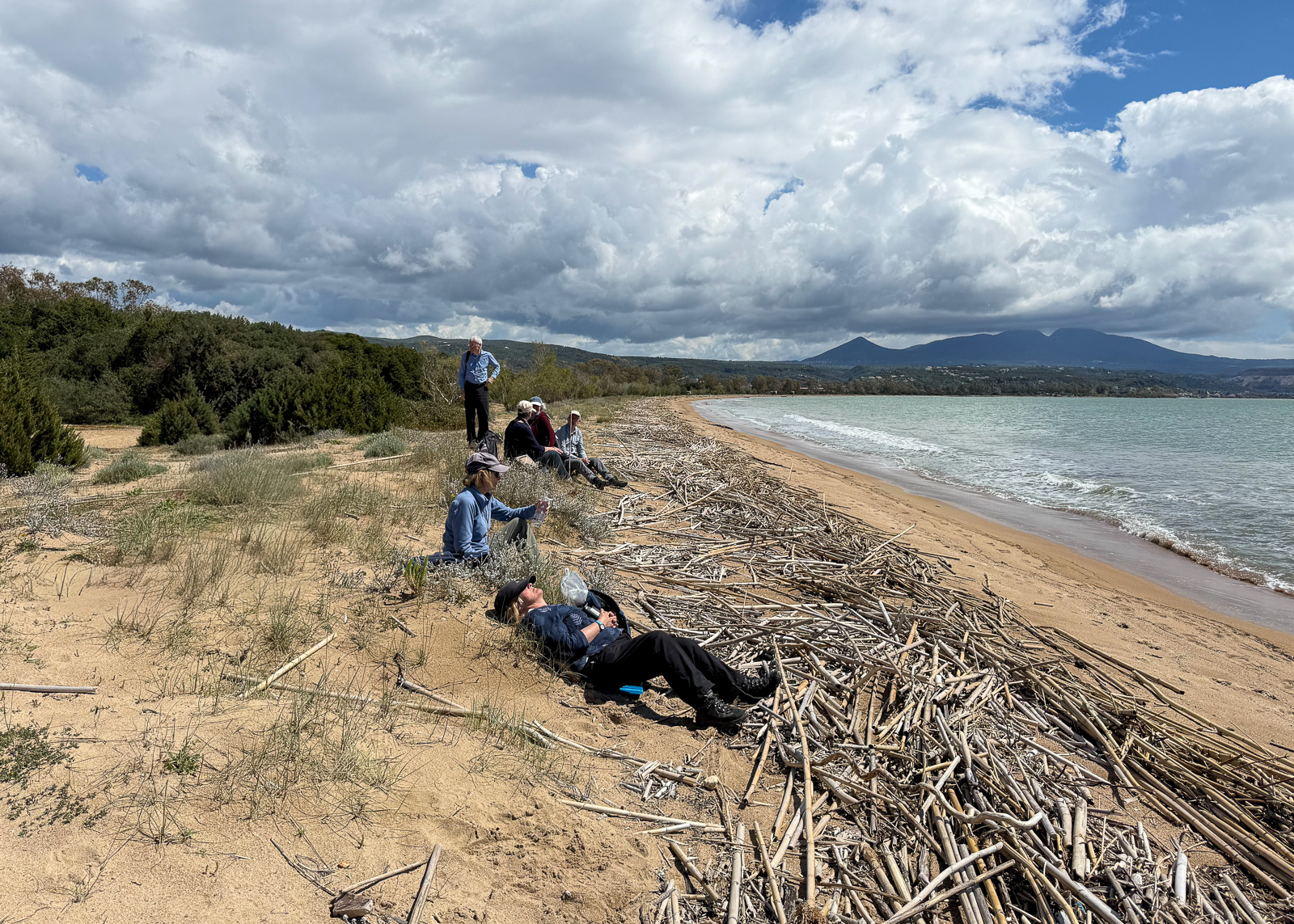
After lunch on the beach, we headed for the Kalamaris Waterfall. We had a nice walk down to the stream, with plenty of plants including some ferns. As Mike had suspected, the bridge we needed to cross had been washed out and had not yet been repaired, so this was as far as we could go. However, the waterfall was not far away, and Mike was not giving up. He waded across to get photos of the fall.
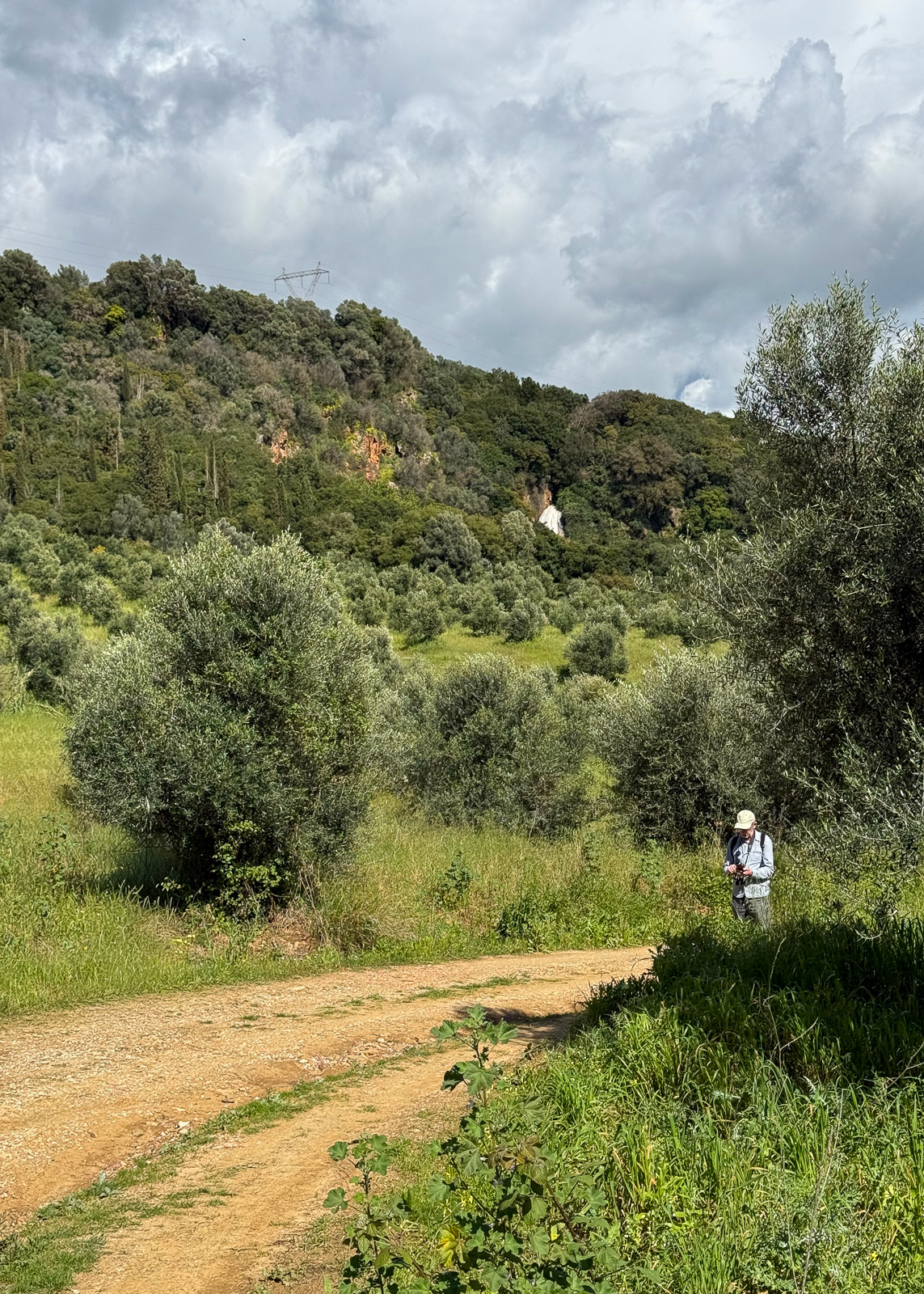
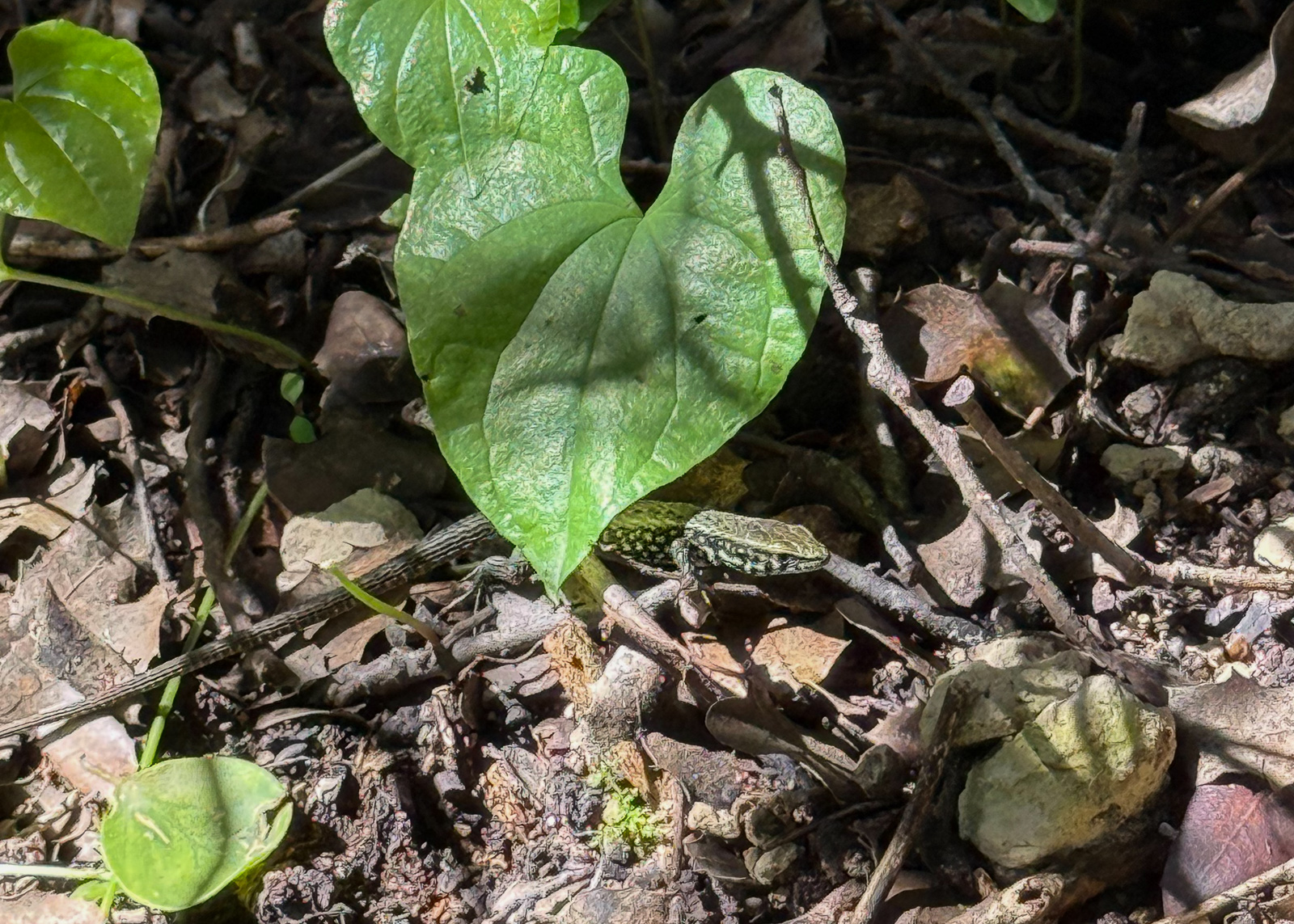
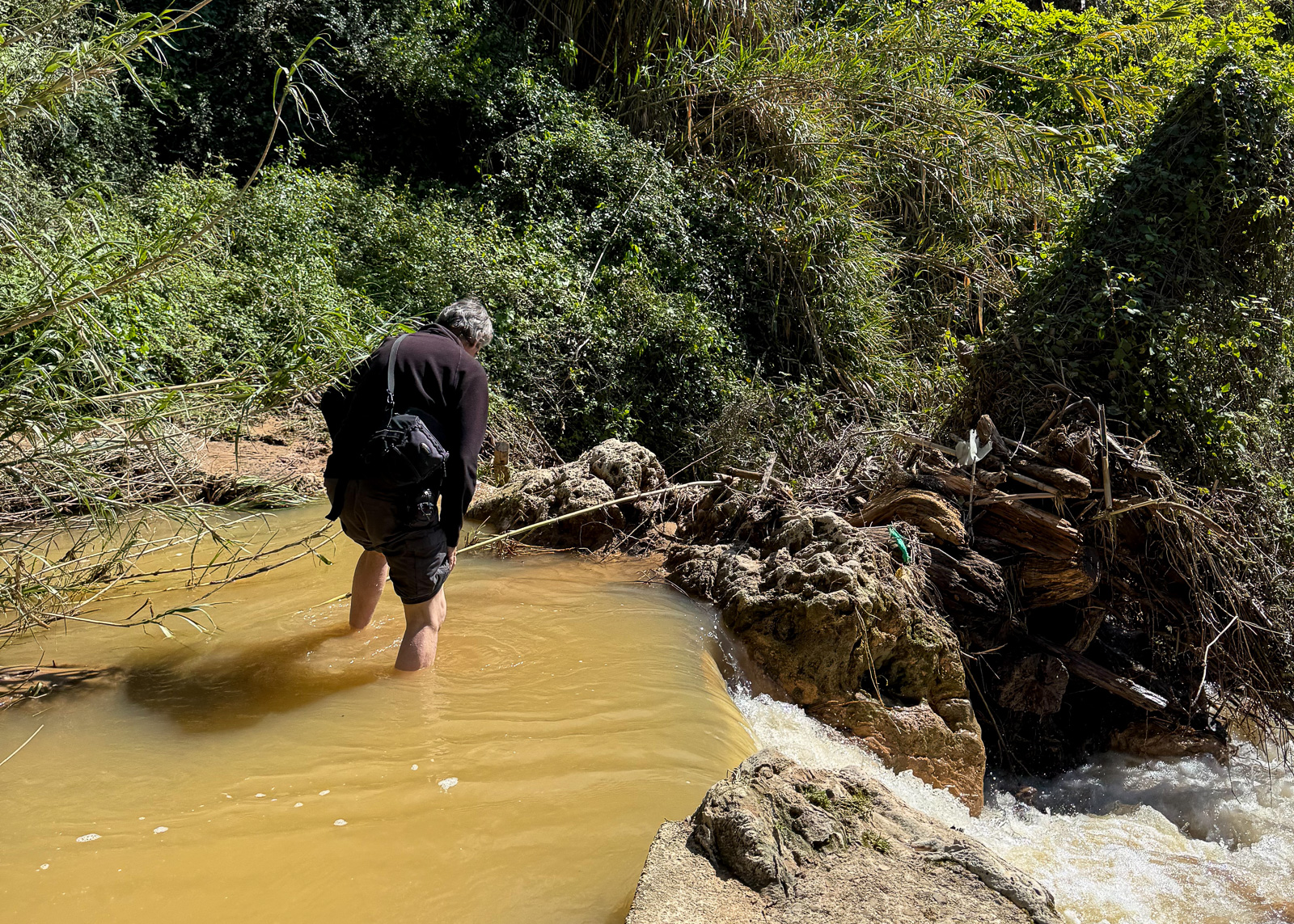
When we returned to the wetlands later, we found that the Little Gull had sadly died. We finished the day after dark, returning to the lagoon track to look for chameleons and listen to the howling of jackals in the distance.
5 April – Across the Taygetos Mountains to Areopoli
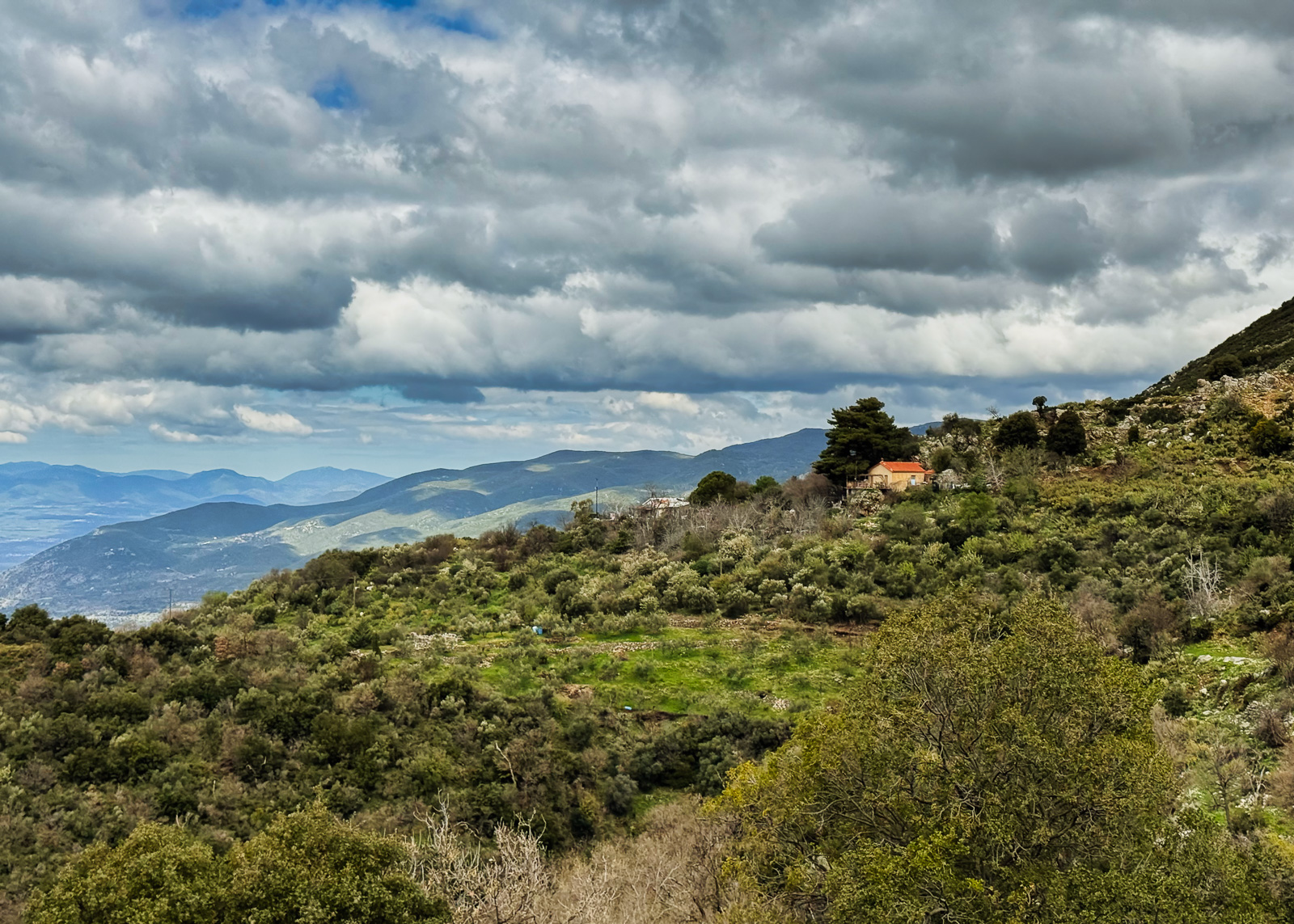
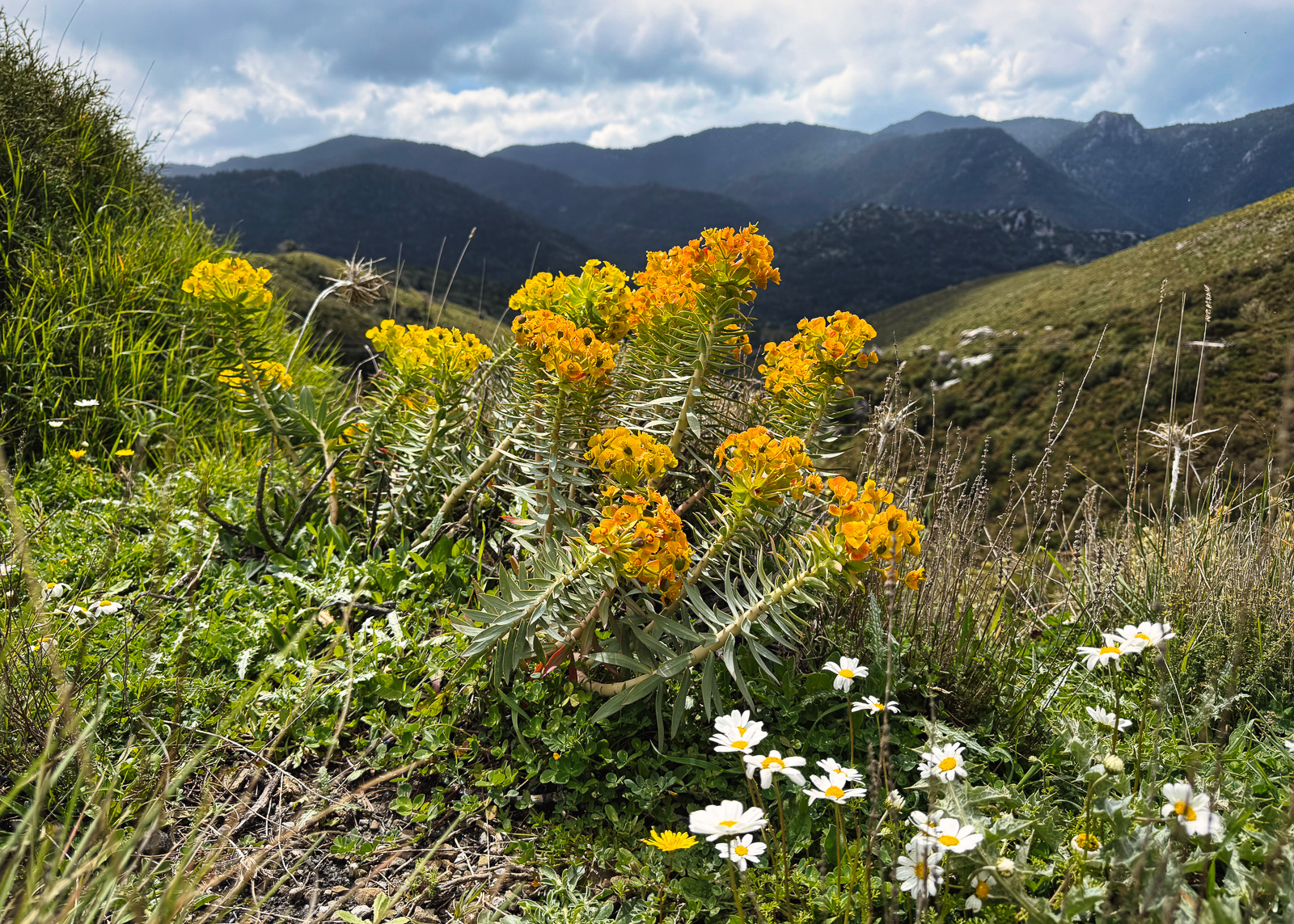
This was a travel day to our second base in Areopoli. We took a small detour up into the mountains behind Kalamata, making several stops along the way. At one place we parked and walked along olive groves full of flowers, and at another we stopped for great views of a couple of Isabelline Wheatears.
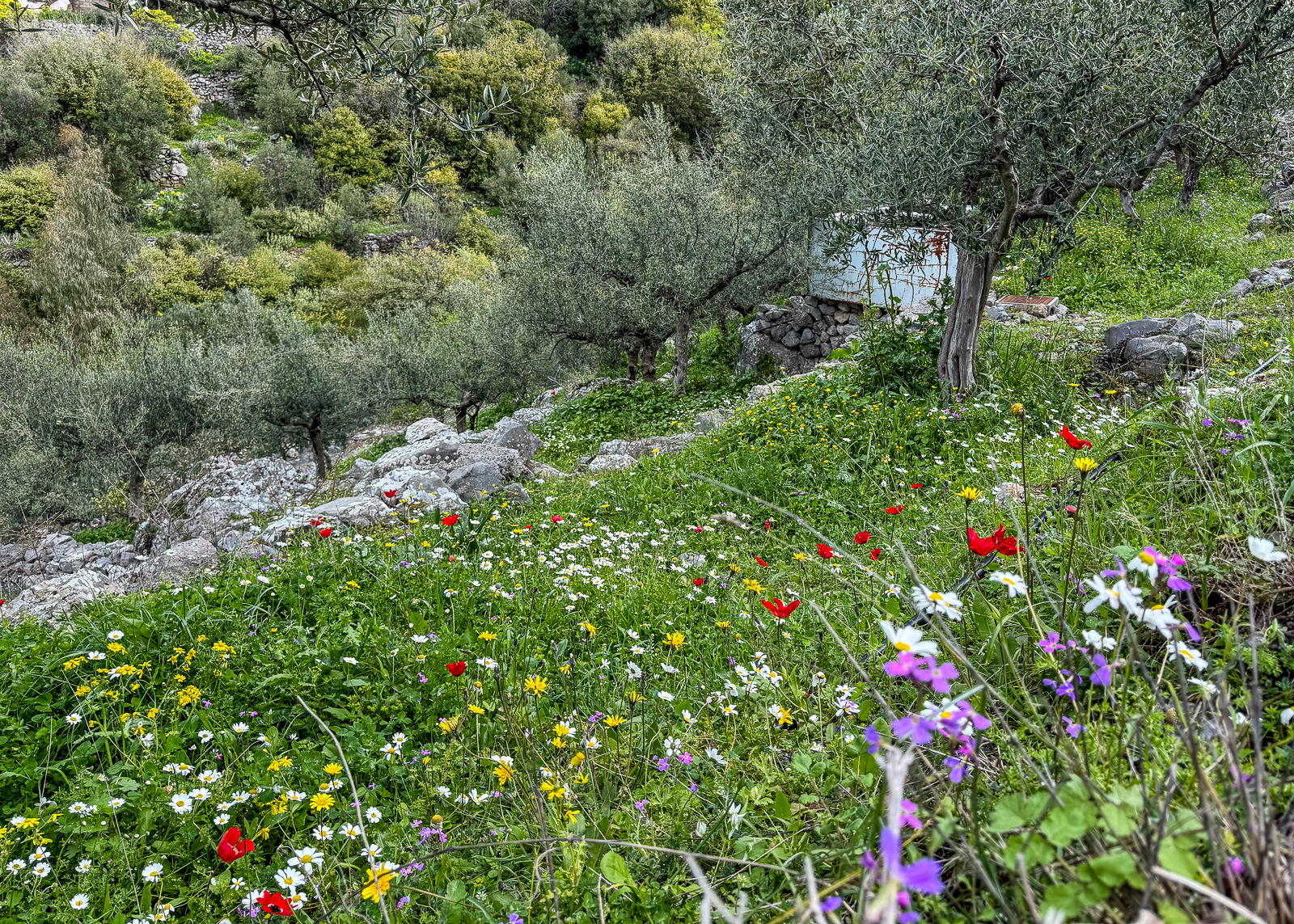
in a traditional olive grove
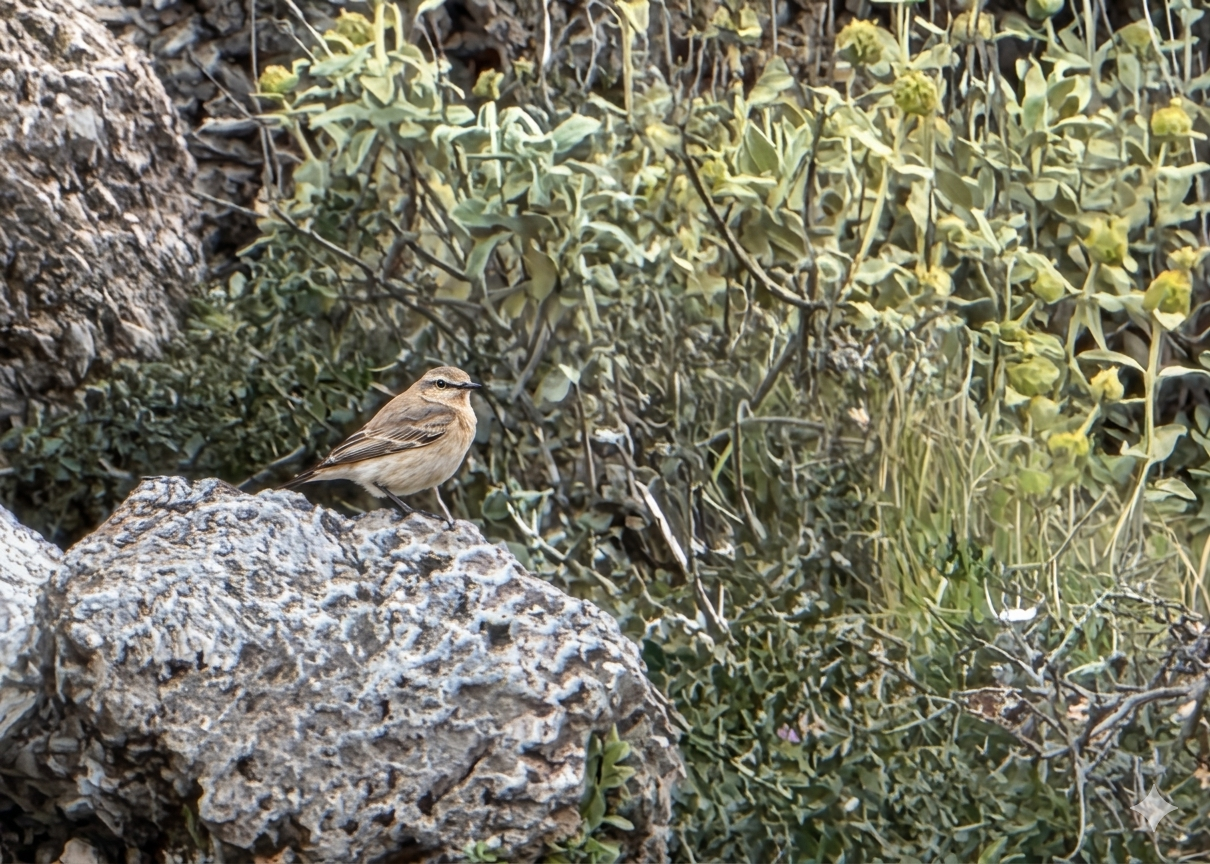
Oenanthe isabellina *
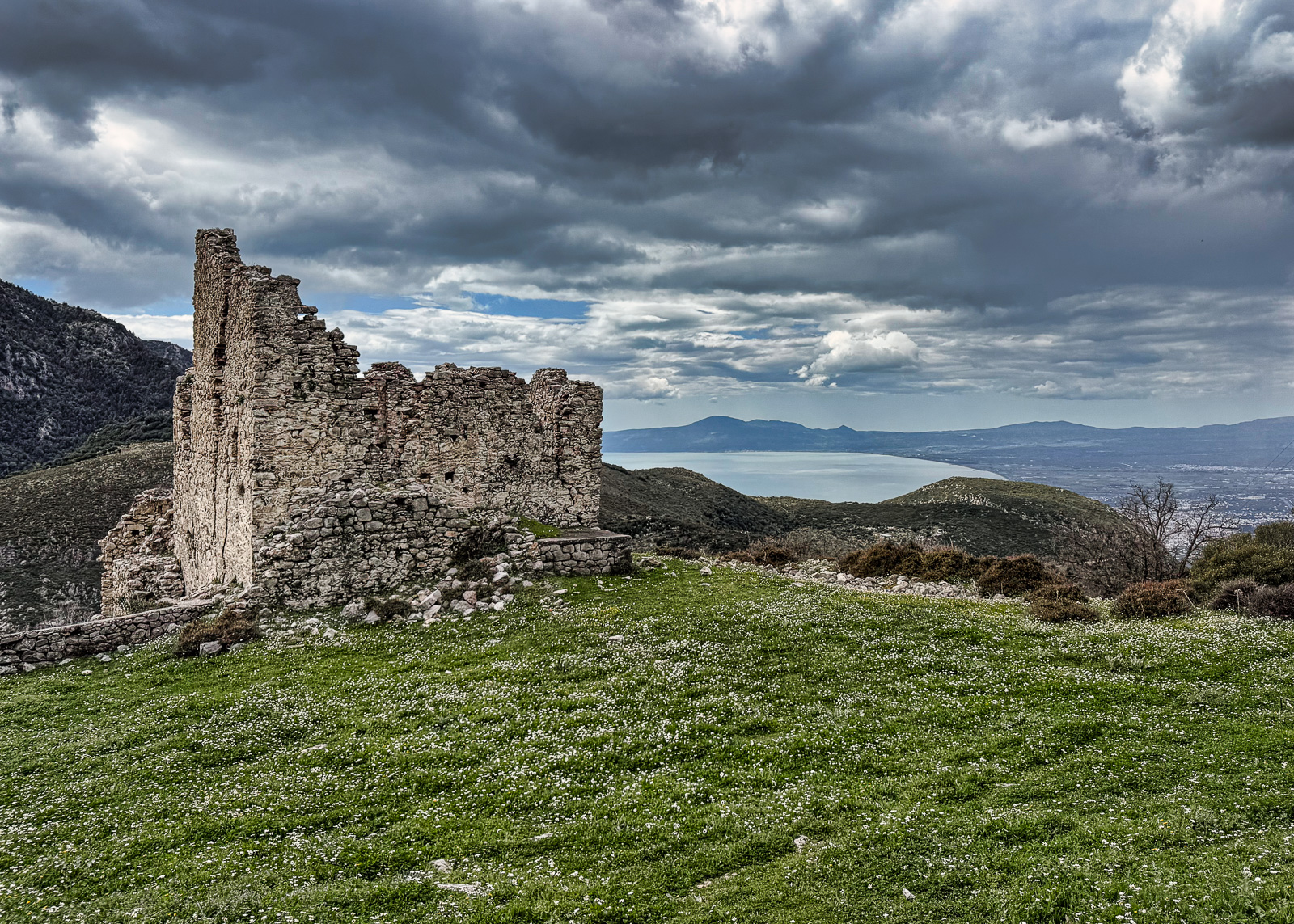
We had lunch sitting on the ruins of Rigas Tower, just below the Dimiovis Monastery, looking down over the valley.
Built in 1717, the Rigas Tower served as a defensive refuge for the nearby Moni Dimiovas, whose monks lived under the constant threat of raids in this remote part of the Taygetos mountains.
After a short wander down to the spring, we set off back down towards Kalamata and continued our journey, with views of distant snow-covered peaks. After a coffee break, we finally reached Areopoli and the Ktima Karageorgou guesthouse. The rooms were large and very comfortable.
6 April – The Deep Mani: Cape Tainaron and Vathia
After my chilly pre-breakfast walk, the group spent some time photographing the Grüner’s Orange-tip butterfly that one of my fellow travellers had found earlier.
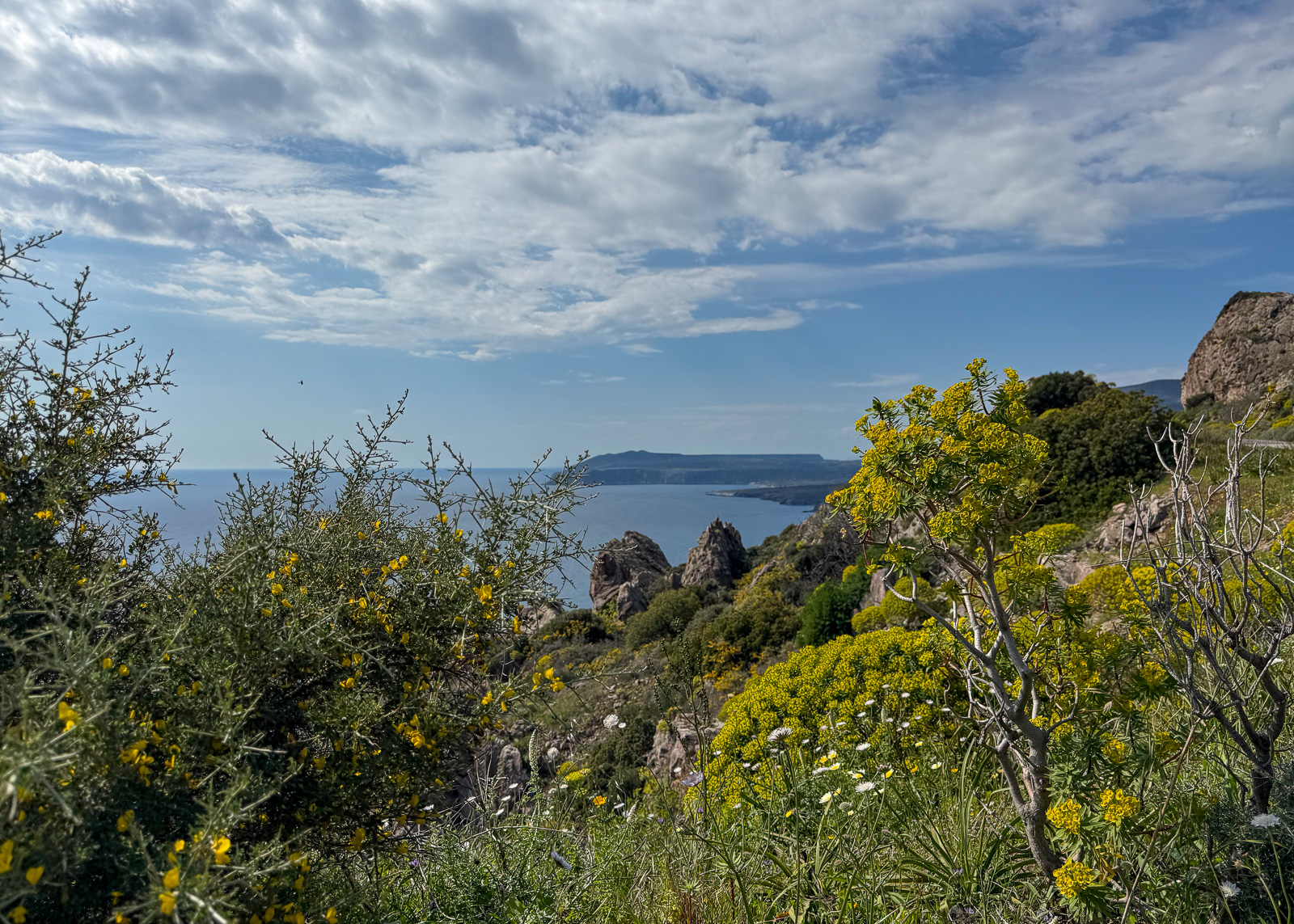
Our main goal for the morning was the Cape Tainaron Lighthouse, at the southernmost point of mainland Greece. The drive down was slow, with plenty of stops for birds including Eastern Orphean and Rüppell’s Warblers. We parked by Porto Sternes beach and set off on the walk out to the lighthouse. On the way we passed a well-preserved 1st-century AD Roman floor mosaic, often called the Star of Aria, where we also saw several lizards. It was a long walk and quite uneven underfoot, so only a few of us made it all the way to the lighthouse.
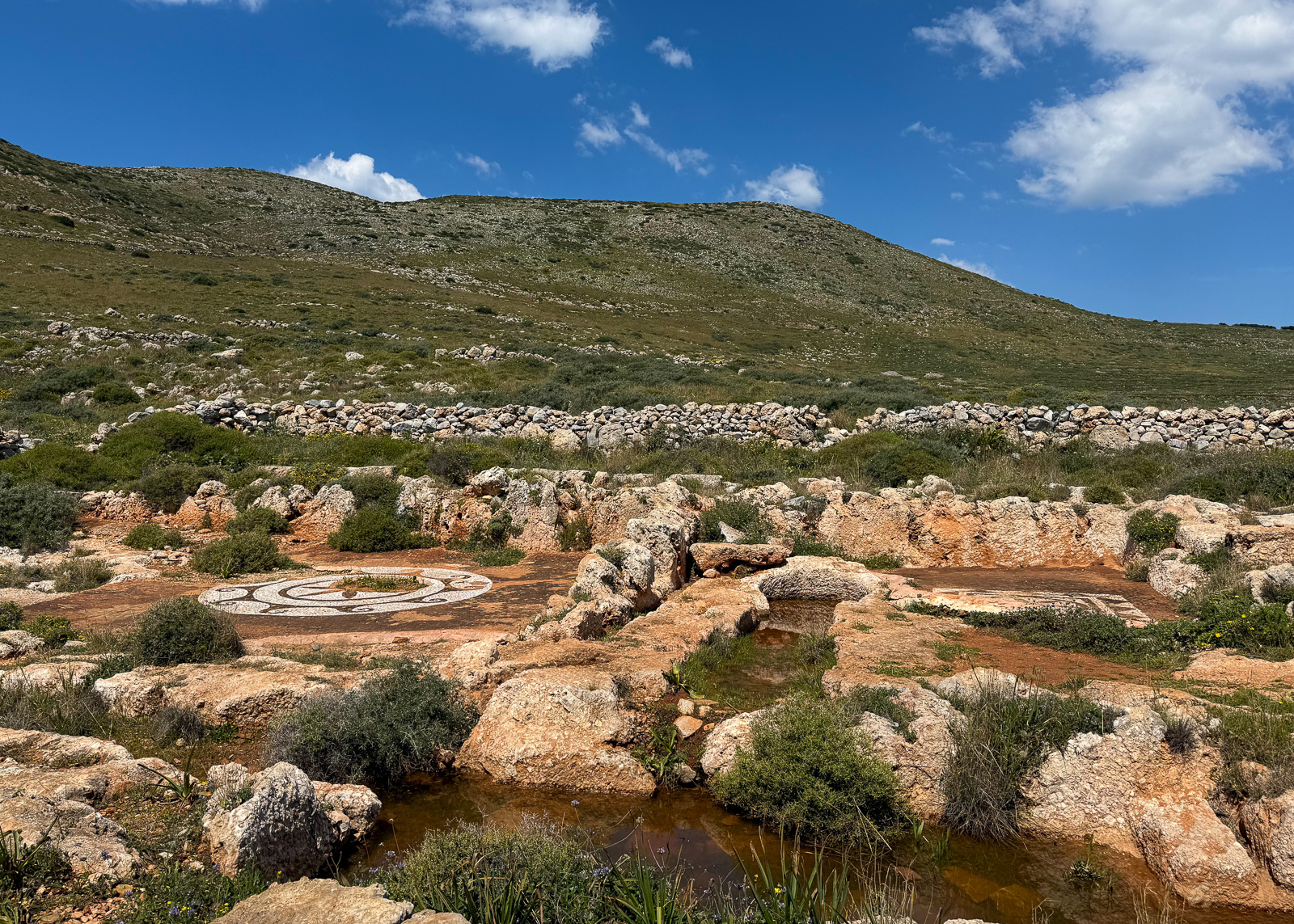
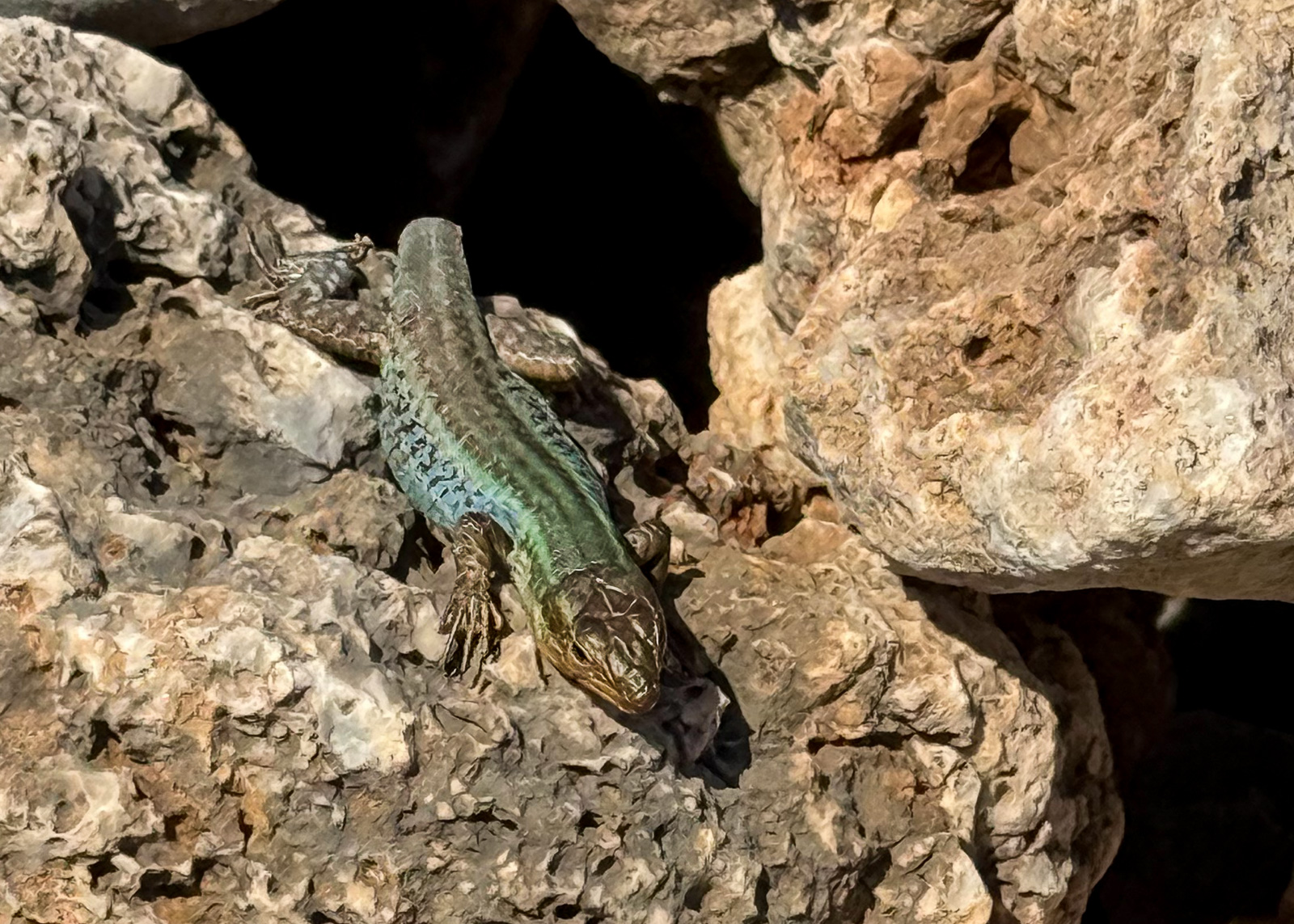
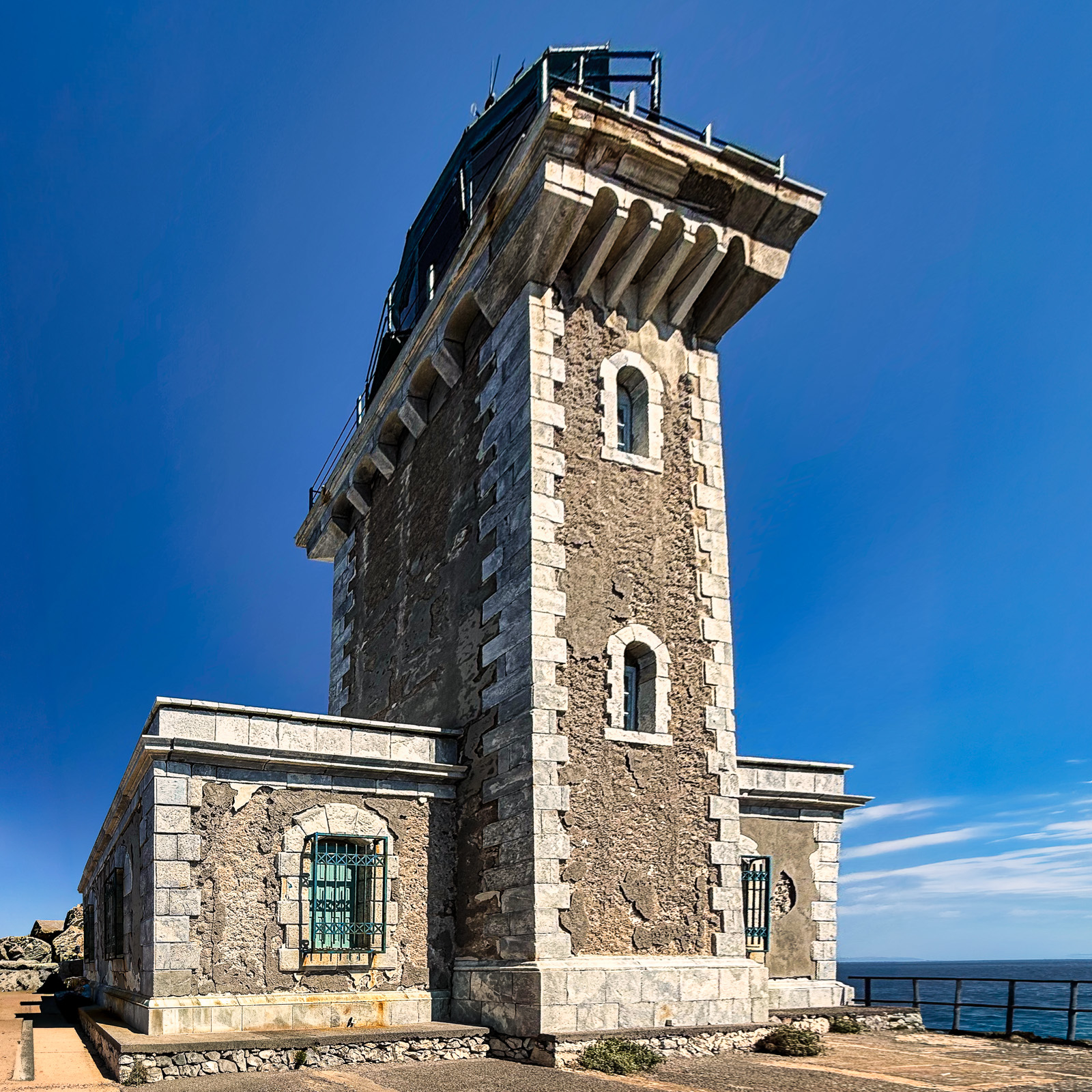
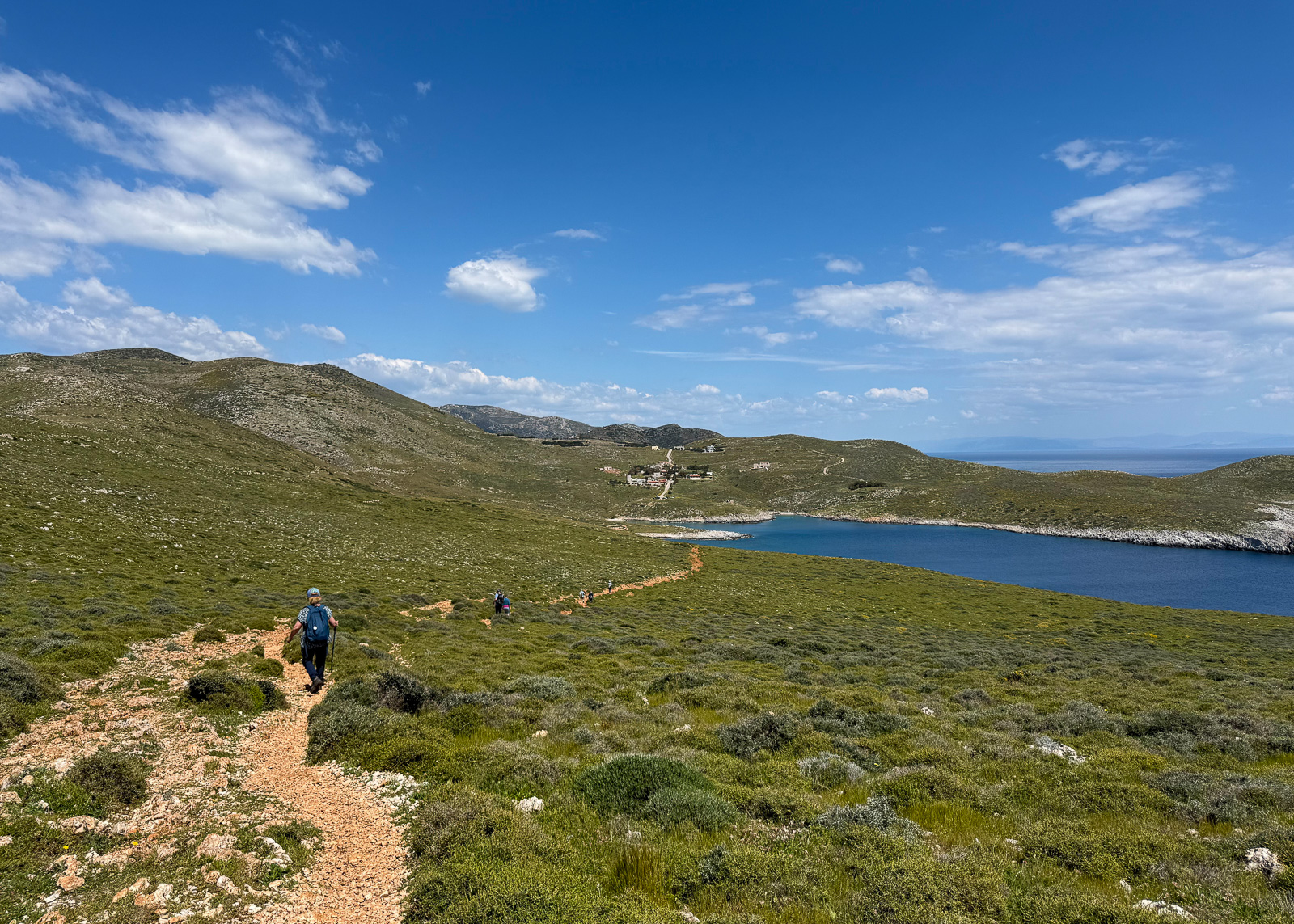
In ancient Greece, Cape Tainaron was believed to be one of the entrances to the underworld, associated with myths of Hades and Heracles.
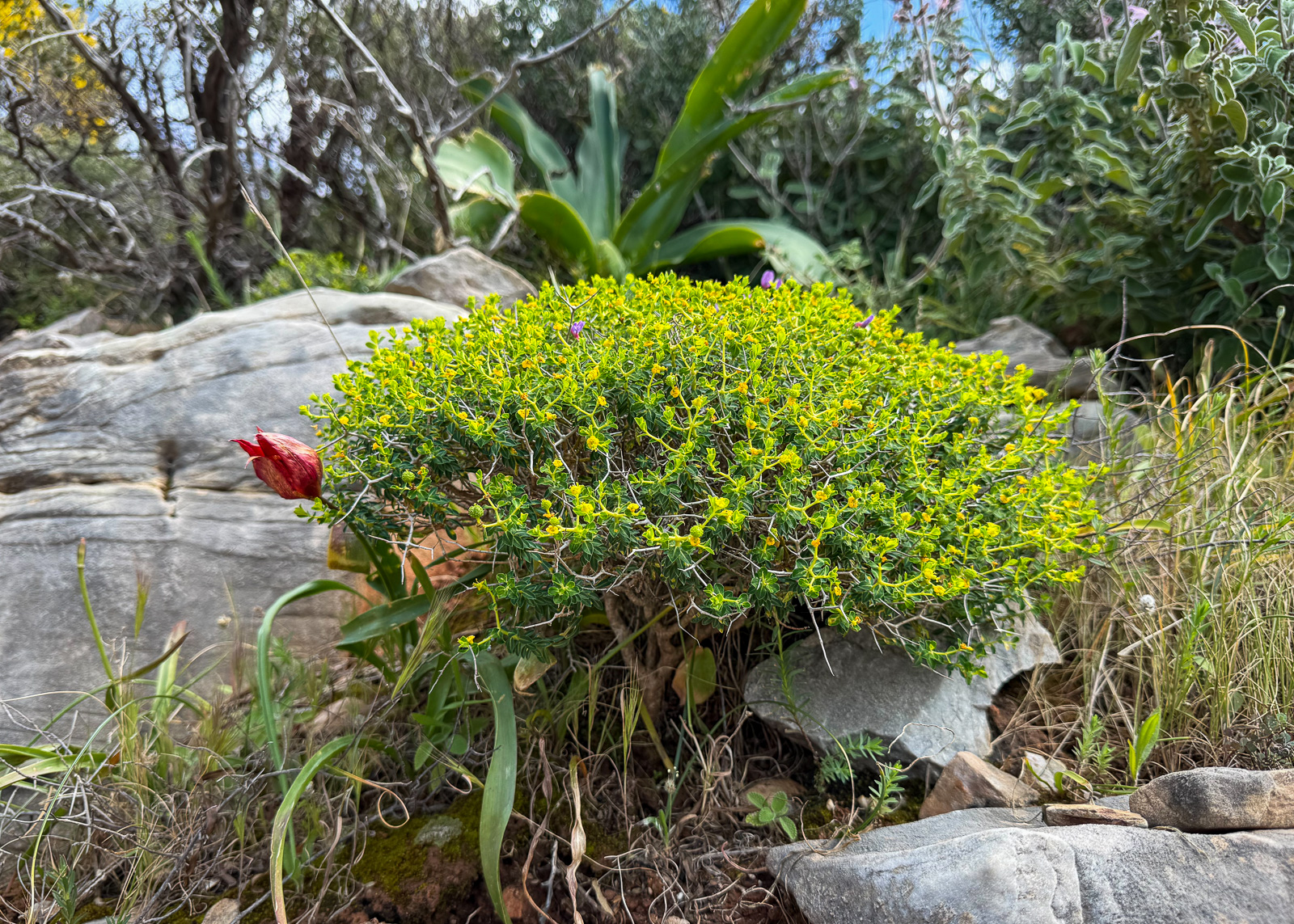
After lunch on the beach, we went in search of tulips and orchids. The tulips were mostly over, apart from a couple, and most of the orchids we were hoping to see had also gone over.
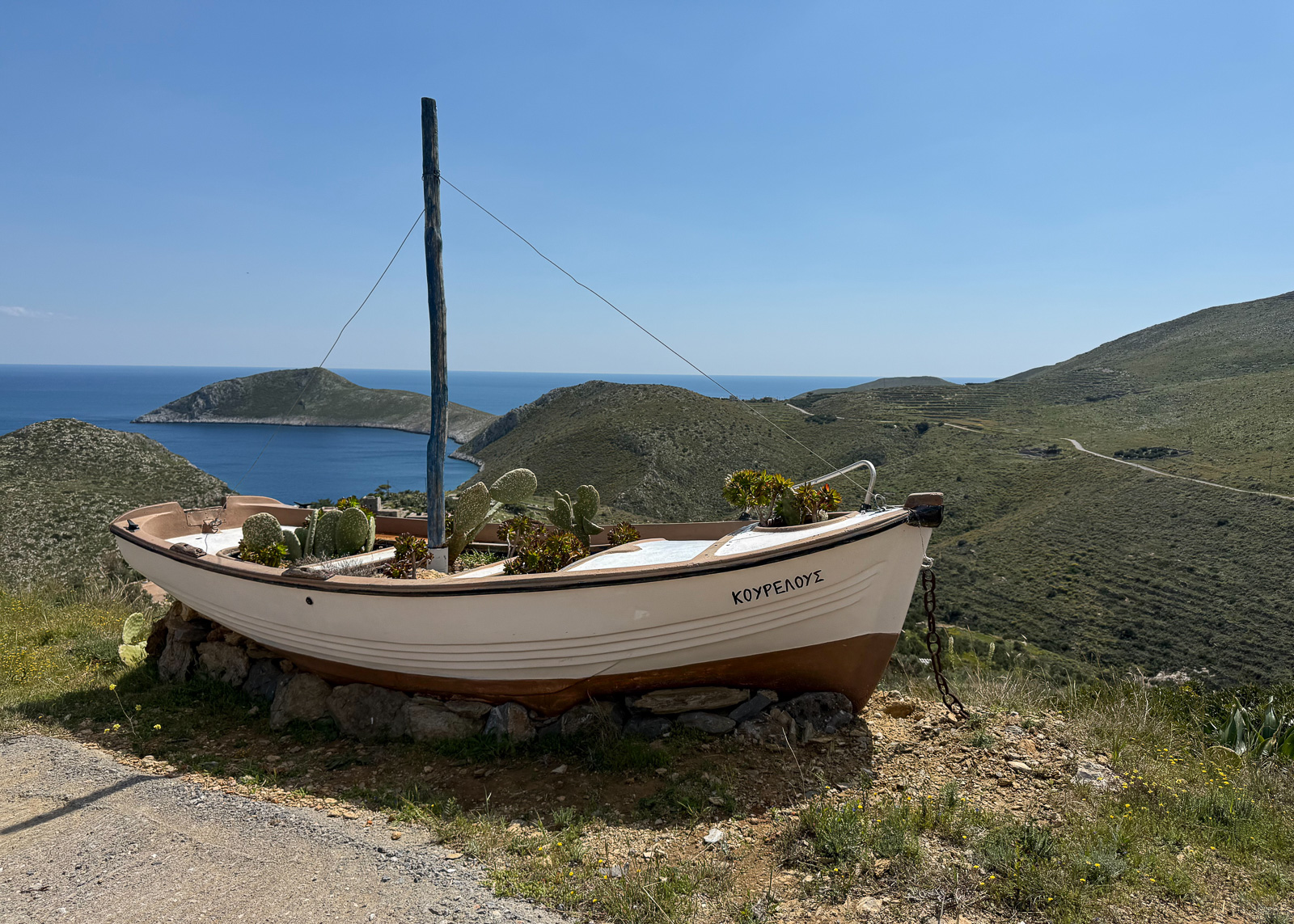
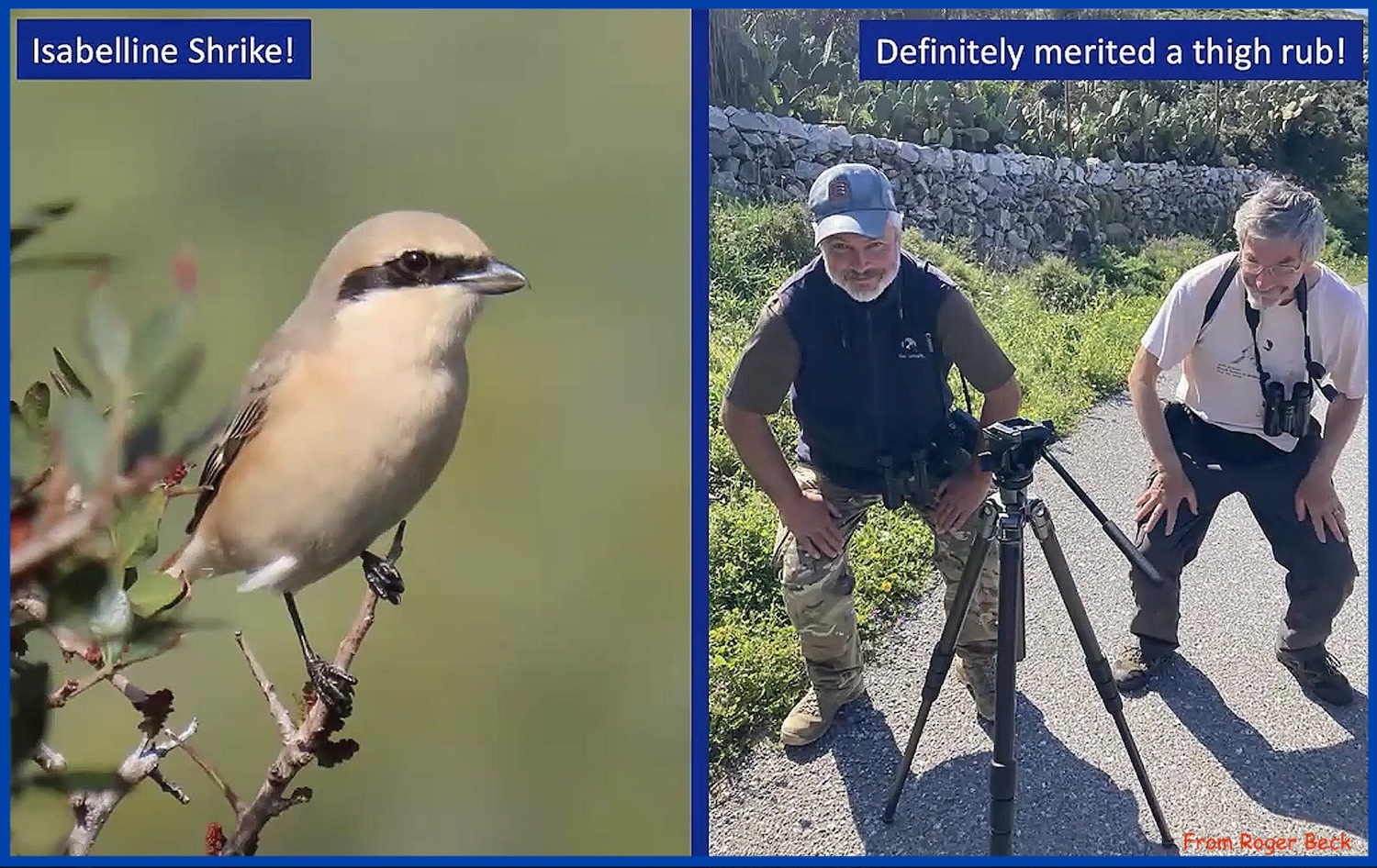
We had been promised time to explore the abandoned village of Vathia that afternoon. On the way there we were waylaid by a shrike sitting on a wire. There was much excitement when it turned out to be an Isabelline Shrike, an unusual sighting for the area.
Vathia, located on a hillside overlooking the sea, was an interesting place to explore, with its narrow paths through mostly ruined buildings and flowers everywhere.
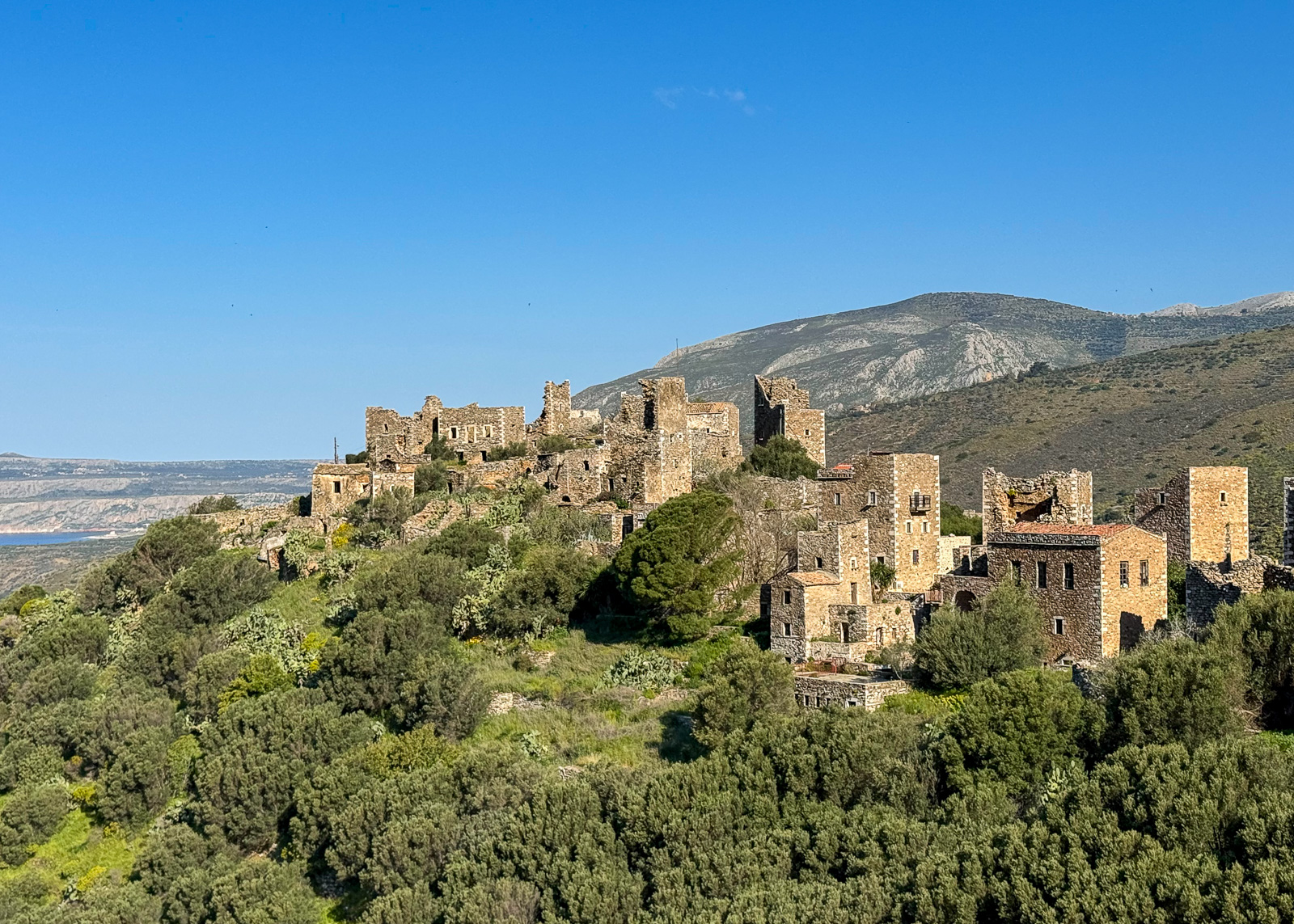
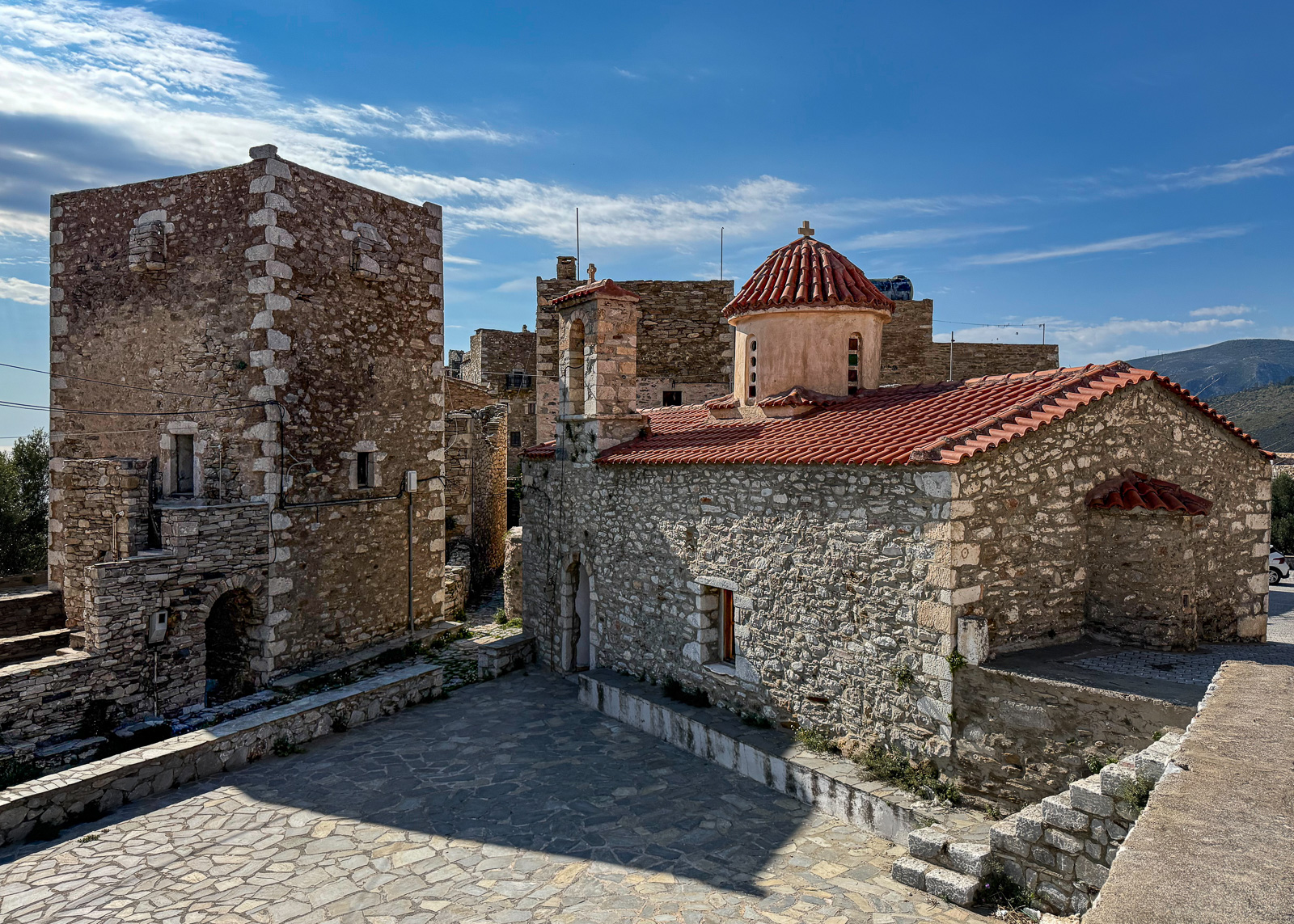
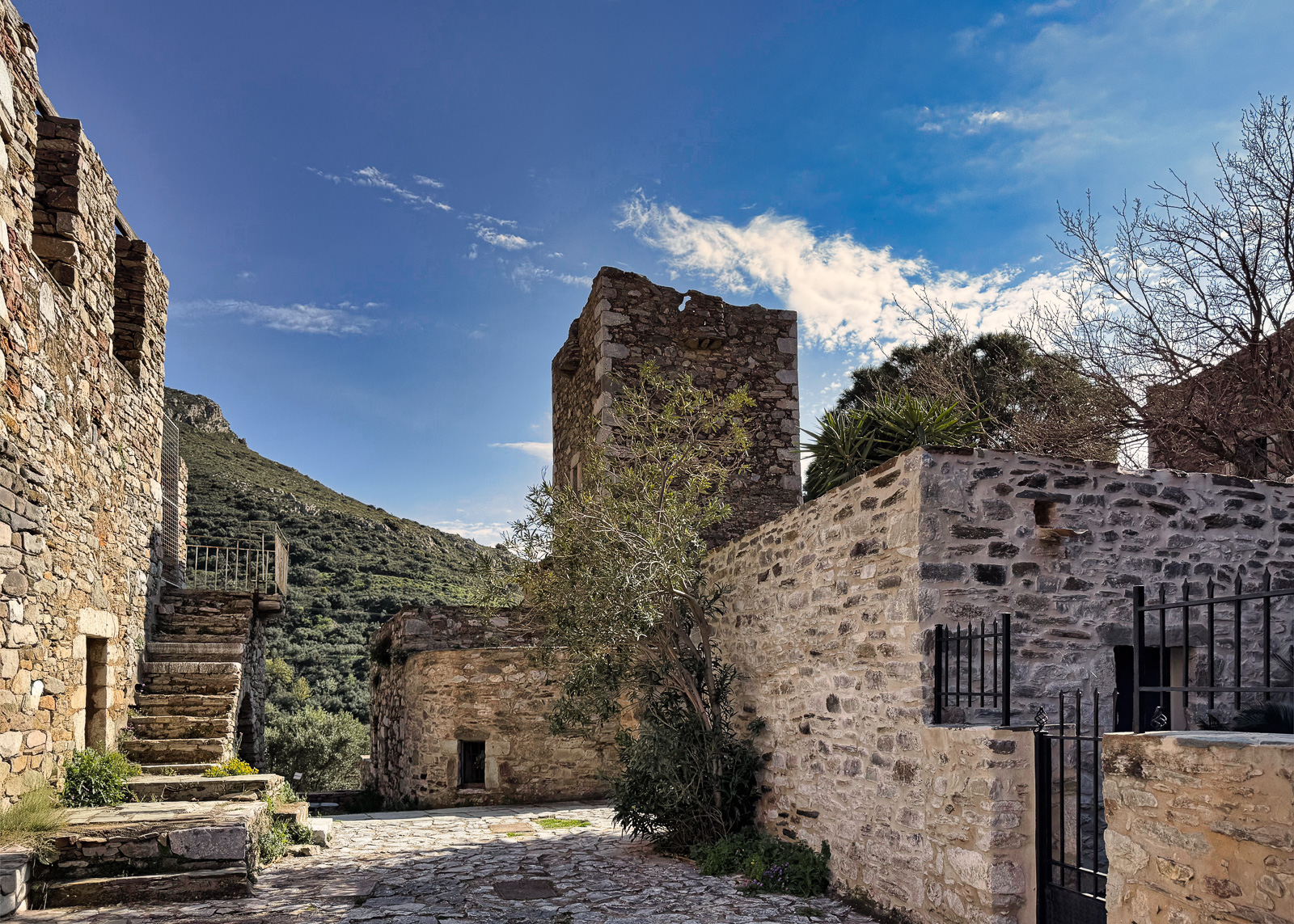
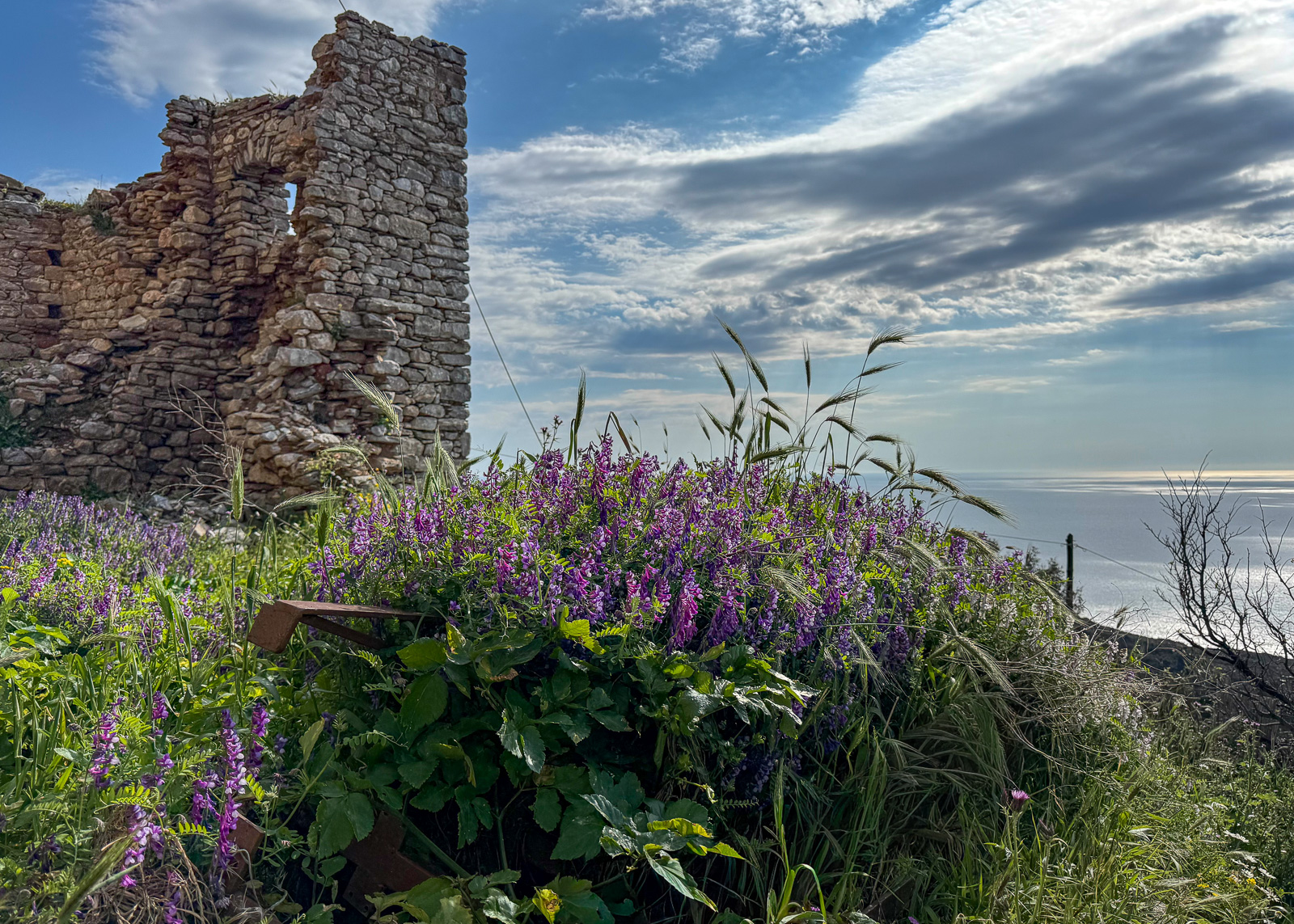
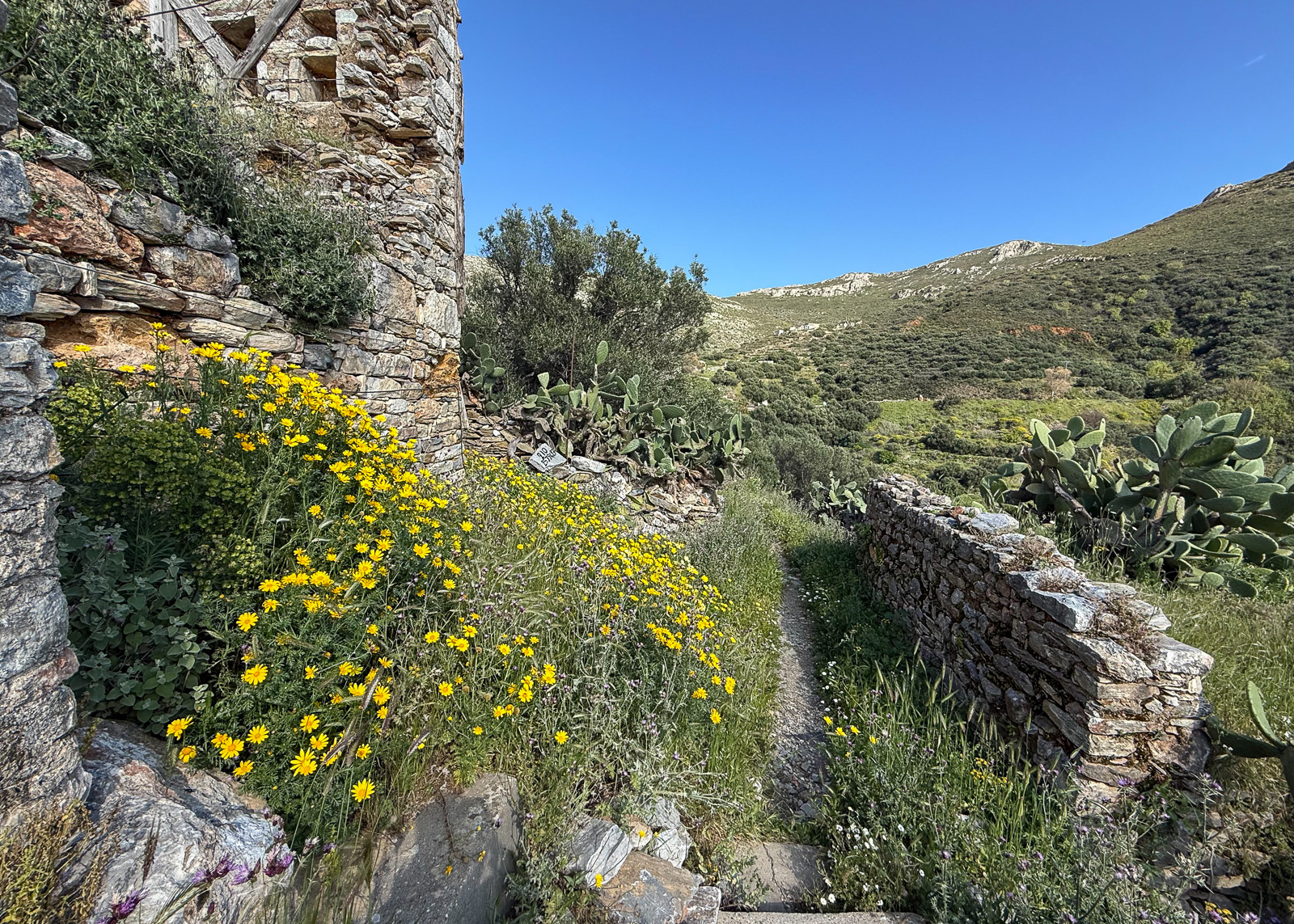
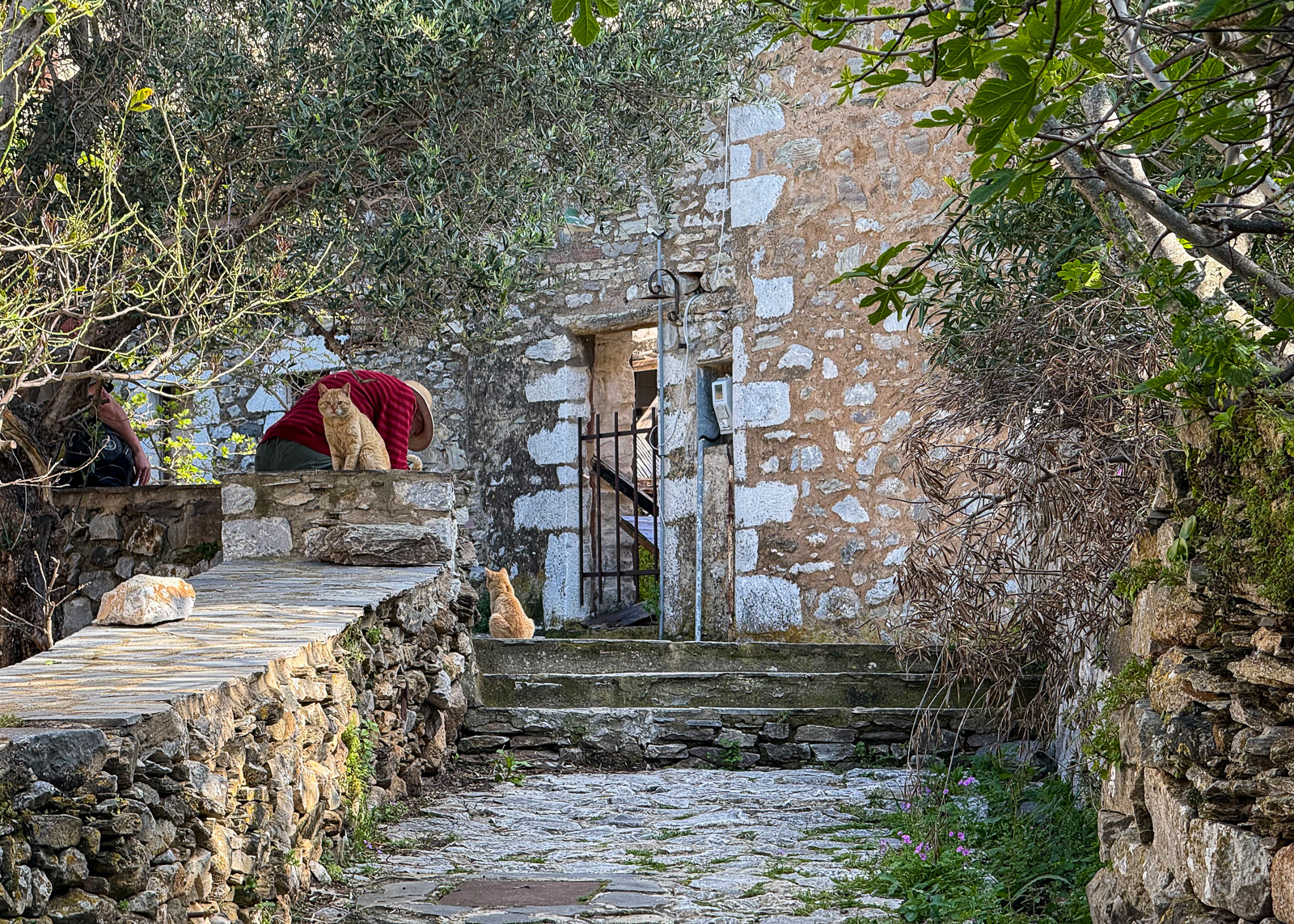
Vathia flourished in the 18th and 19th centuries, its distinctive tower houses built by local clans for defence during periods of conflict and piracy.
7 April – Eastern Mani
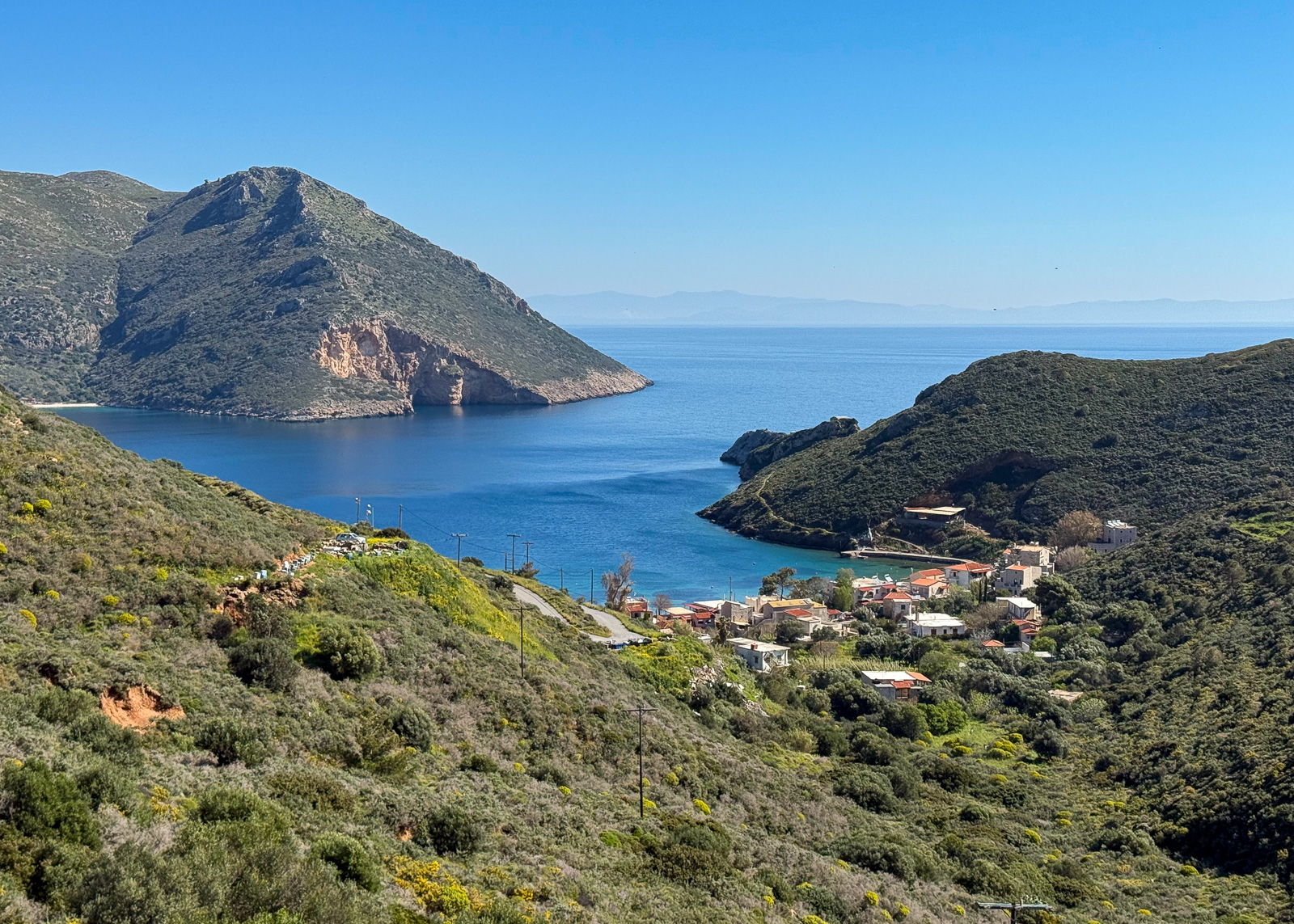
We spent the day on a round trip down the eastern side of the peninsula, stopping frequently along the way.
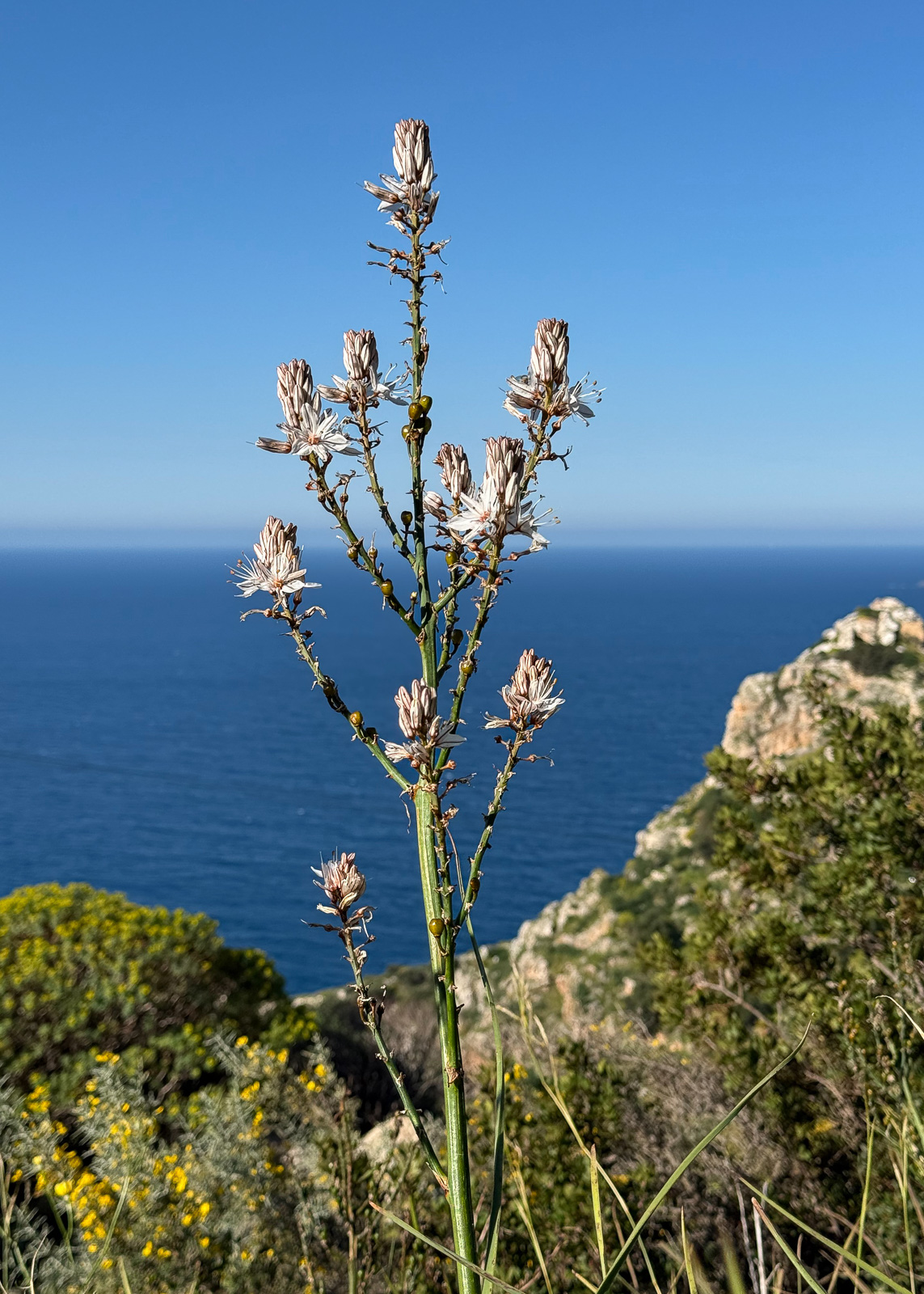
Asphodelus ramosus
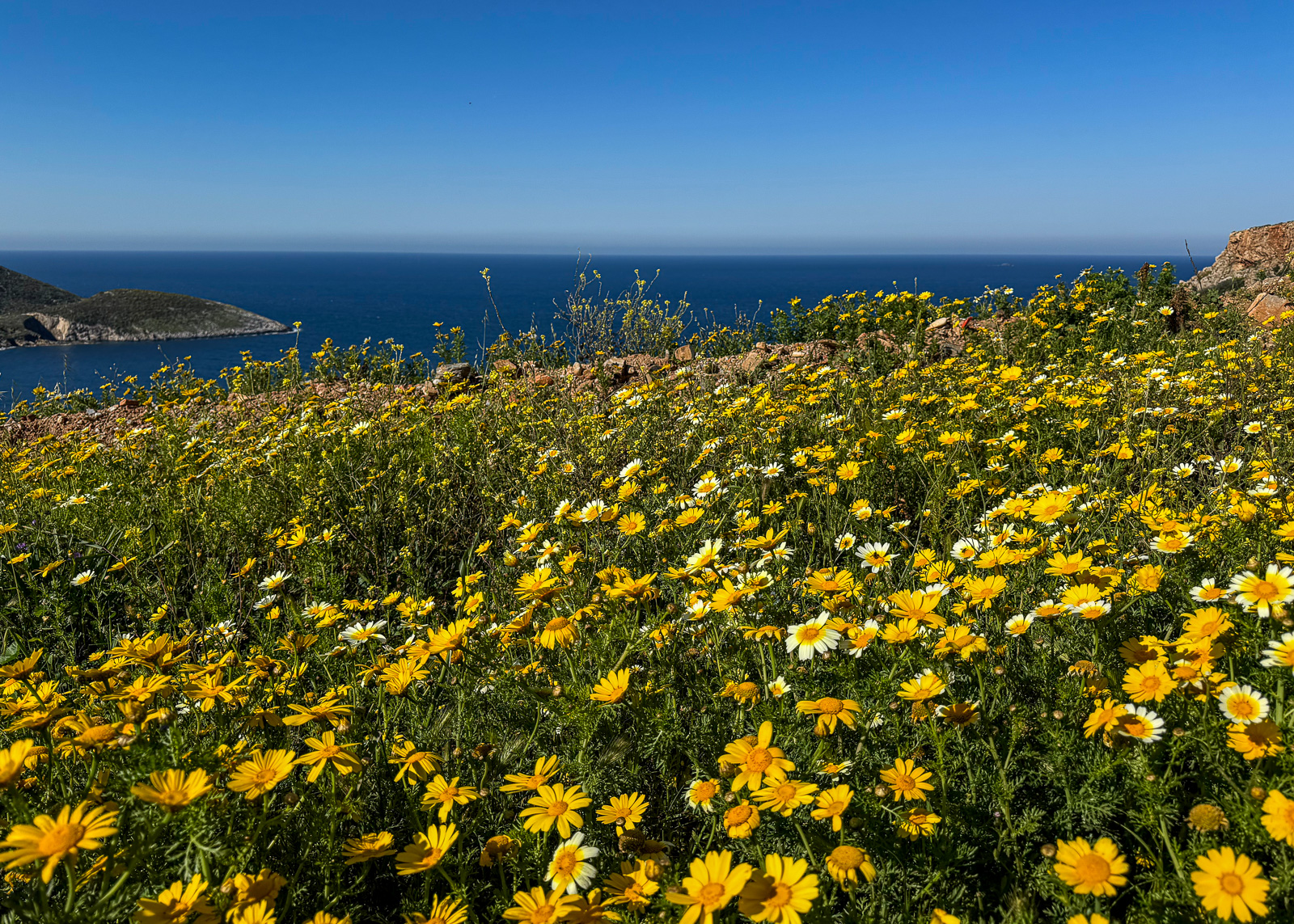
Glebionis coronaria
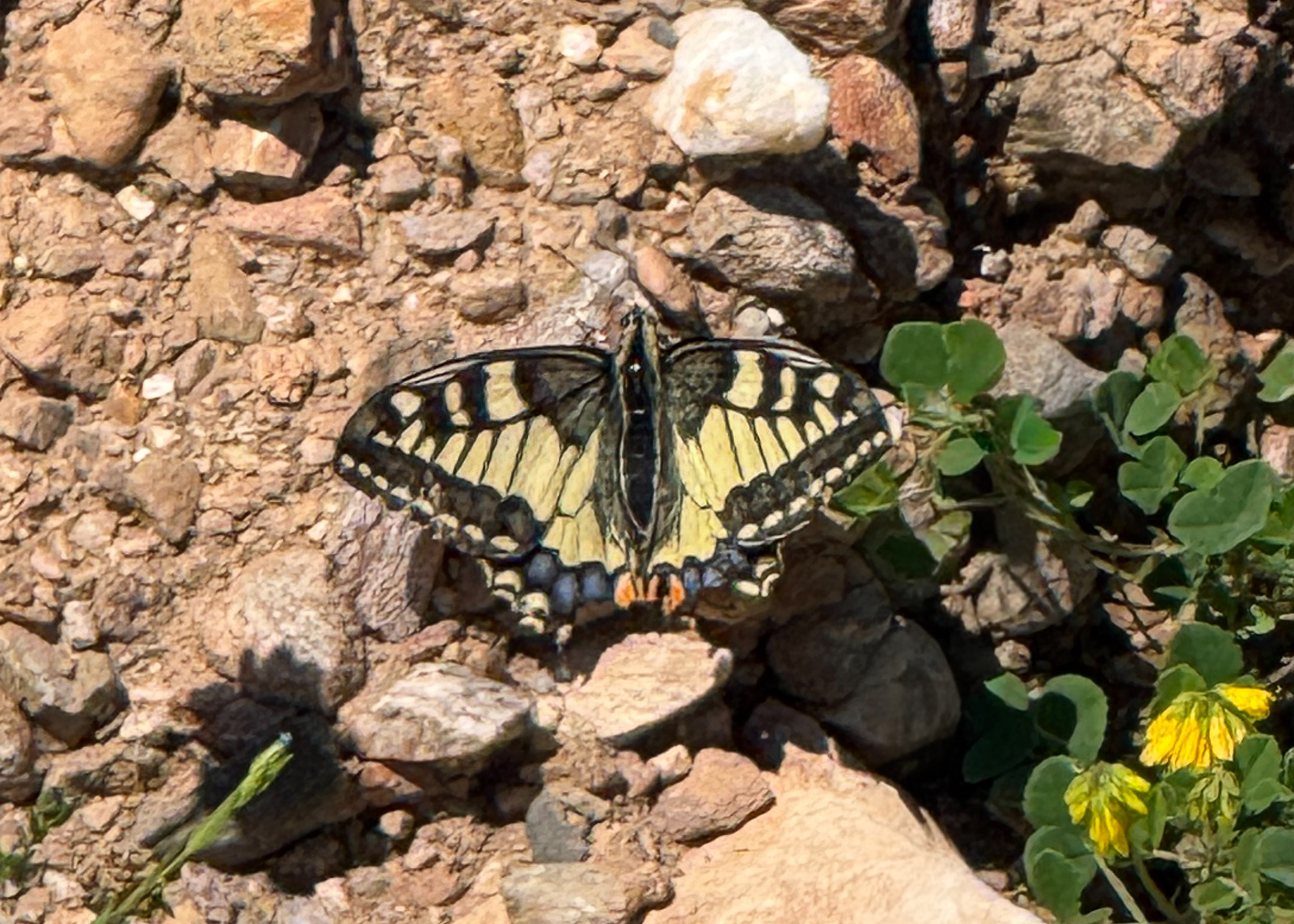
Papilio machaon
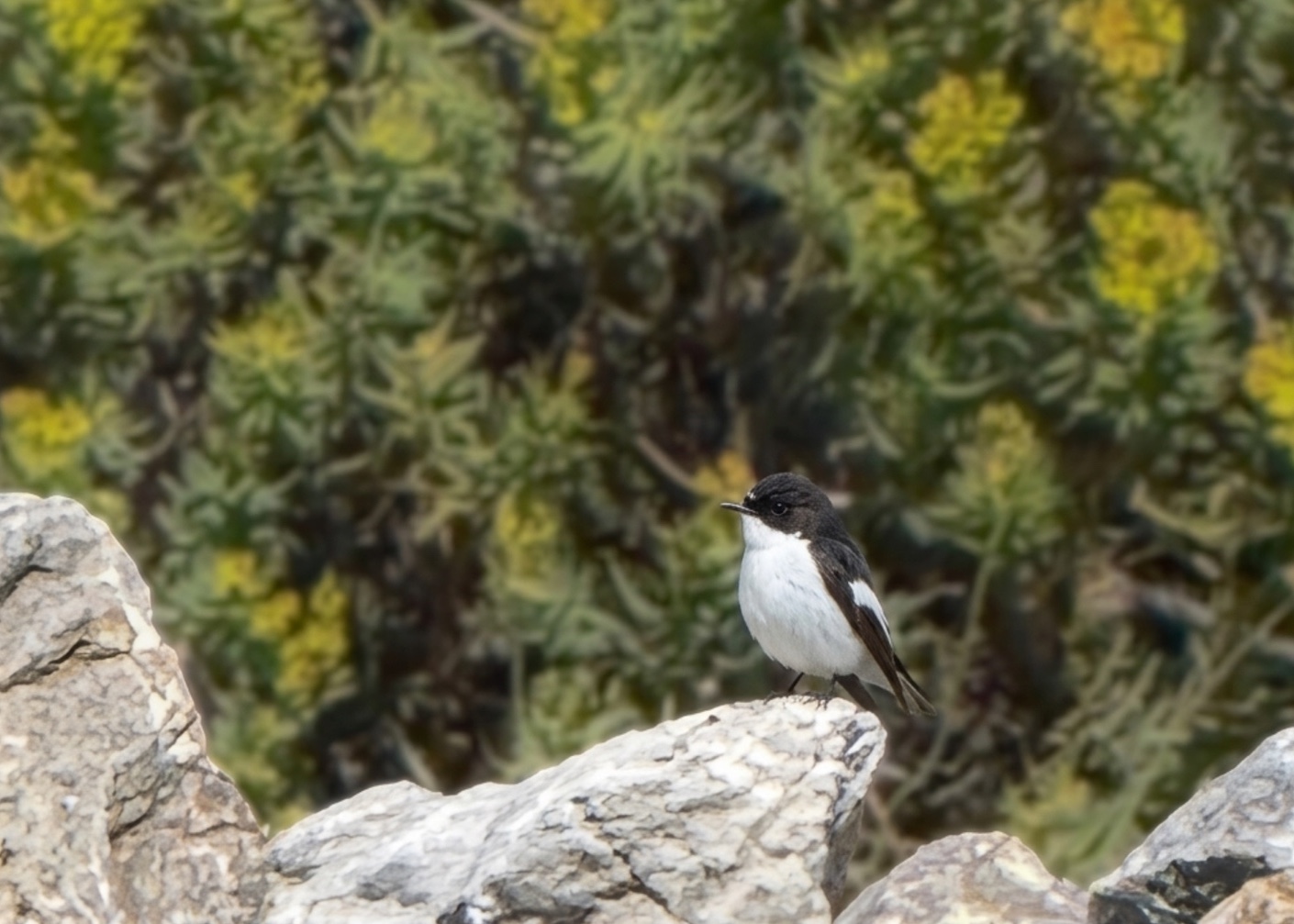
Ficedula hypoleuca
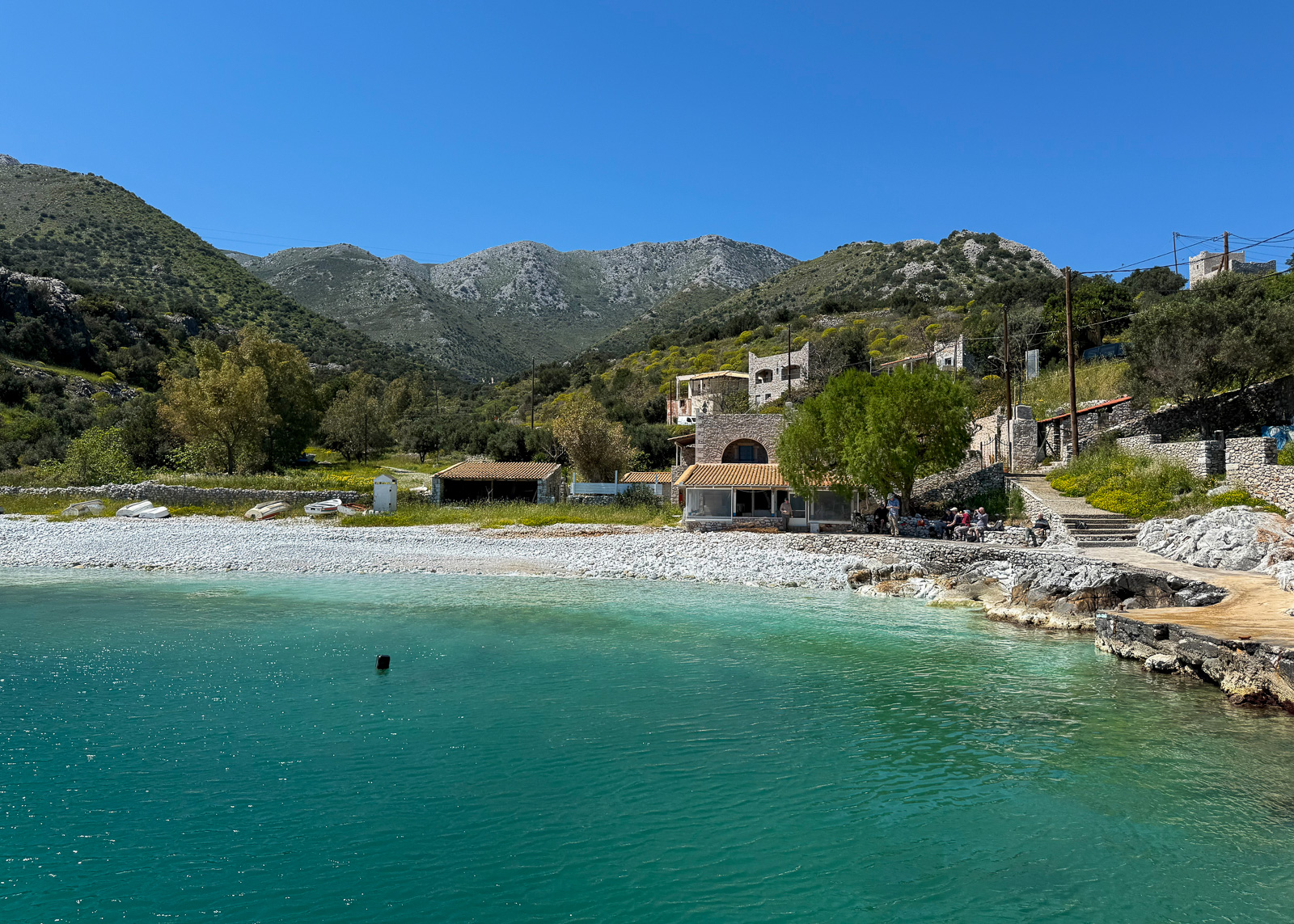
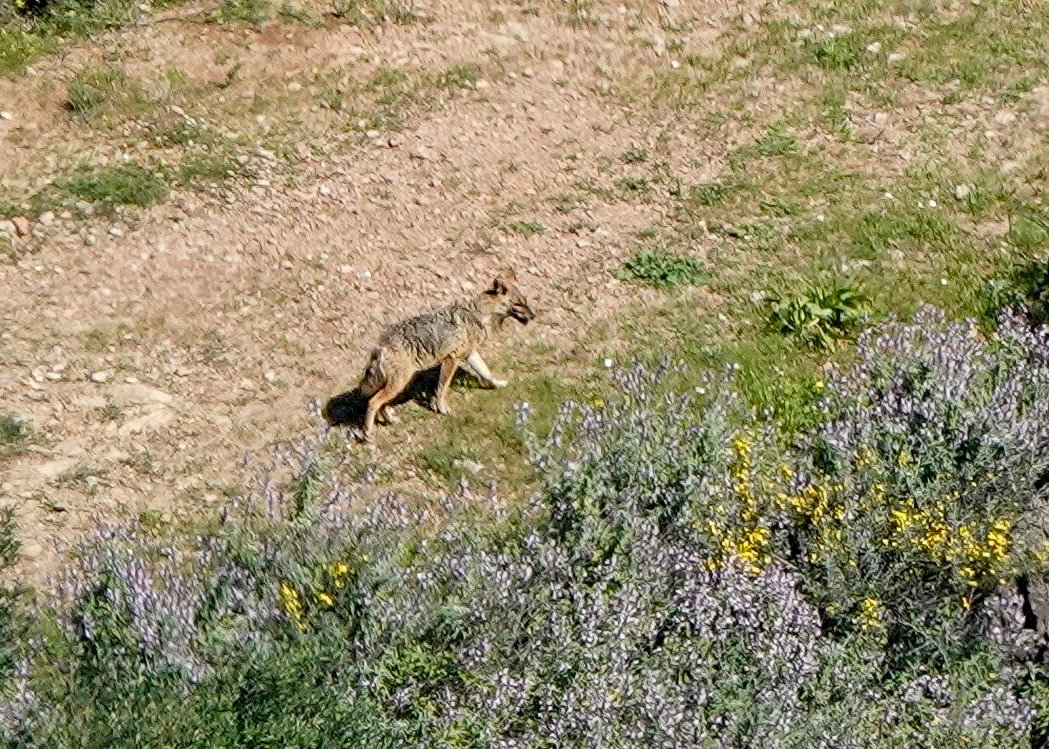
We had lunch on the beach at Kokkala, followed by coffee at a small bakery at the other end of the village. Highlights included Pied Flycatcher, Sombre Tit, more orchids, and good views of a Golden Jackal.
8 April – Mani Hills and the Diros Caves
We returned south, stopping briefly on the way so that I could photograph the giant fennel. We parked at Porto Sternes beach again, but this time walked up through the village. Birding highlights included Cretzschmar’s Bunting, both Pied and Collared Flycatchers, Wood Warbler, and more. Some people also managed to see a Turtle Dove. We then drove off to look for more orchids.
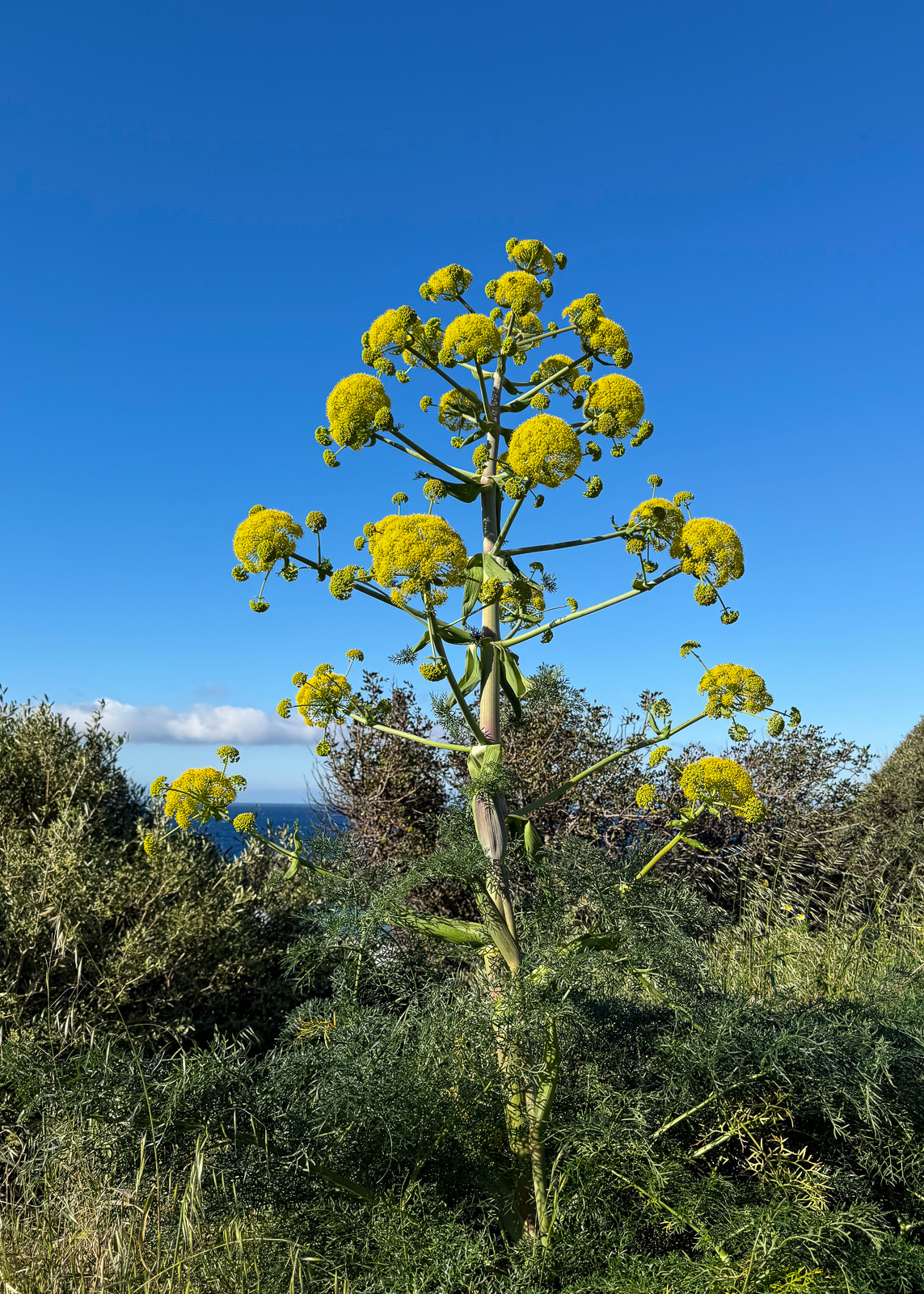
Ferula communis
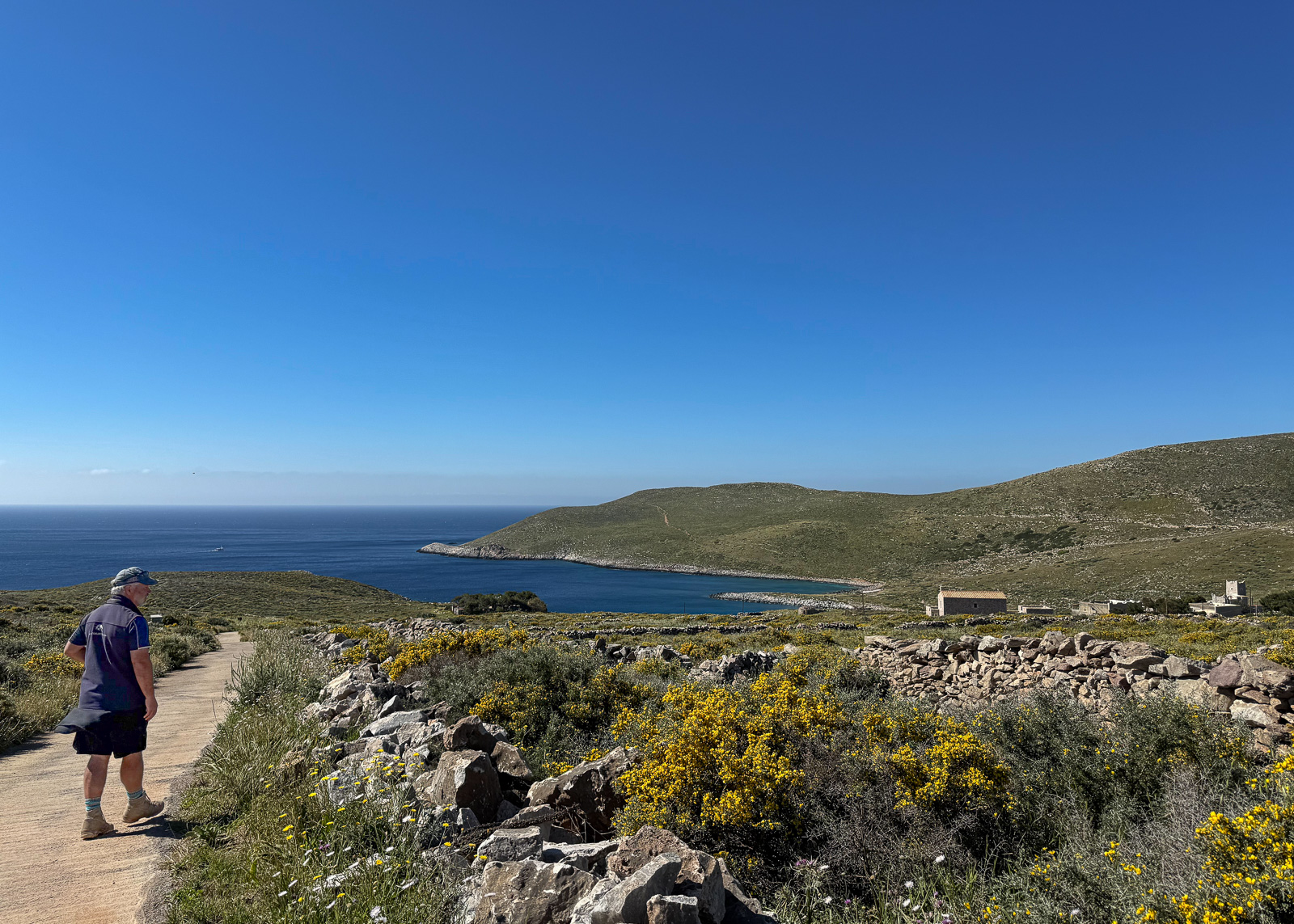
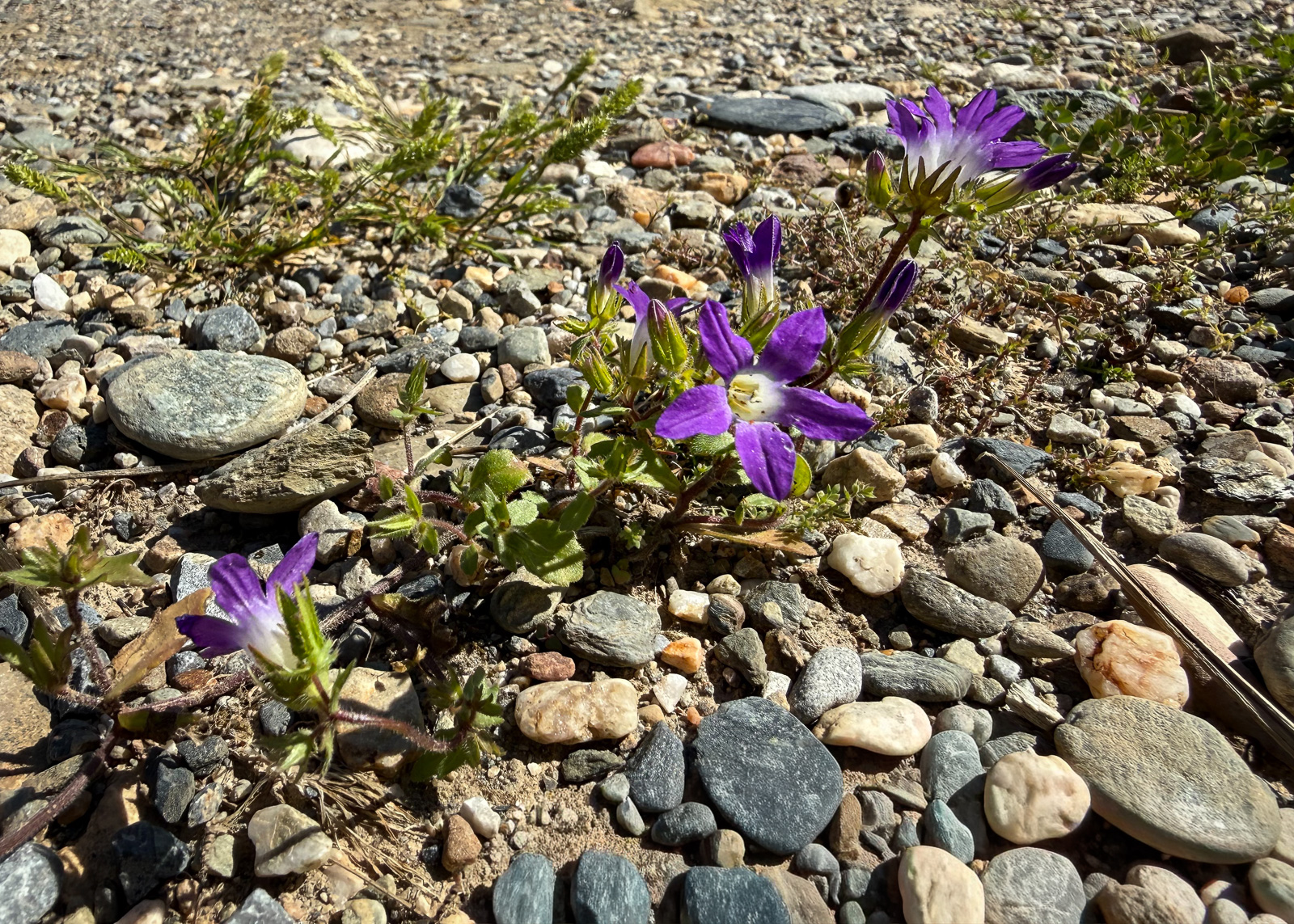
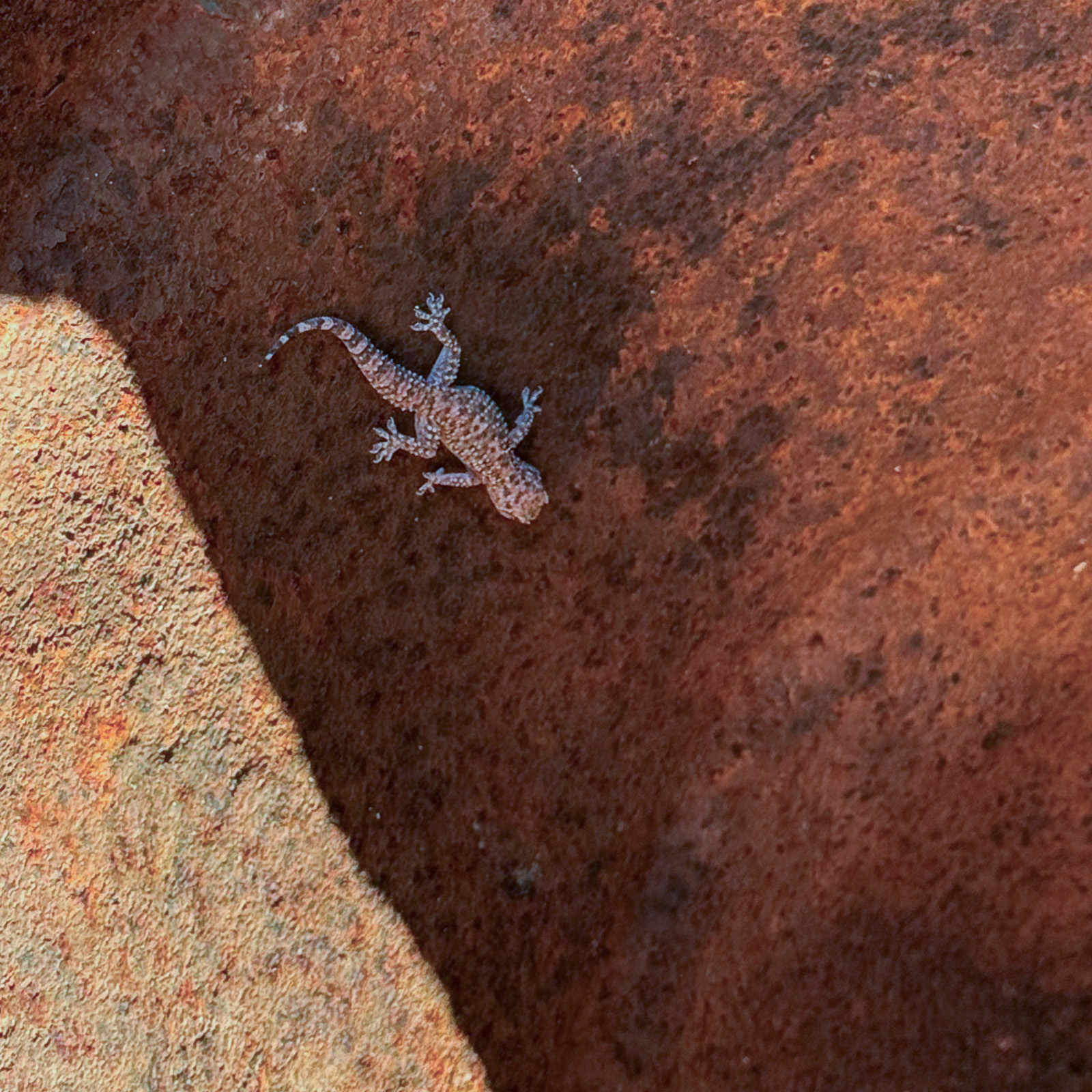
Before lunch we stopped again at the chapel on the hill so that those who had missed the geckos in the well on the previous visit could see them. They disappeared quickly once disturbed. Lunch was on the beach in a small village below the chapel.
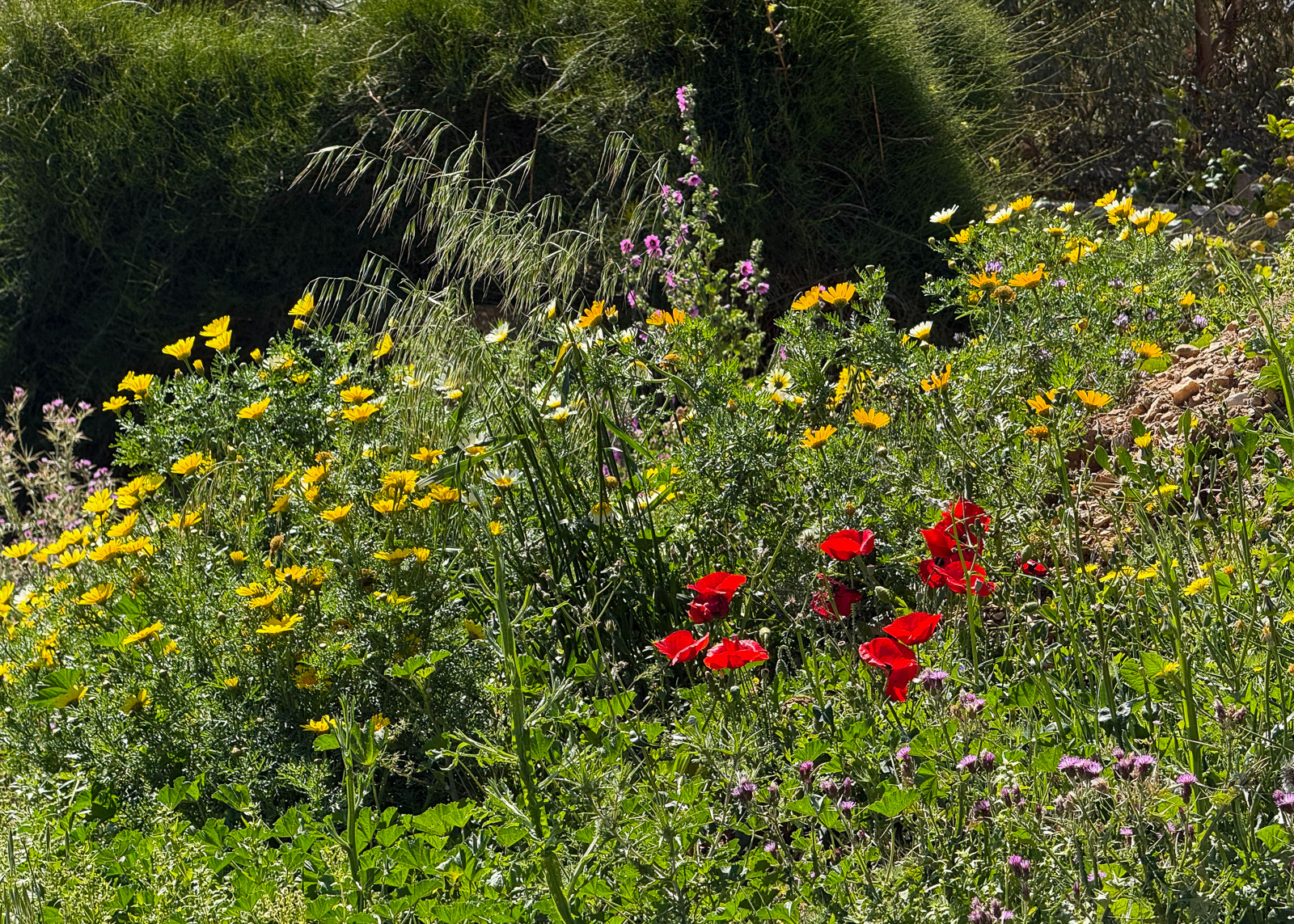
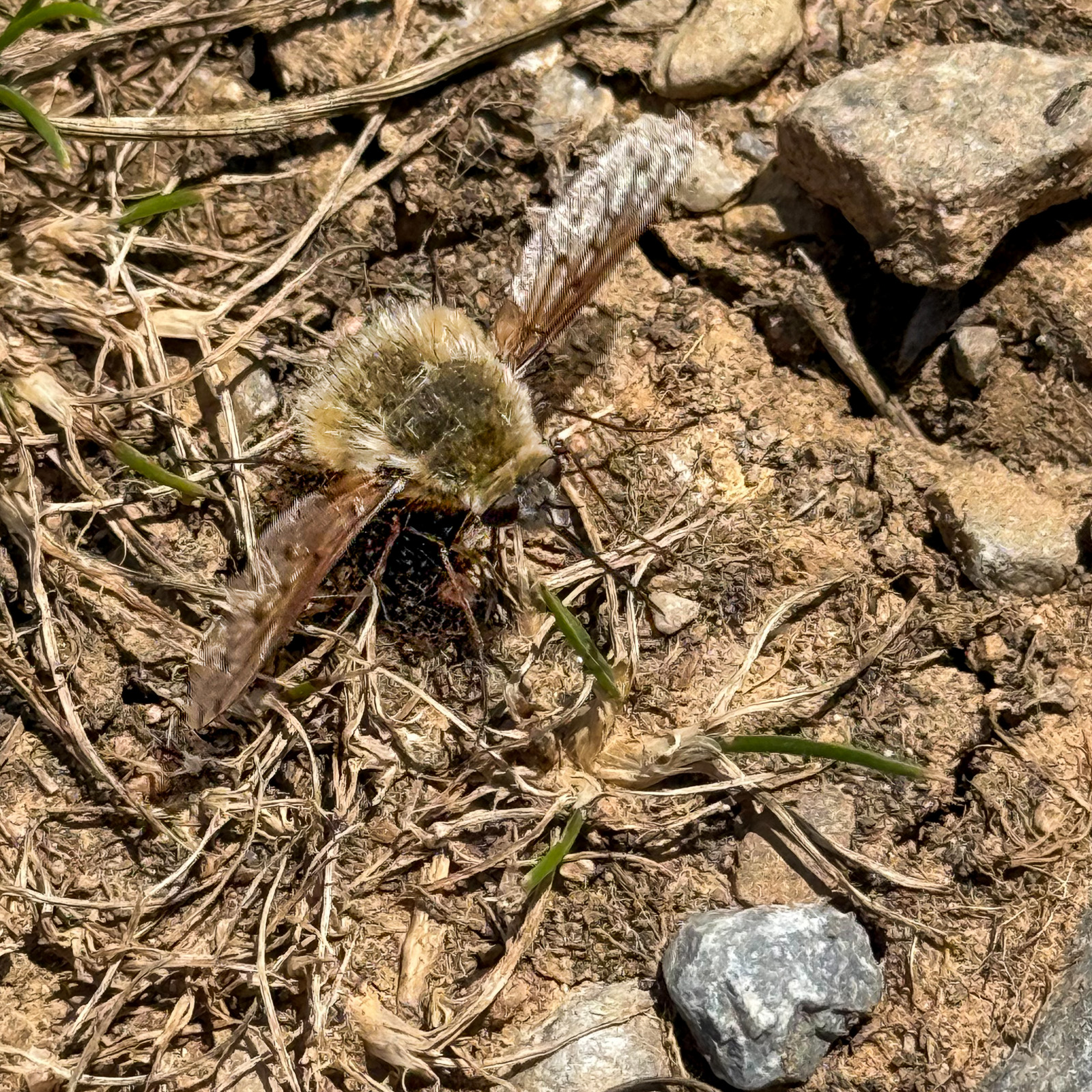
Bombylius discolor
In the afternoon we visited the Diros caves, where we were taken through the first part of the limestone caverns by boat, followed by a walk to the exit. The caves were impressive, although no information was provided during the visit.
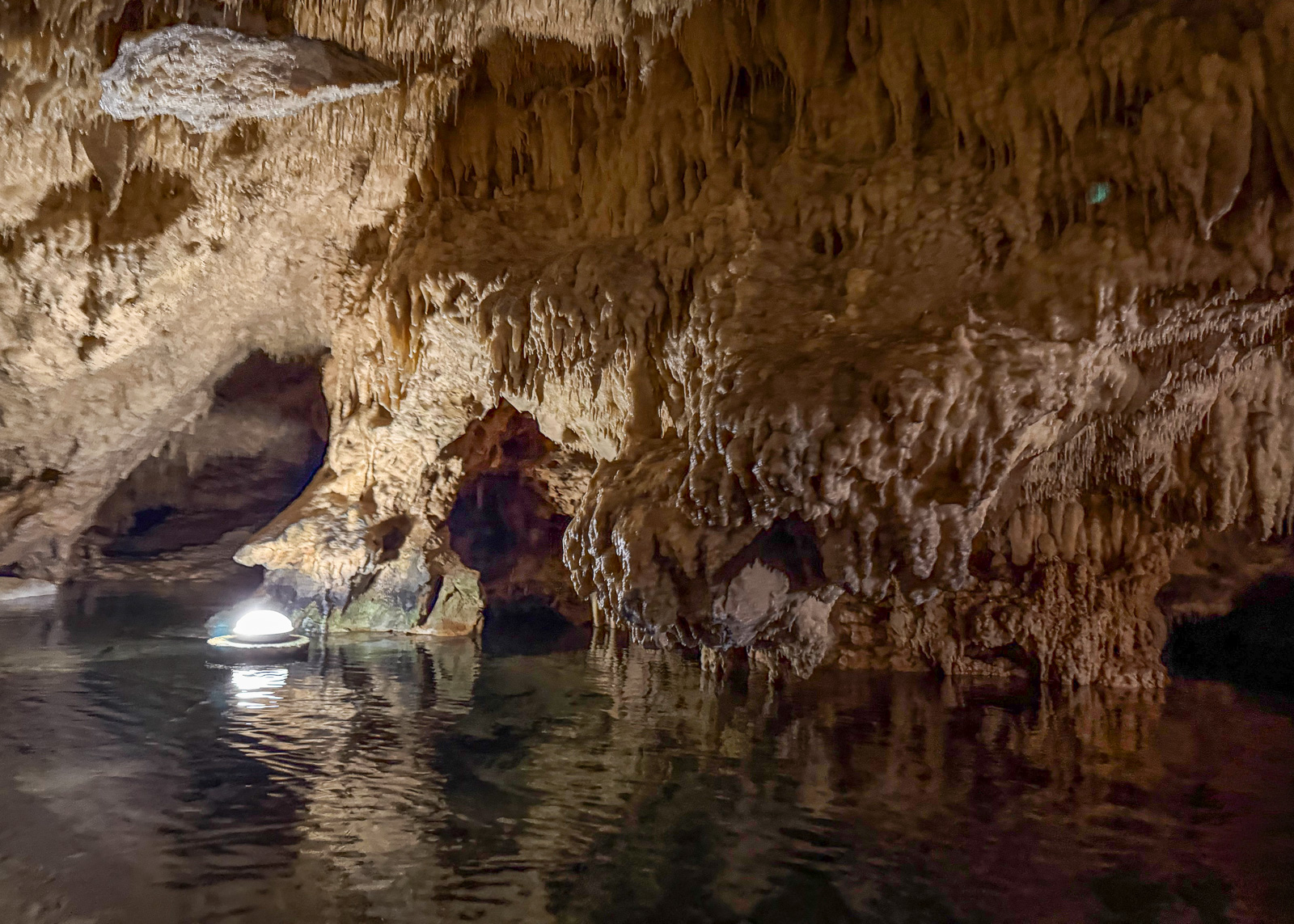
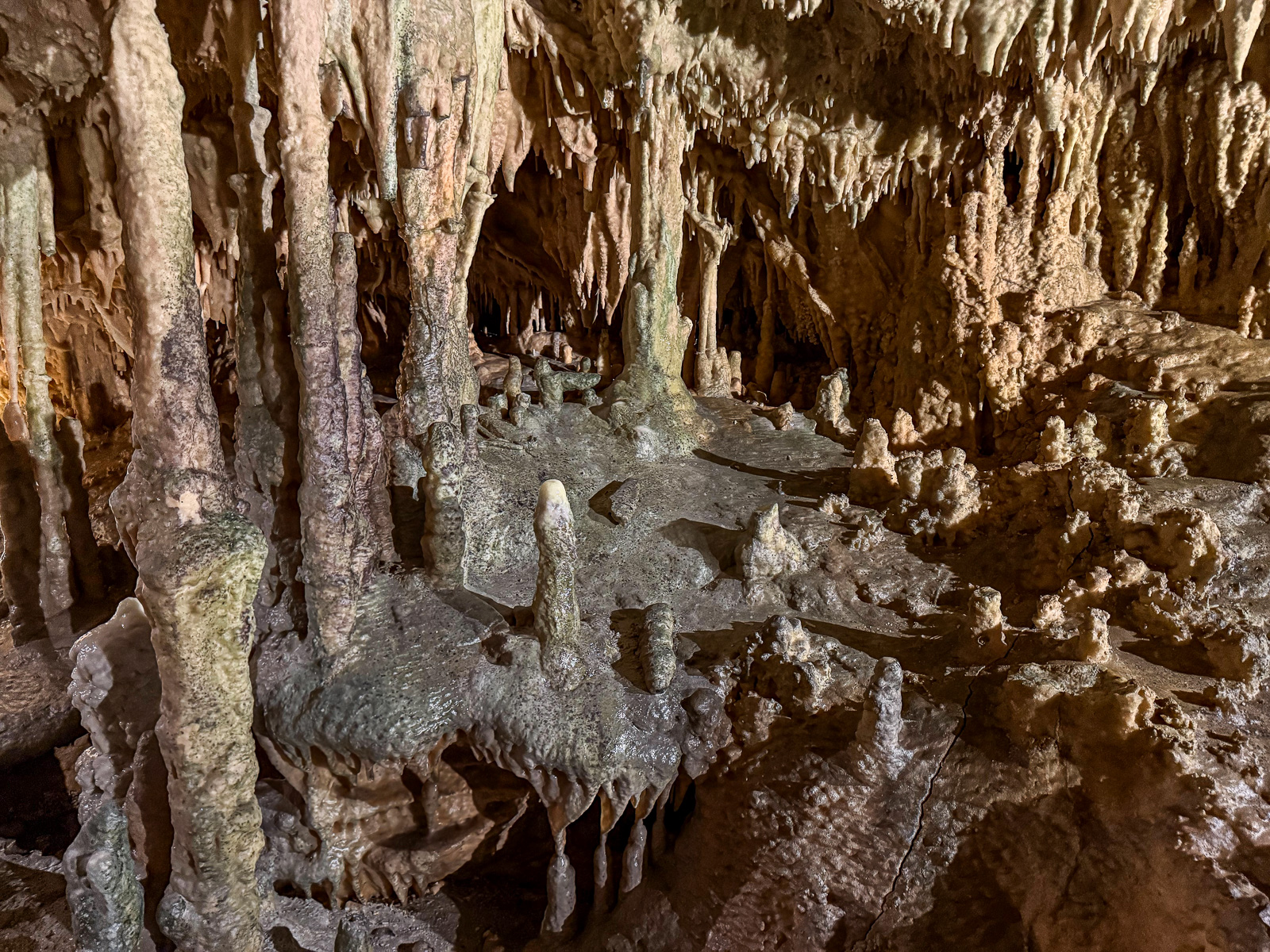
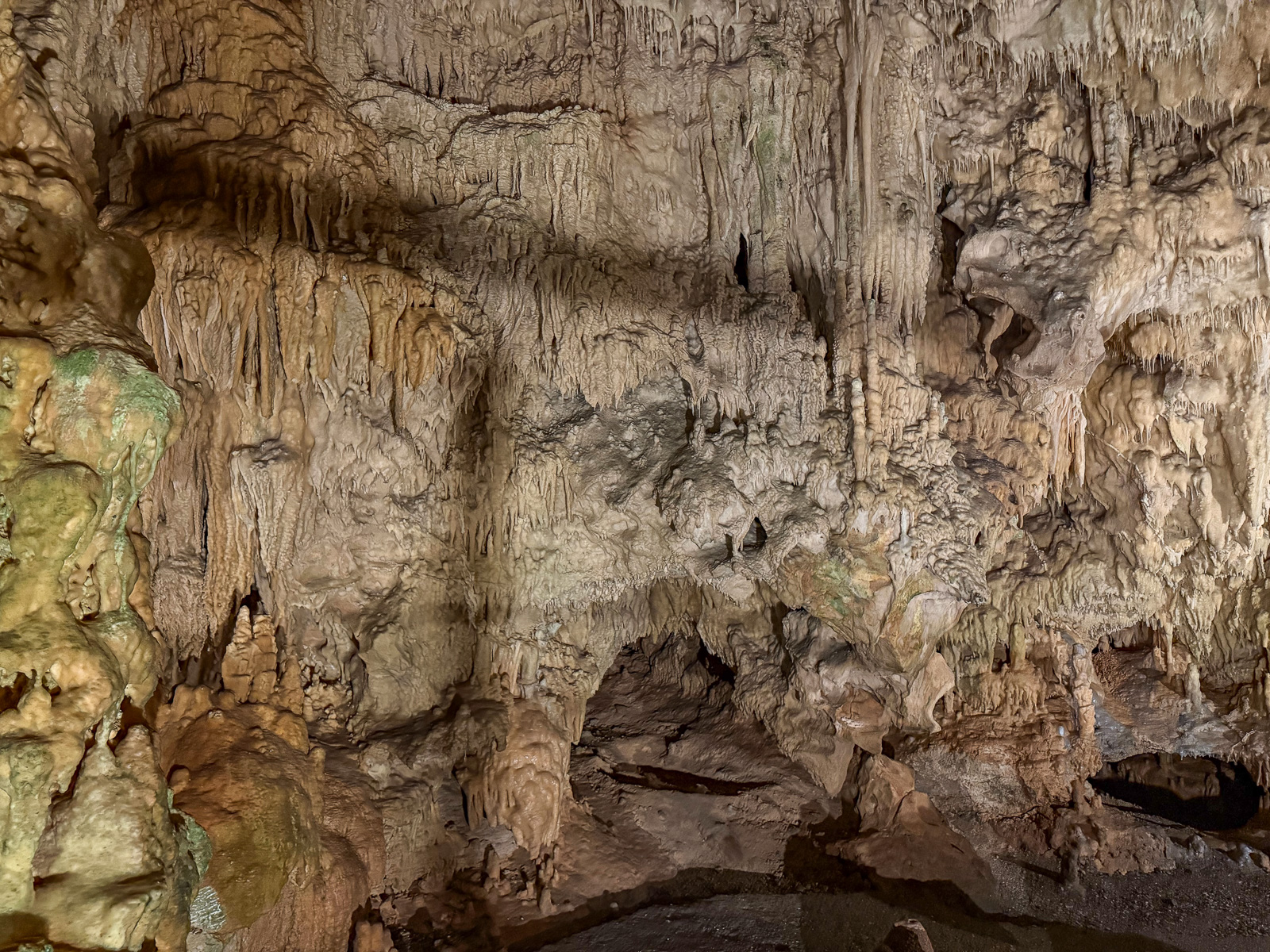
The Diros Caves form part of an extensive limestone system with an underground river. Human presence in the caves dates back to the Neolithic period.
In the late afternoon I joined a small group to look for a rare plant. It involved a short scramble, but we were able to find it. We also saw a Dahl’s Whip Snake and a Common Tongue Orchid.
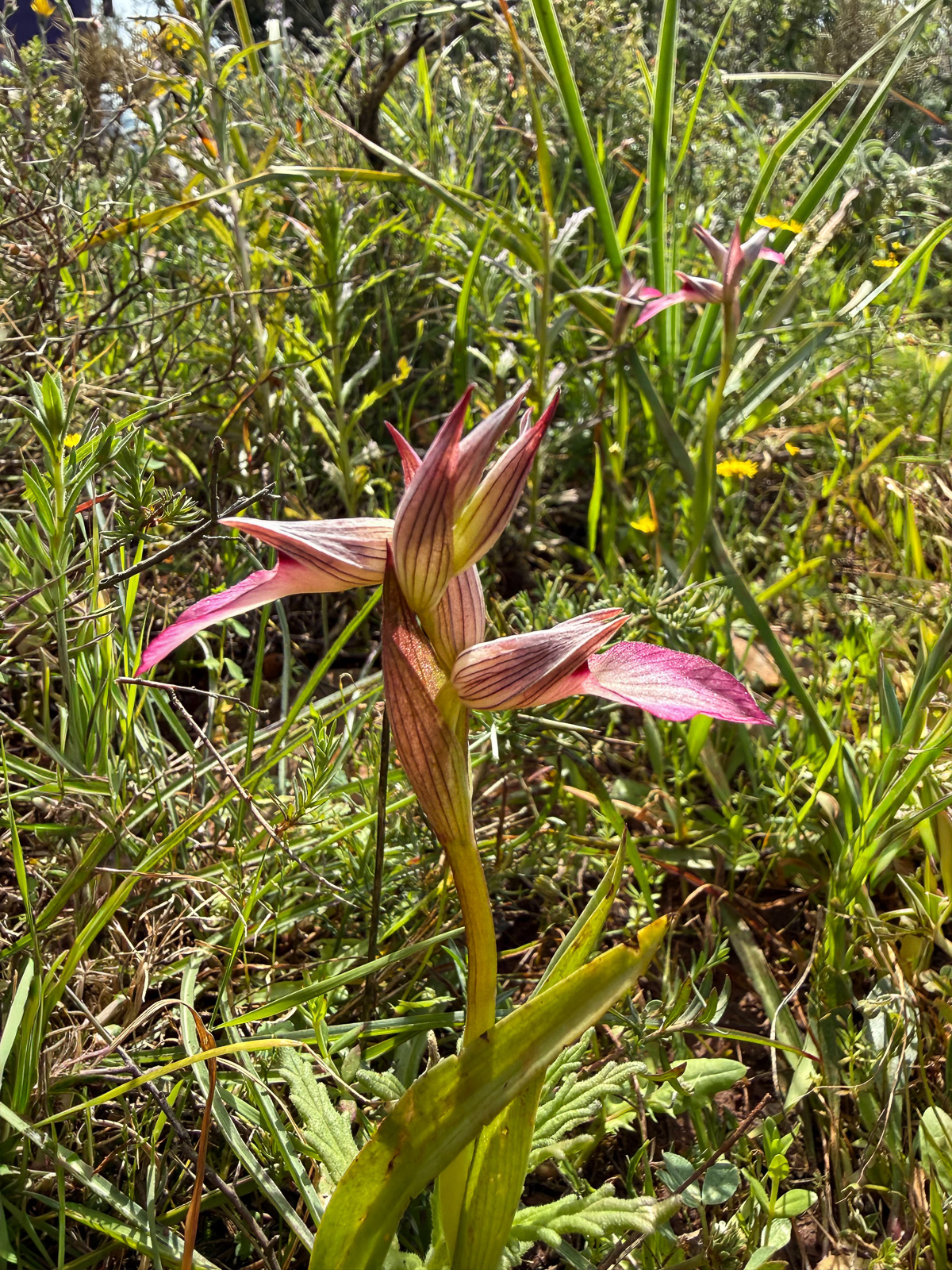
Orchid, Serapias lingua
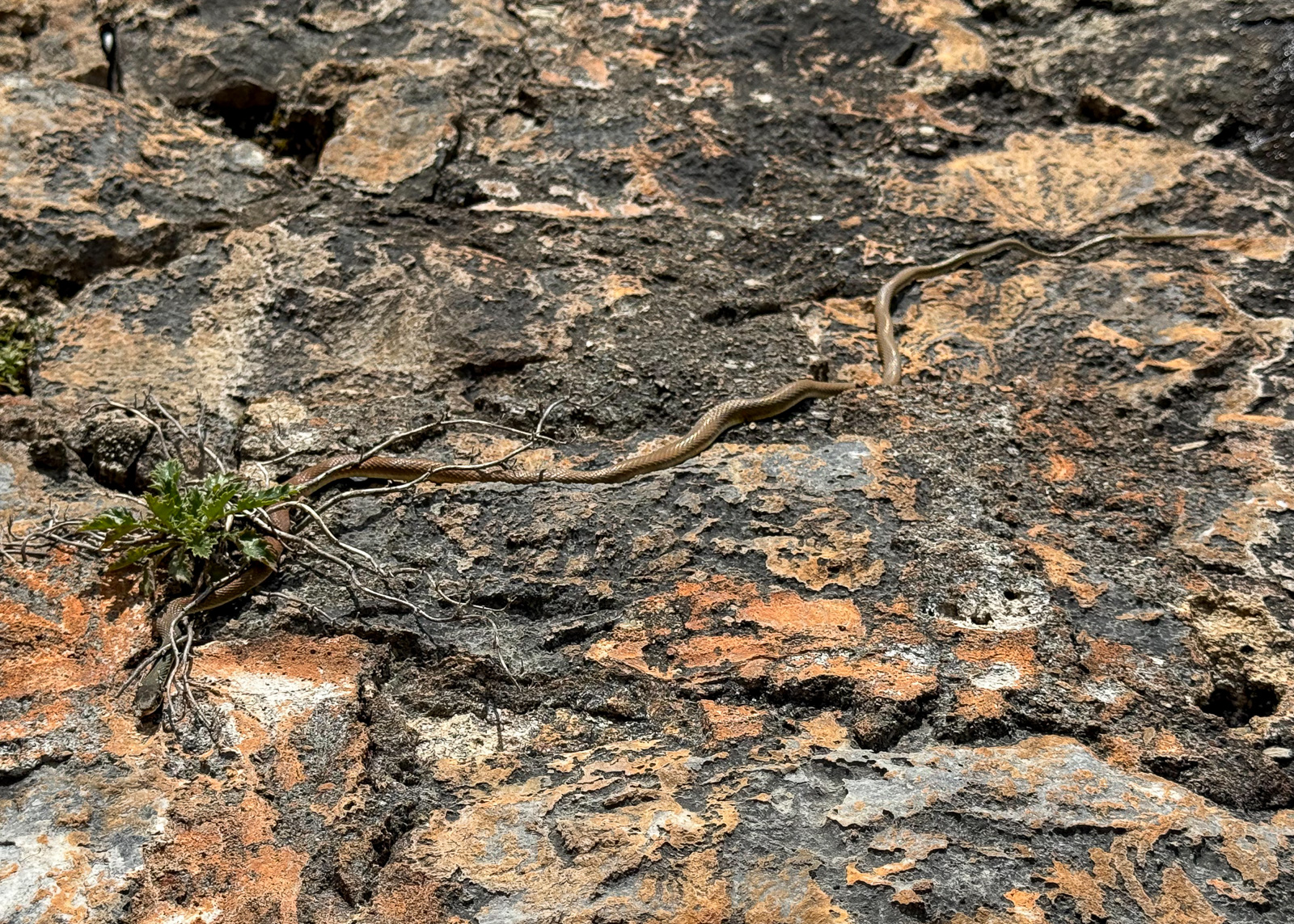
Platyceps najadum
9 April – Mystras to Nafplio
We packed up and began the drive back towards Athens. On the way we stopped at the Byzantine site of Mystras, where we were met by a local guide. We were dropped off at the top entrance and walked slowly down through the site with the guide.
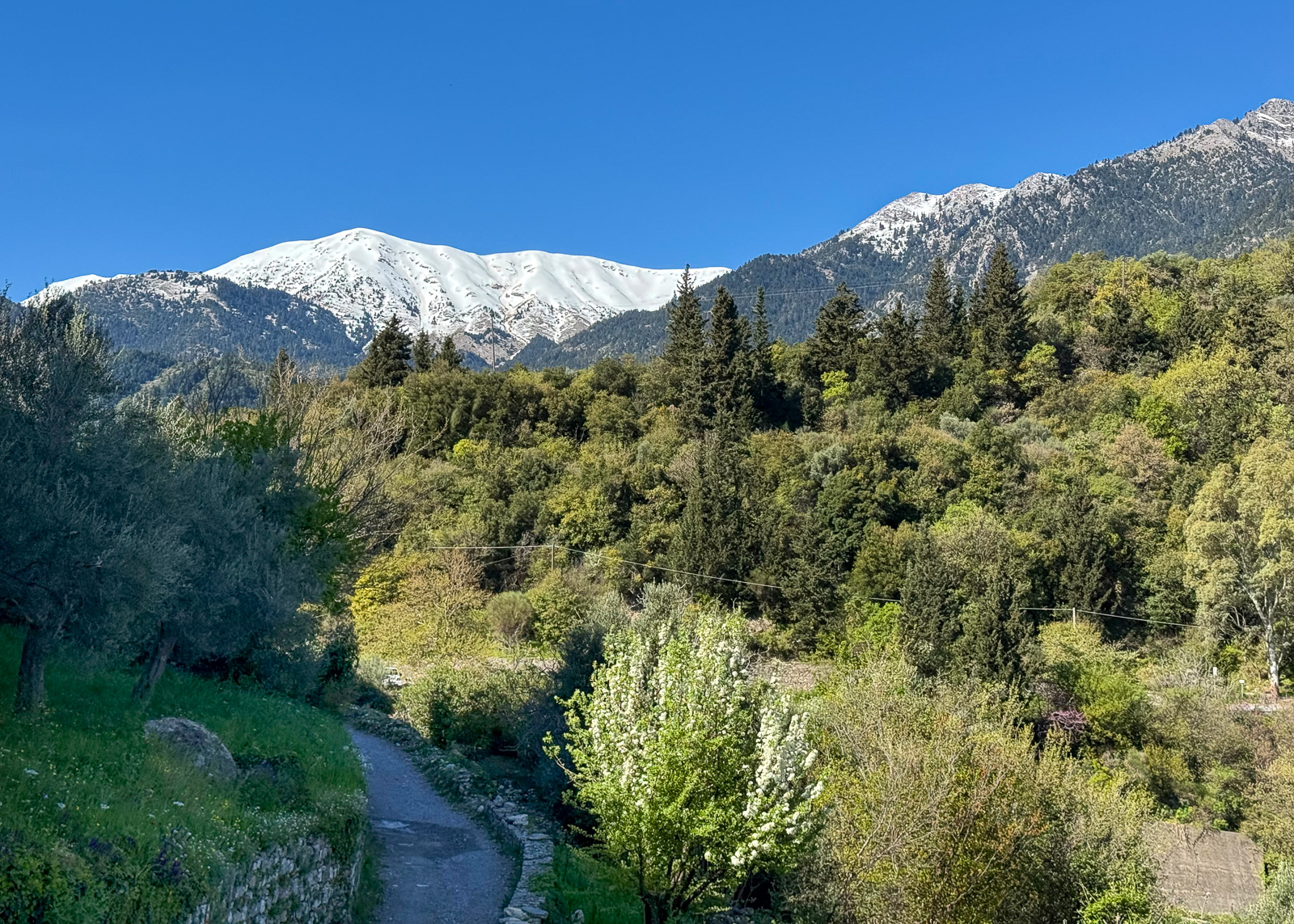
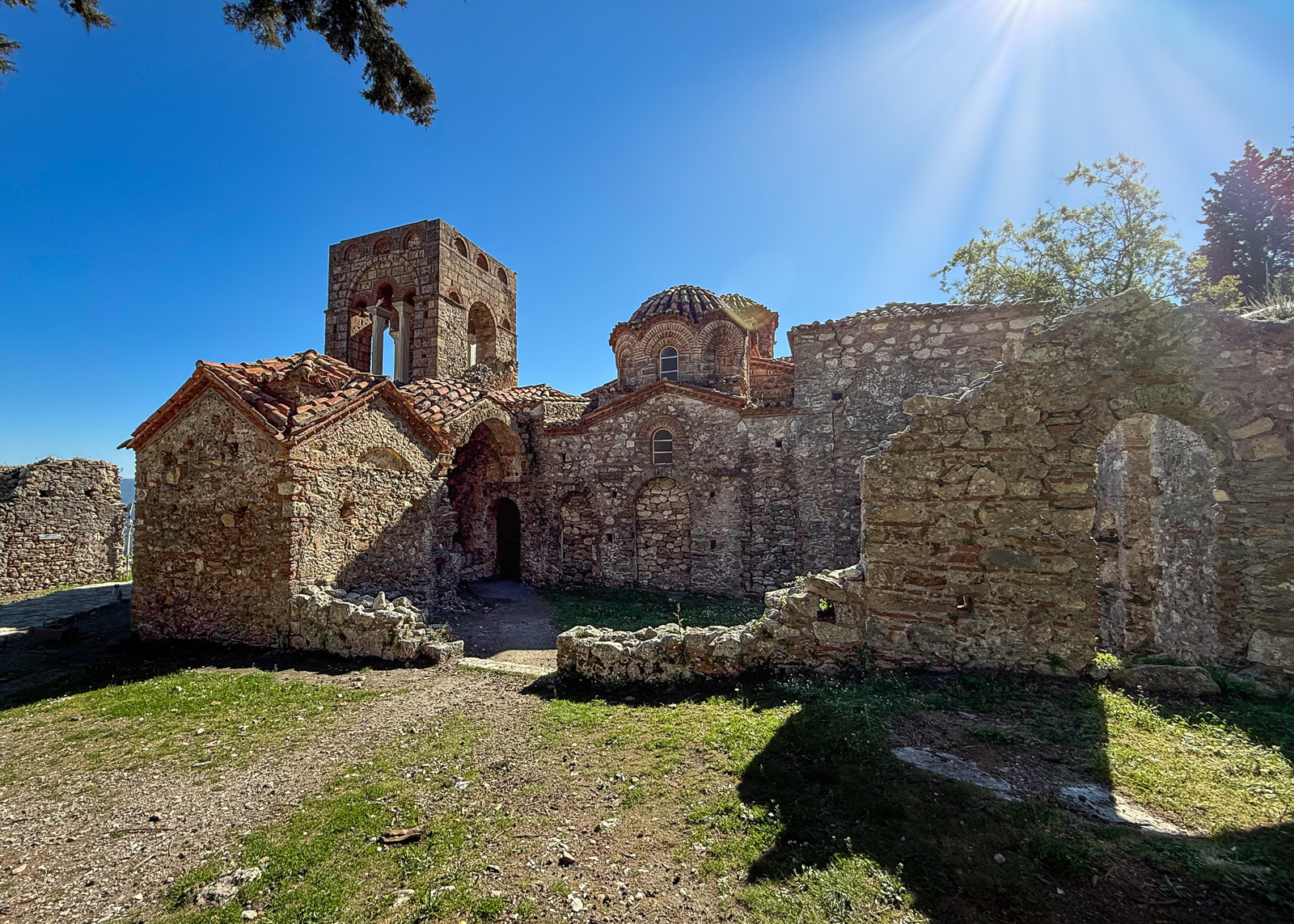
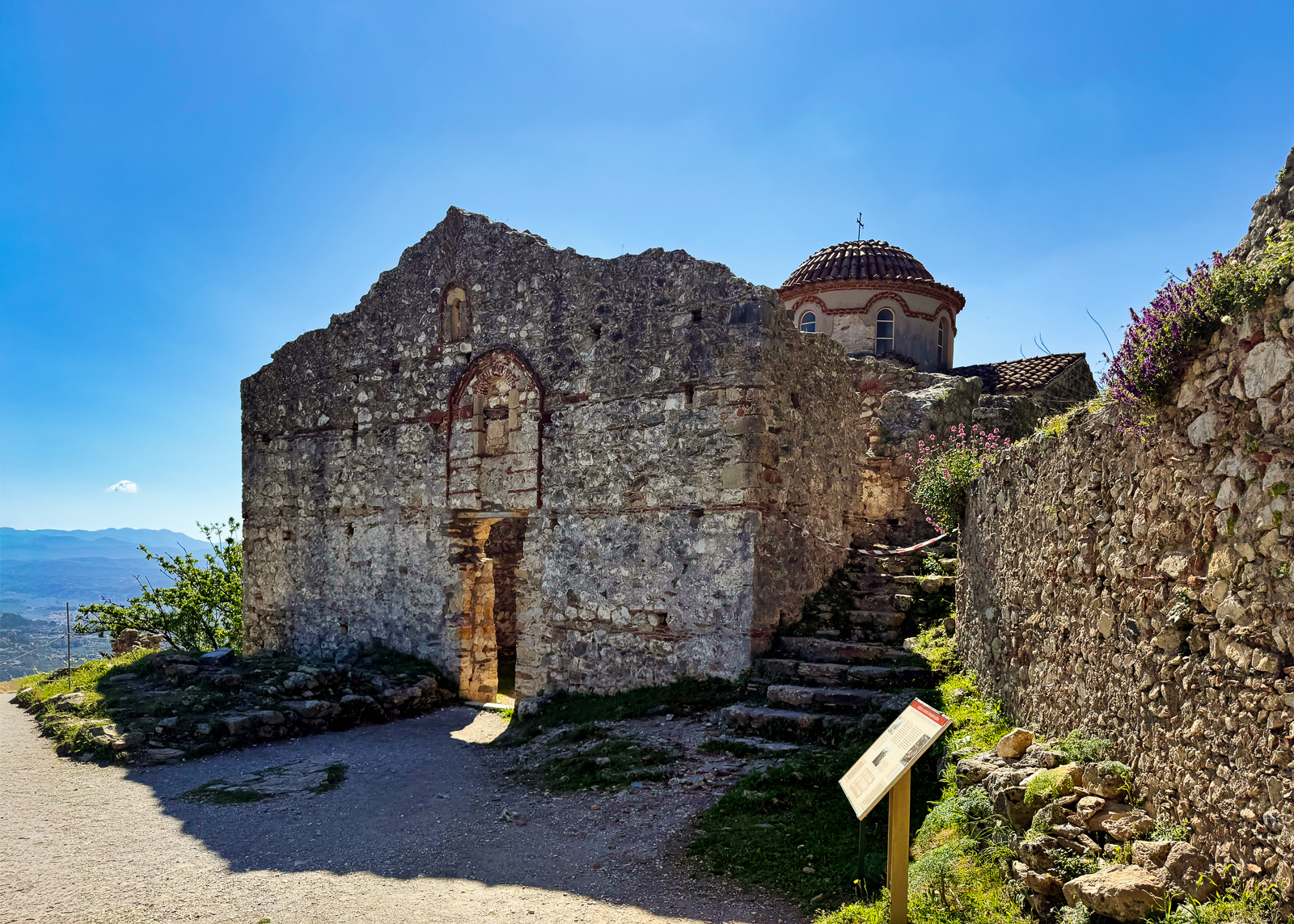
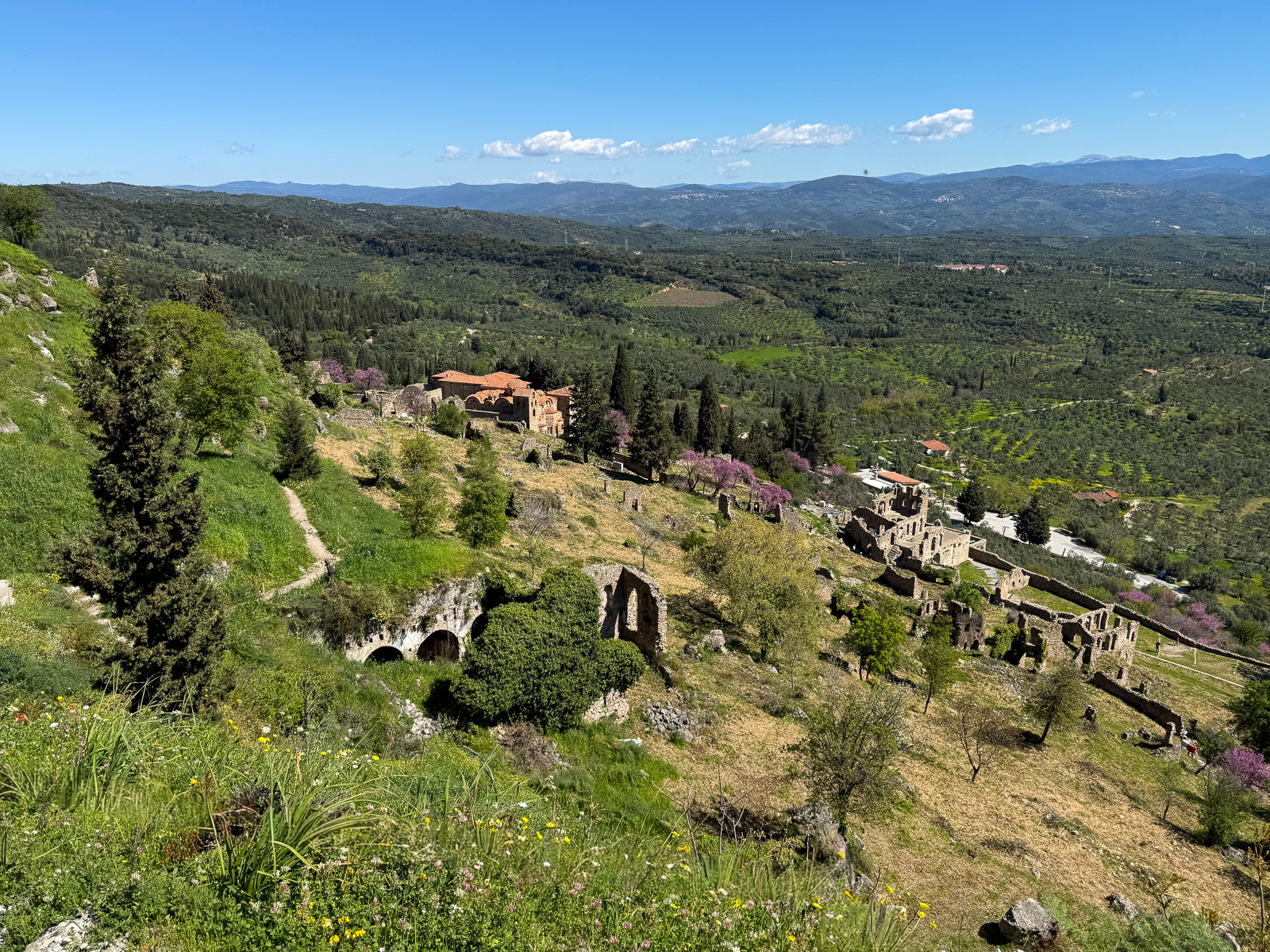
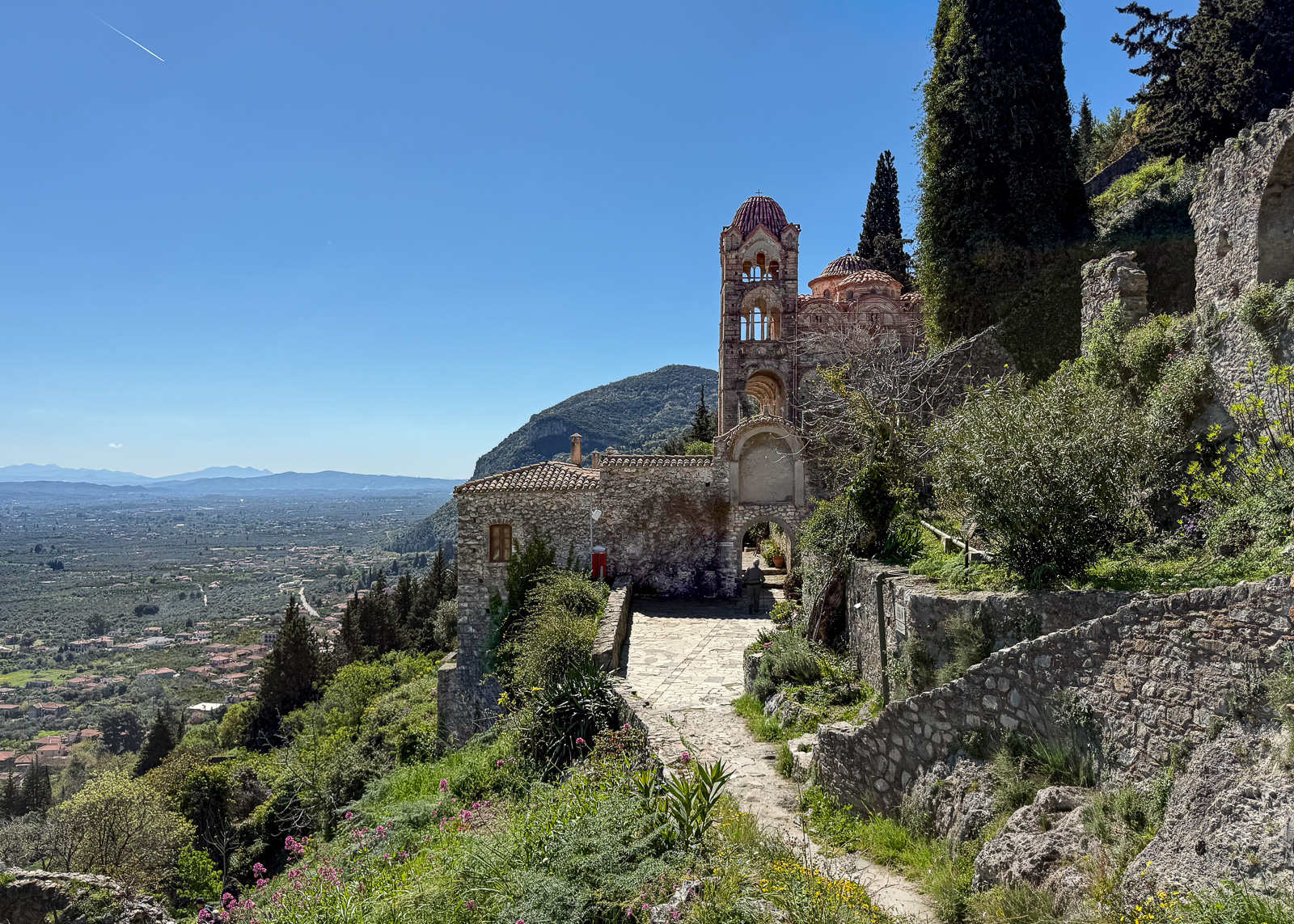
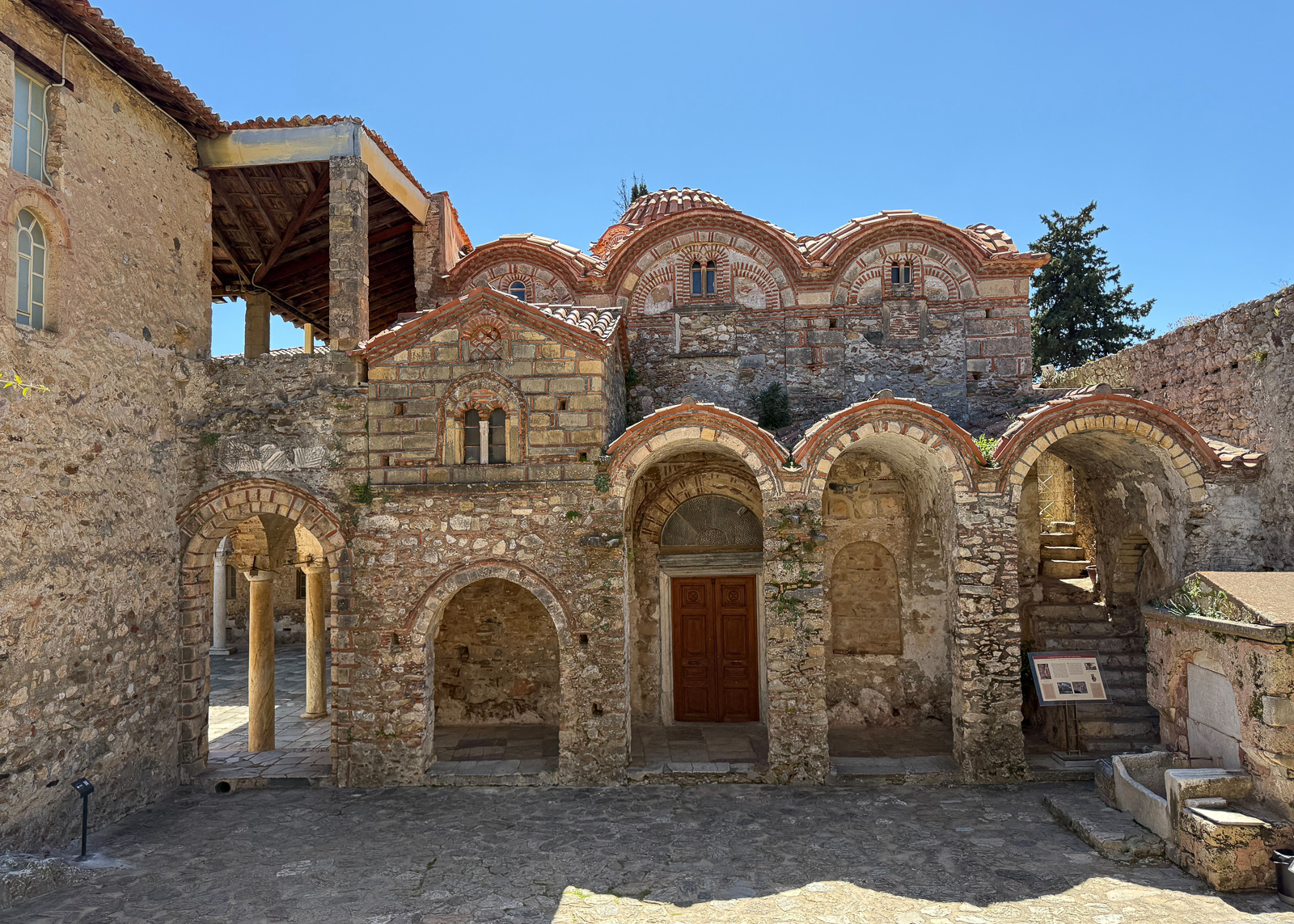
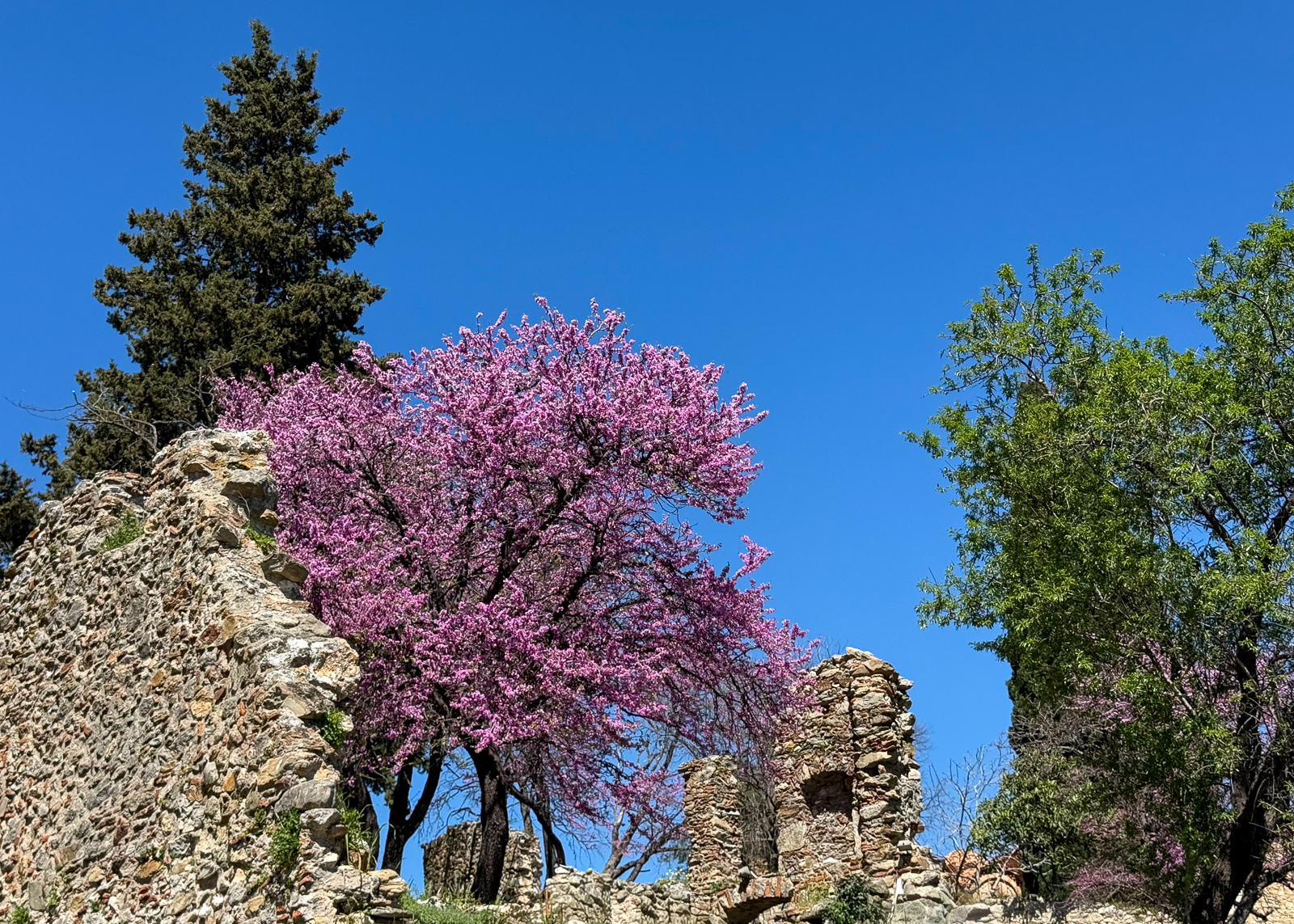
Mystras was a major centre of the late Byzantine Empire, founded in 1249. Its palaces, churches, and monasteries earned it UNESCO World Heritage status.
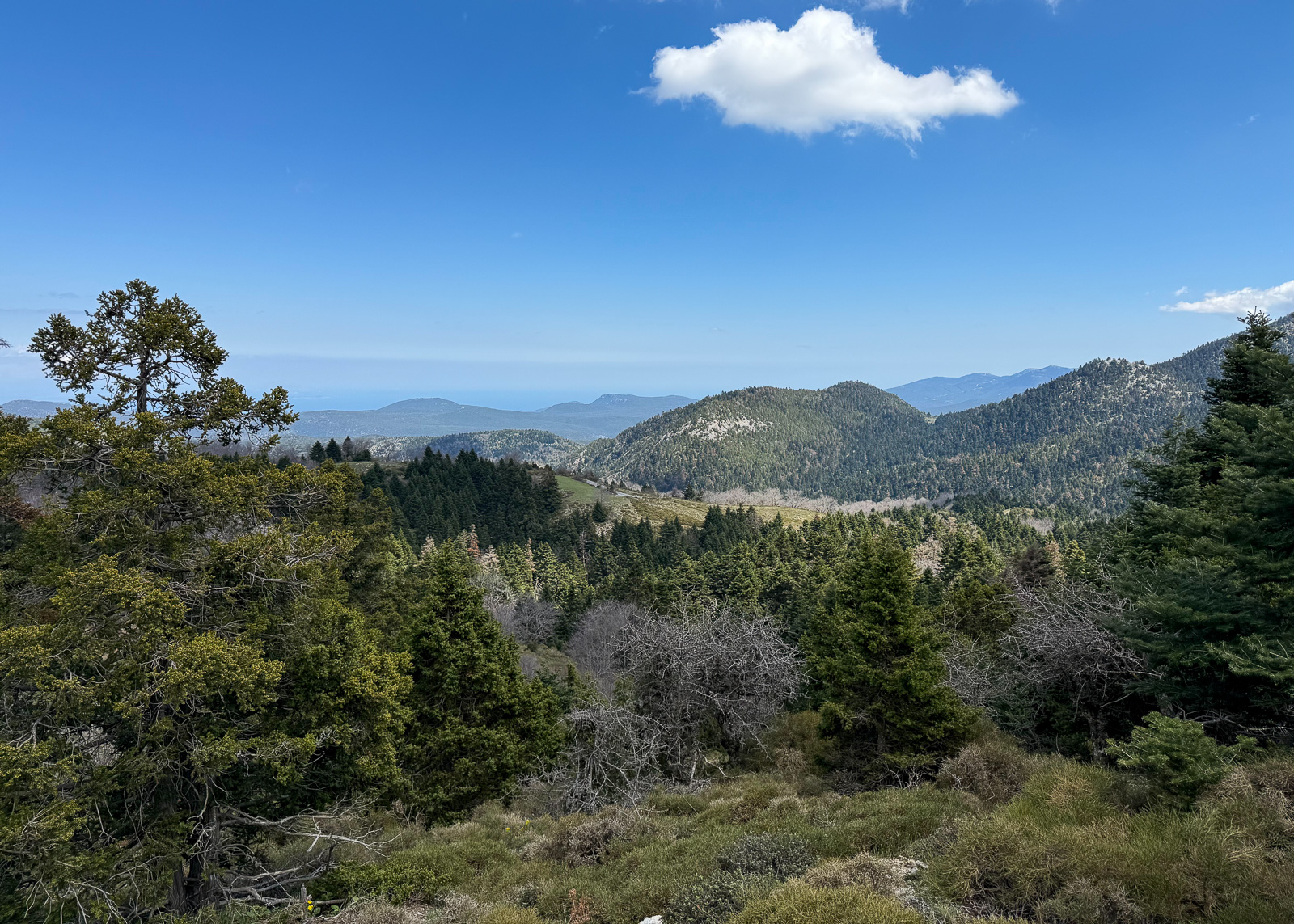
Our journey continued up through pine forests, making a few stops along the way to look at irises and cyclamens, before having lunch and a short walk near the top. We then continued to Nafplio for the final night.
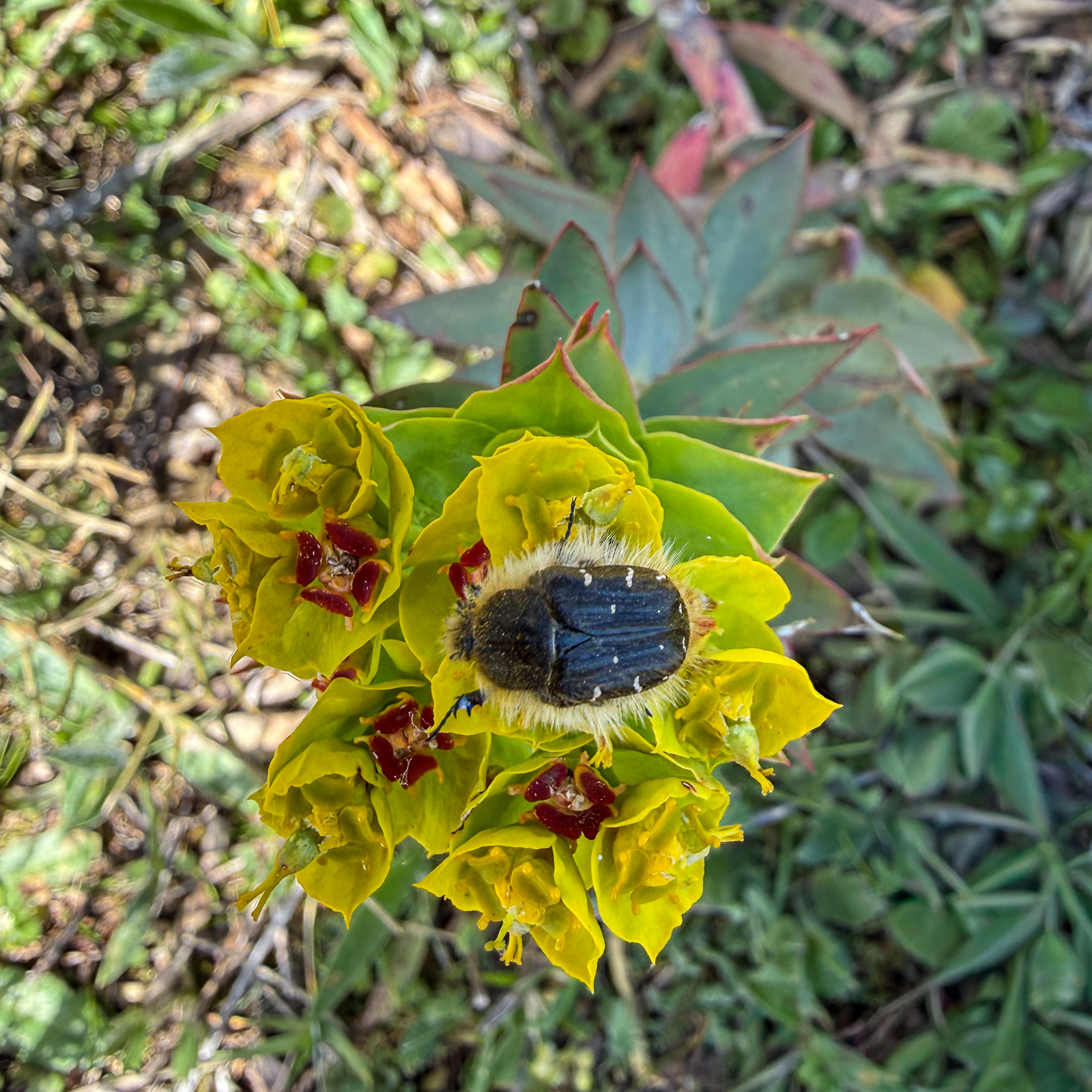
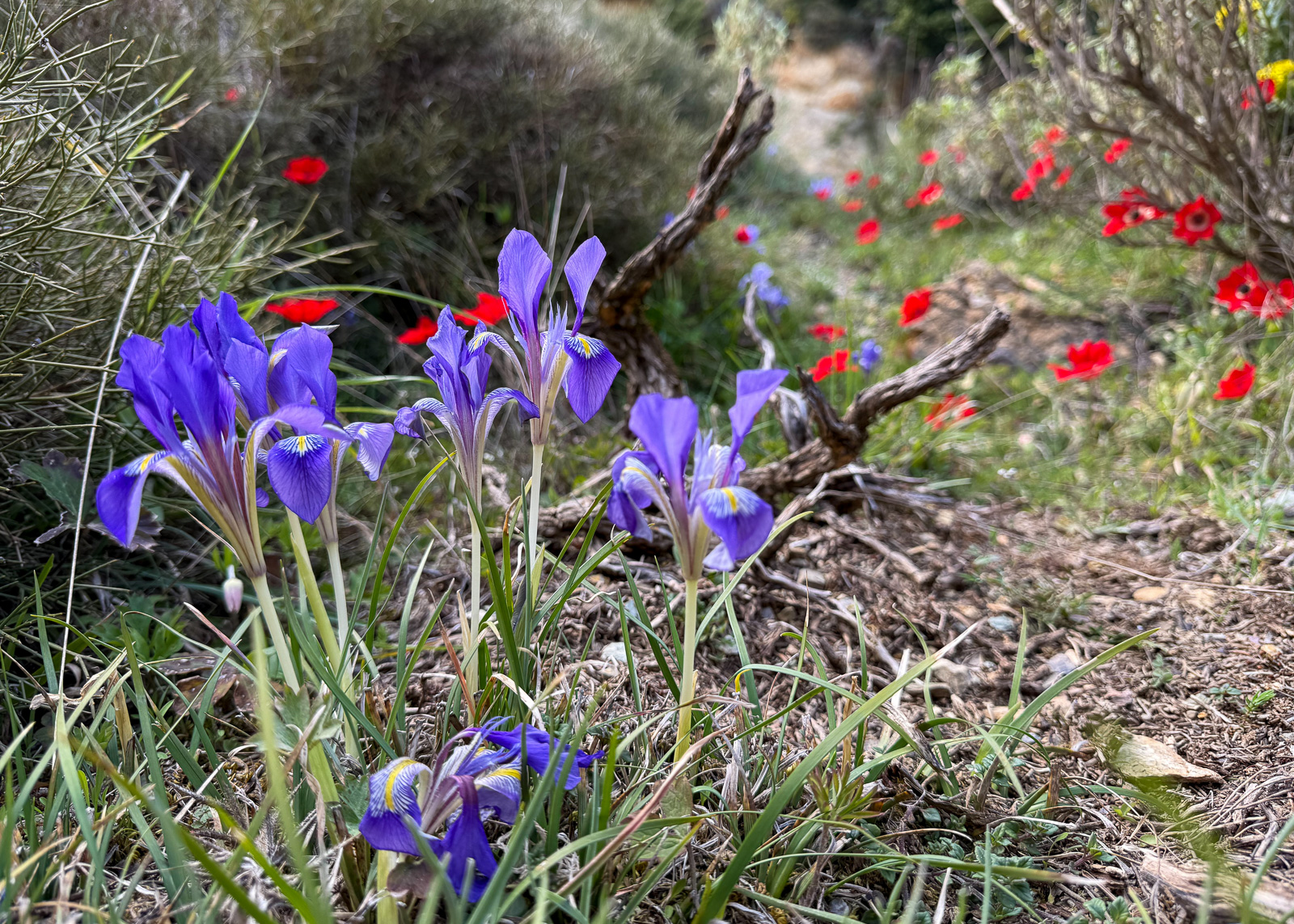
Iris unguicularis
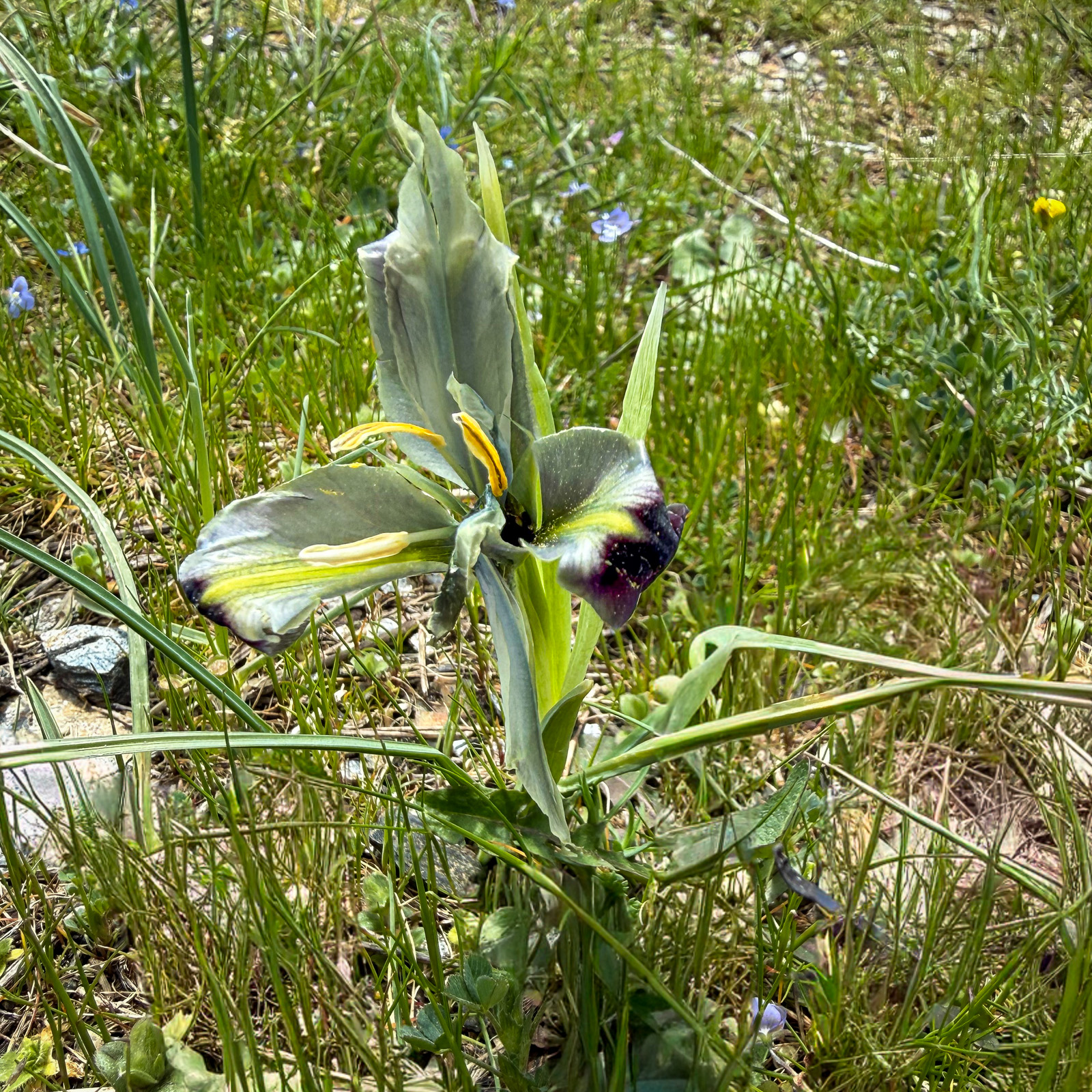
Iris tuberosa
10 April – Nafplio and Departure
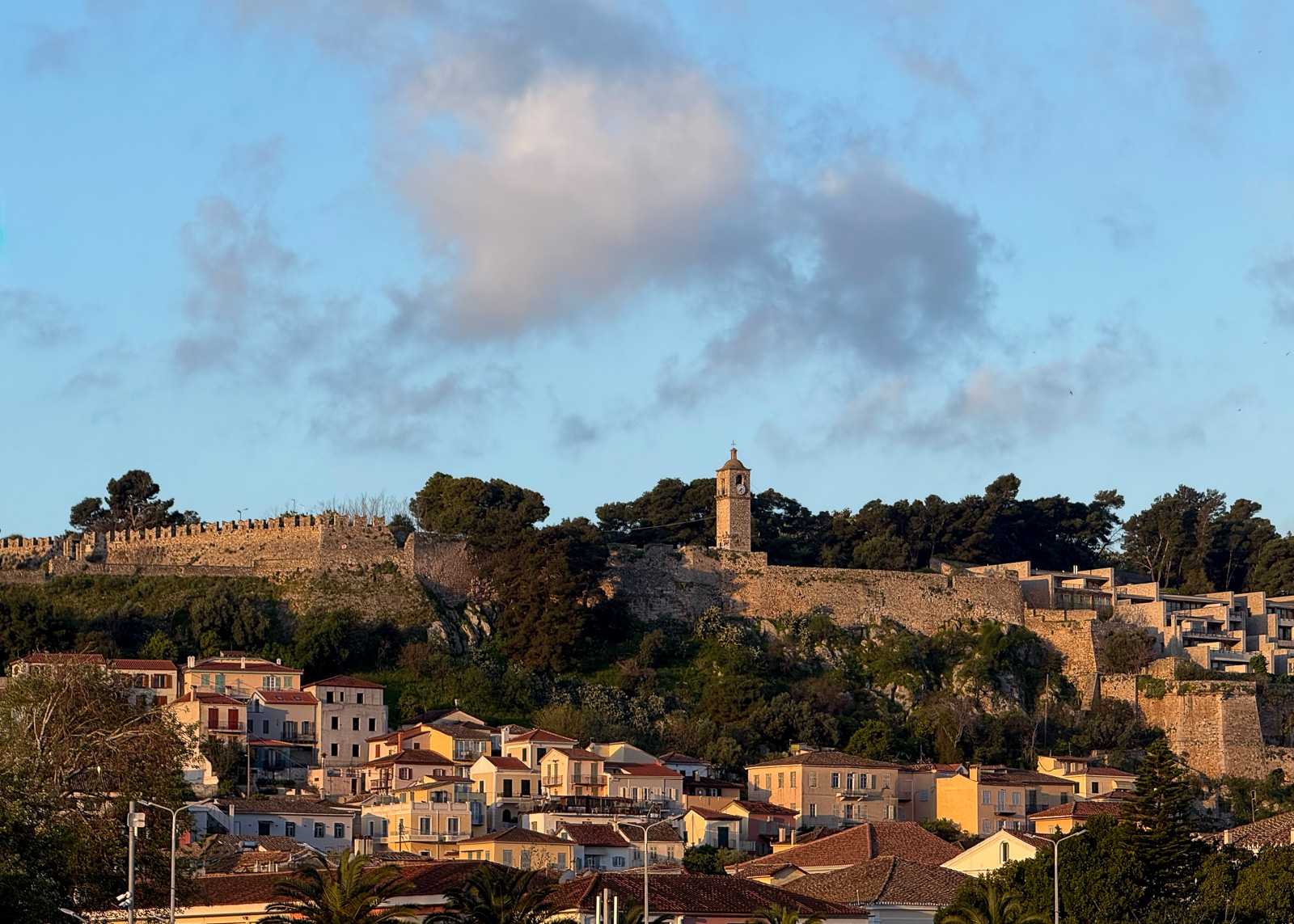
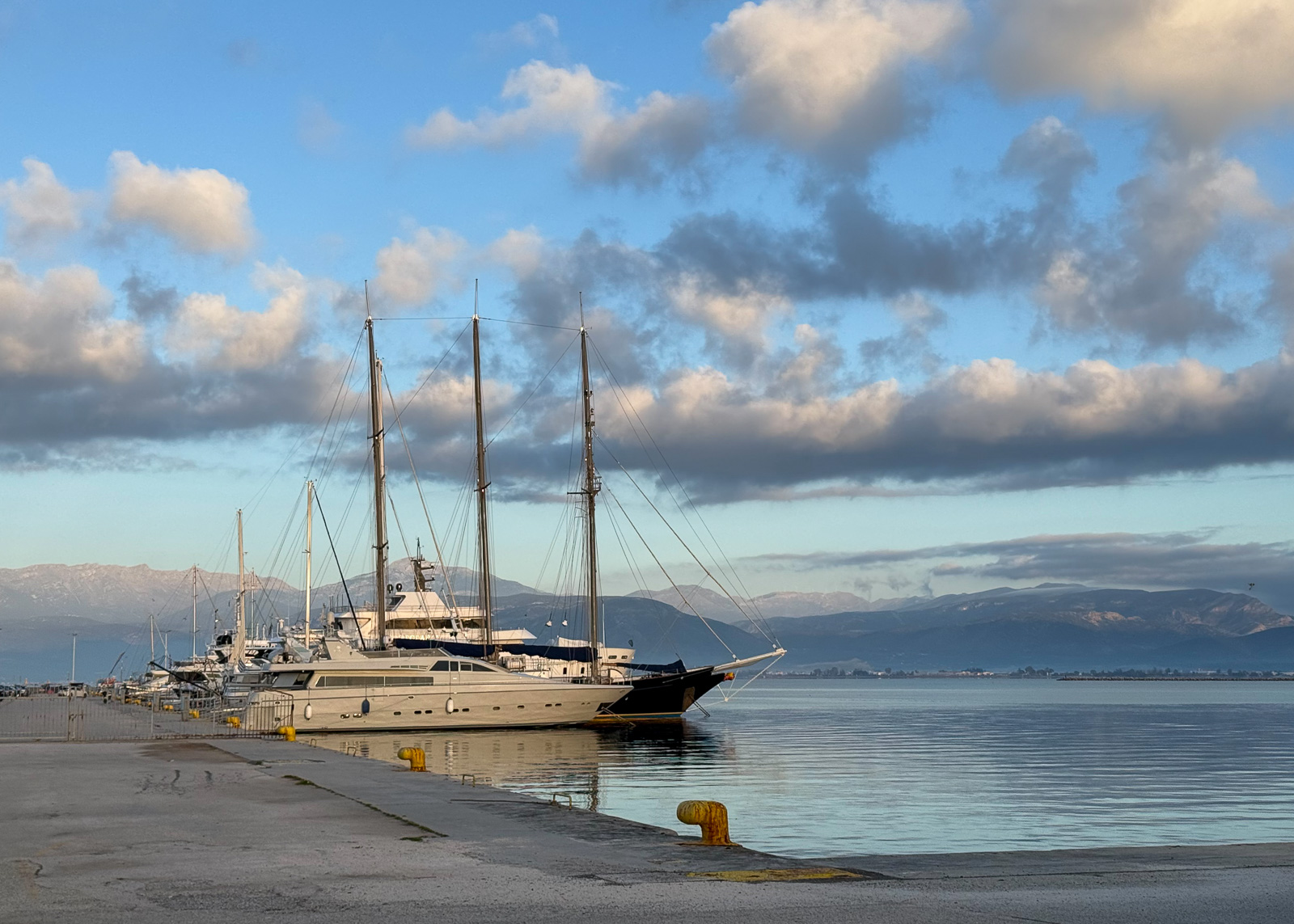
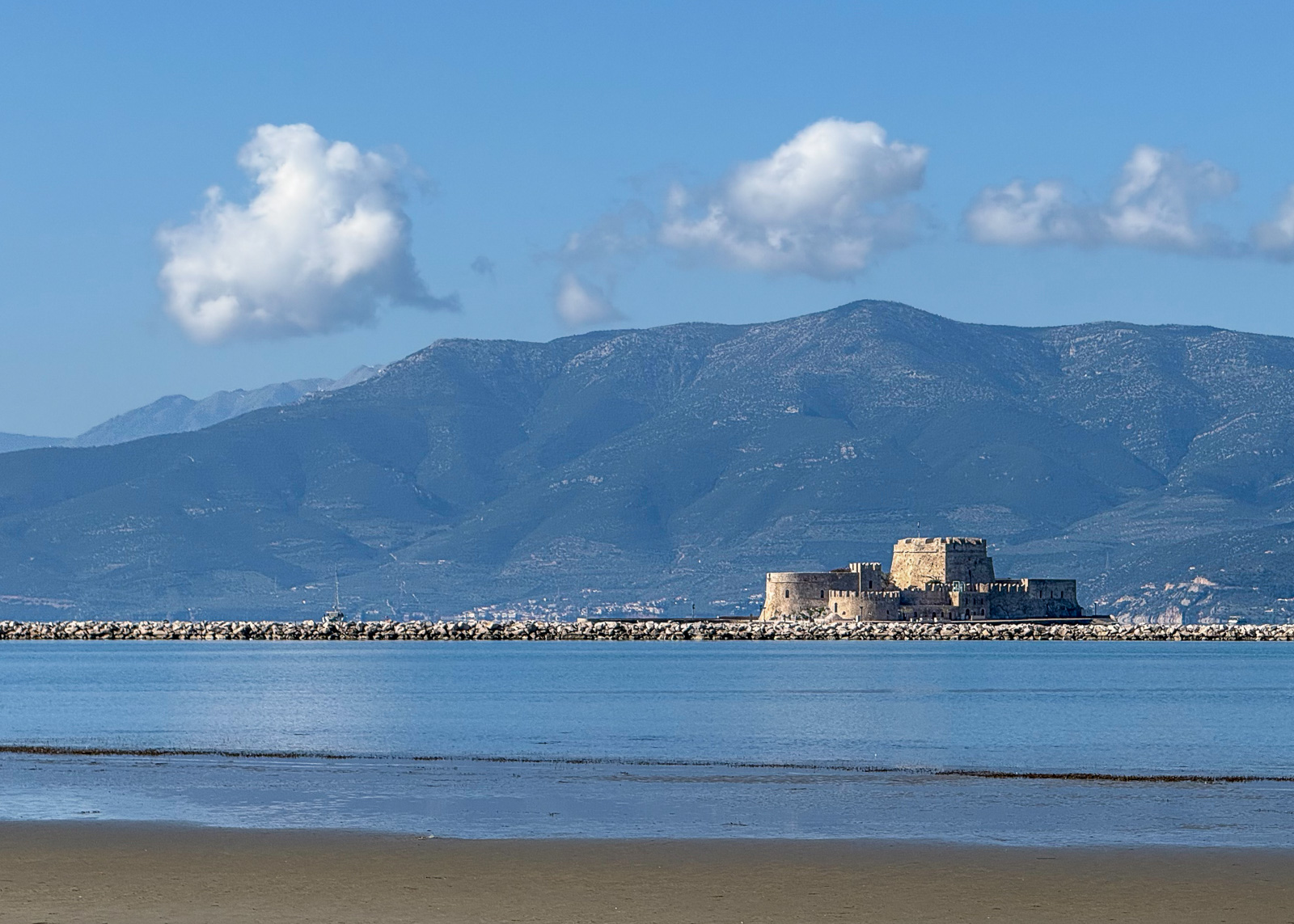
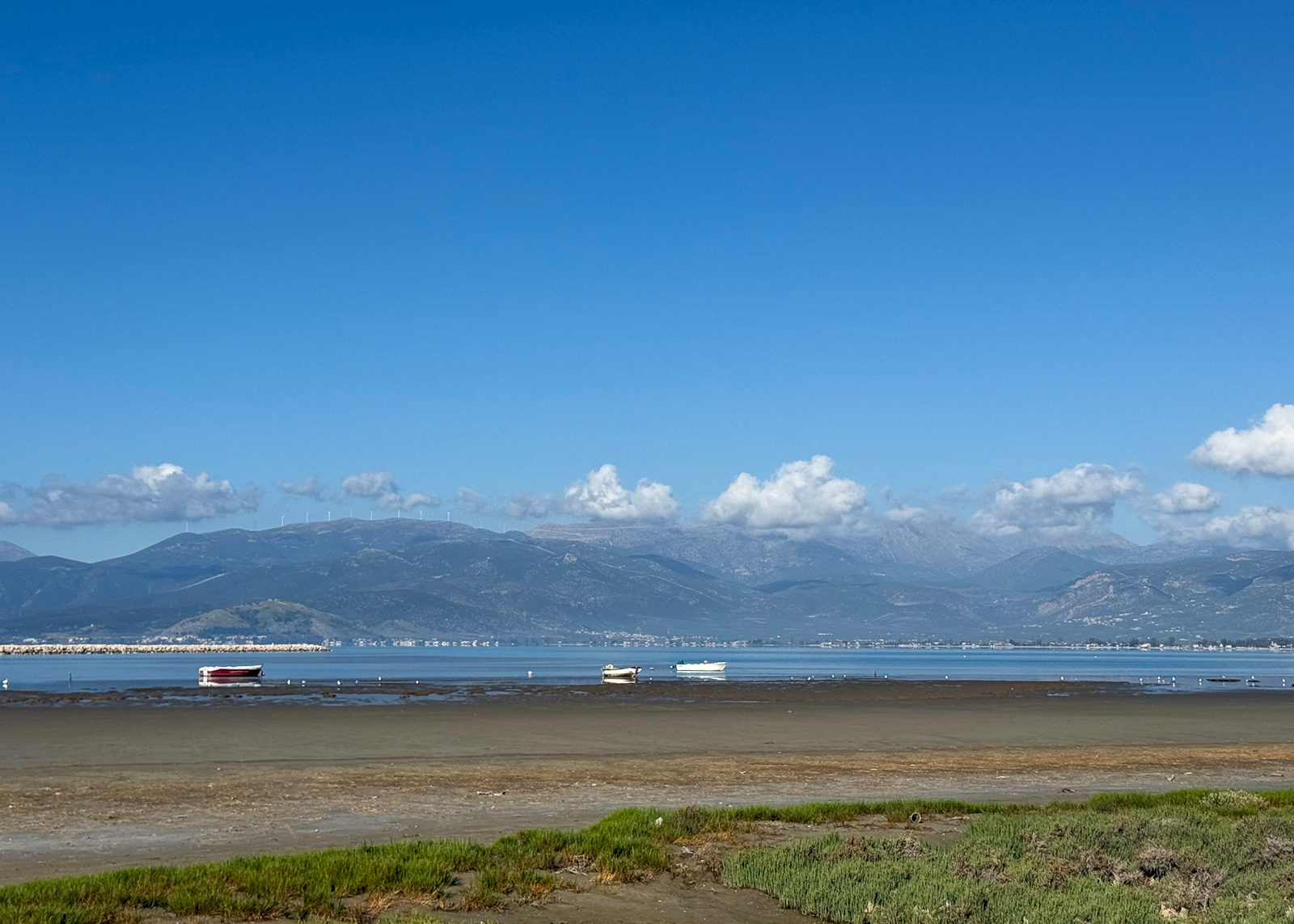
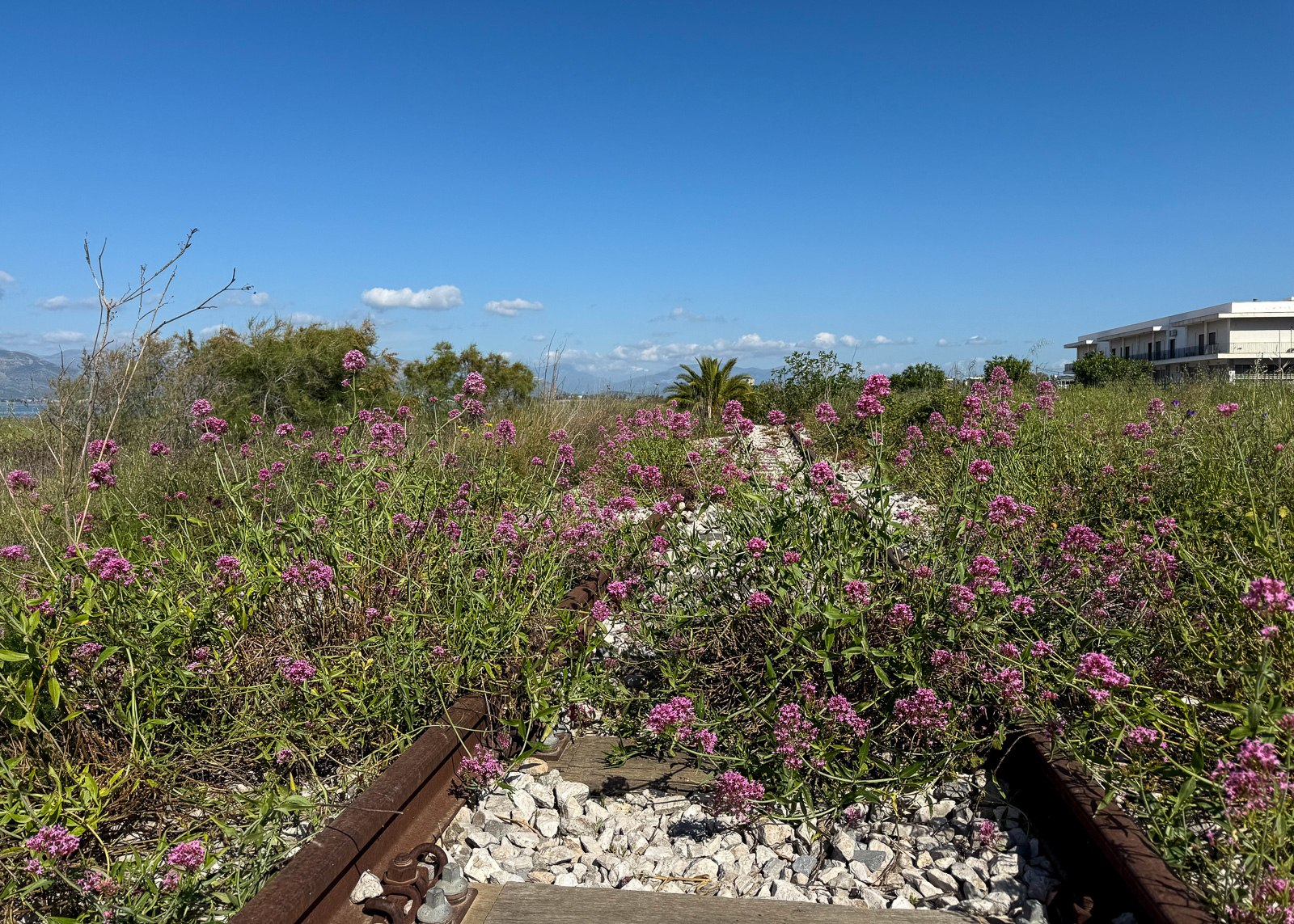
I had a short walk around Nafplio before breakfast. Afterwards we set off for a final bit of birding along the shore. There were quite a few things to see, including several plovers and a couple of smart-looking Mediterranean Gulls. We then returned to the hotel, collected our bags, and headed to the airport.
Final thoughts
I really enjoyed this trip, with its mix of wildlife, scenery, and some history. I managed to see several new birds, but it was the plants that held my attention this time.
The guides were excellent throughout. They were knowledgeable, approachable, and good company. The group worked well, with people sharing sightings and information across different areas of interest.
Orchids
I love orchids and we encountered an extraordinary number throughout the trip, so I’ve added a selection of them in a dedicated gallery here.
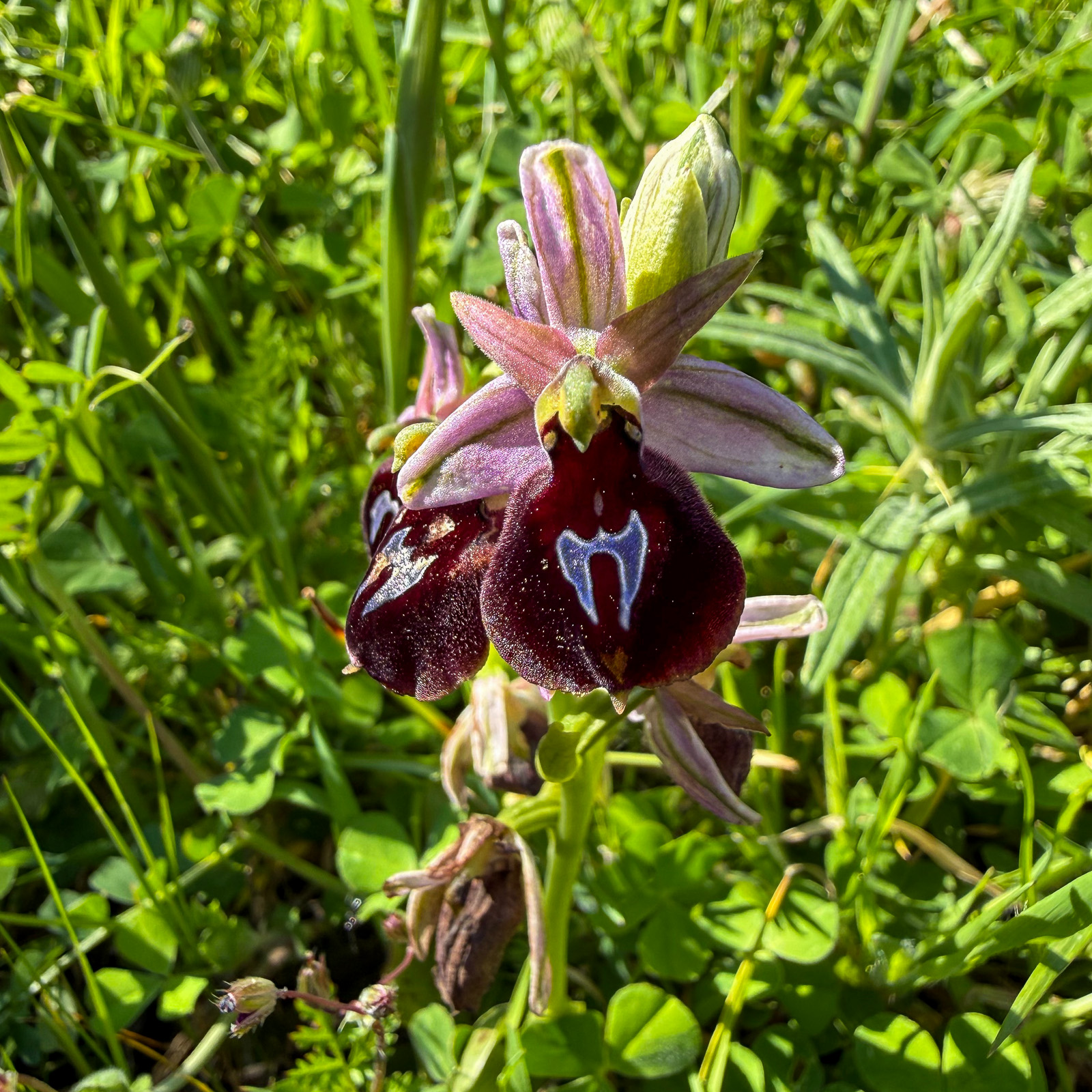
Ophrys ferrum-equinum
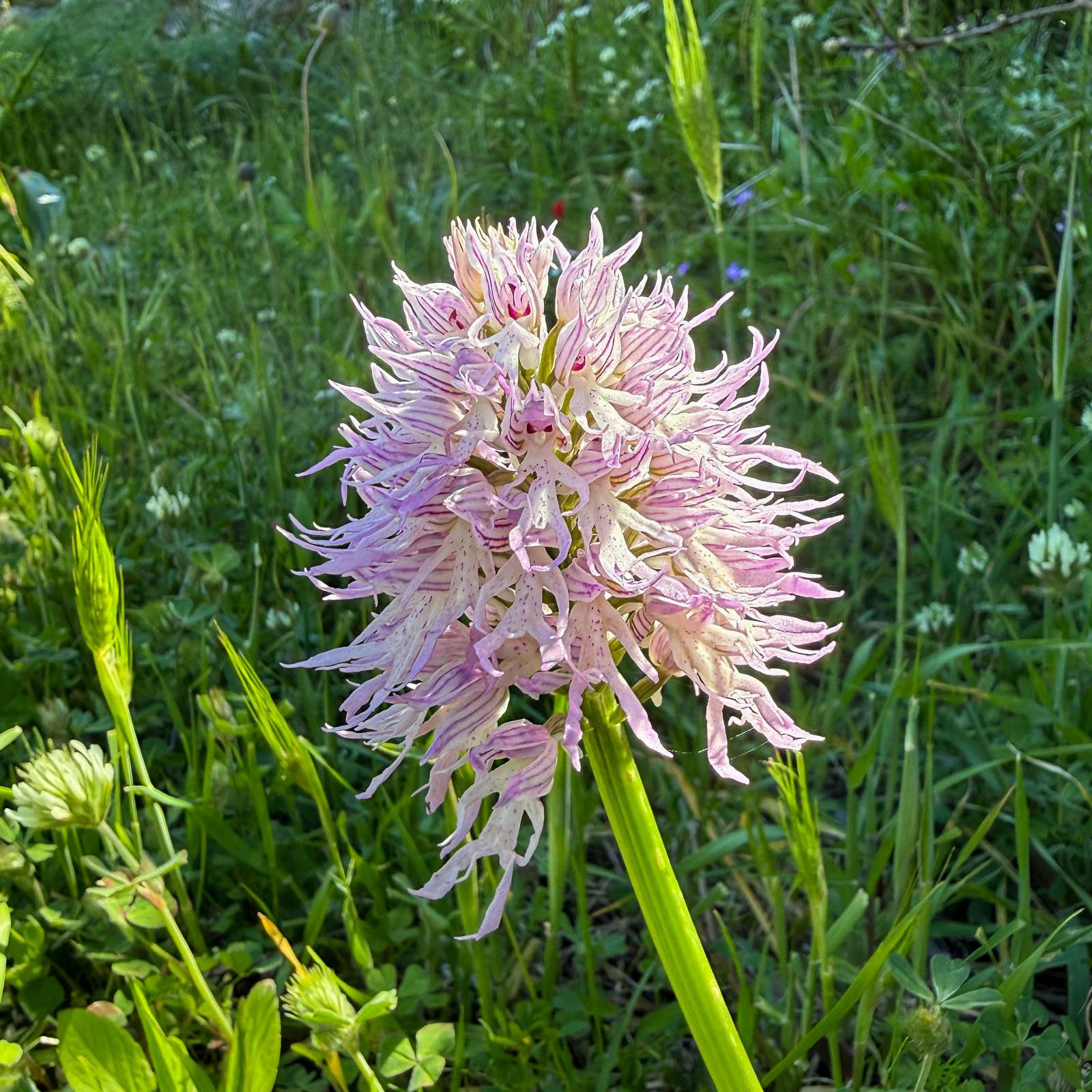
Orchis italica
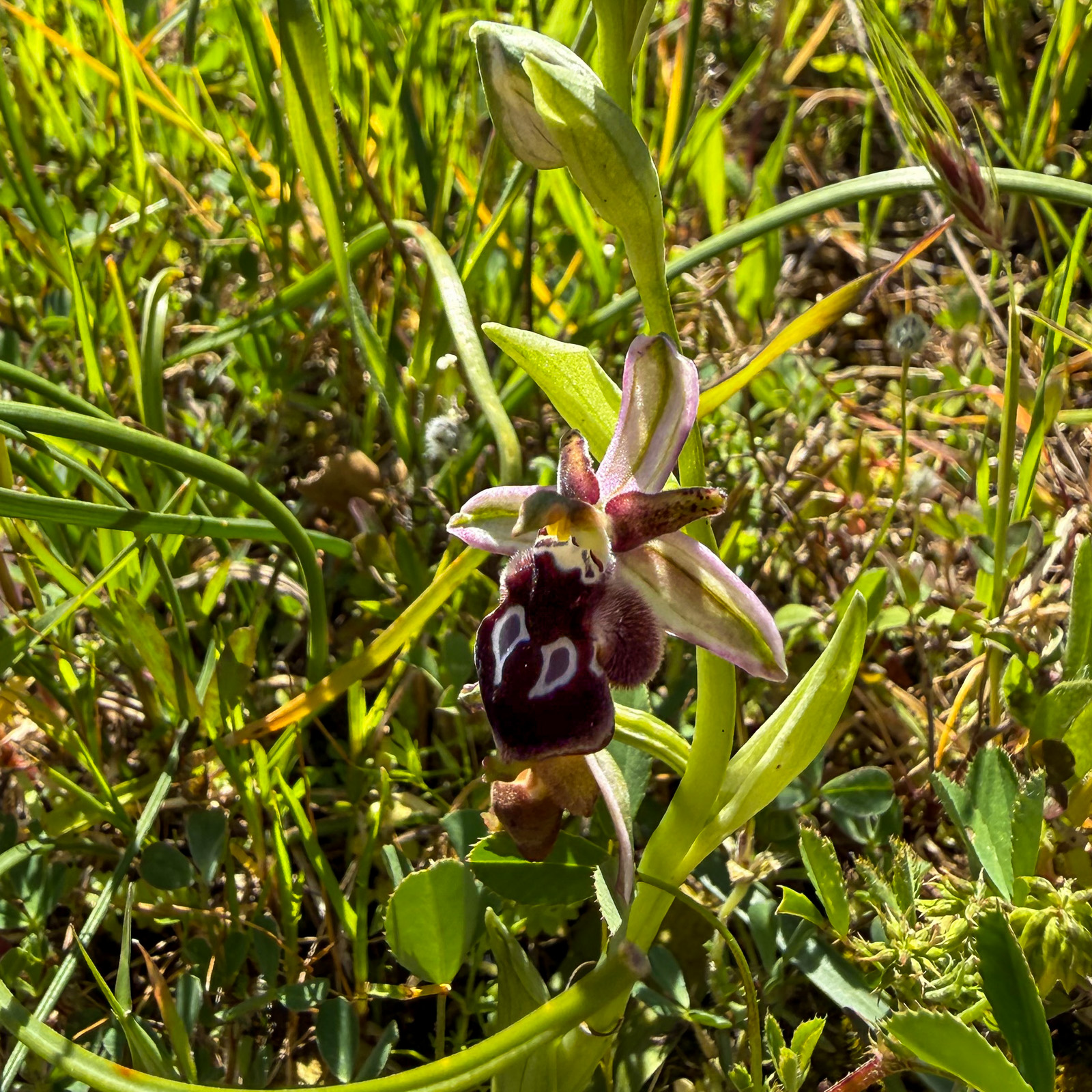
Ophrys reinholdii
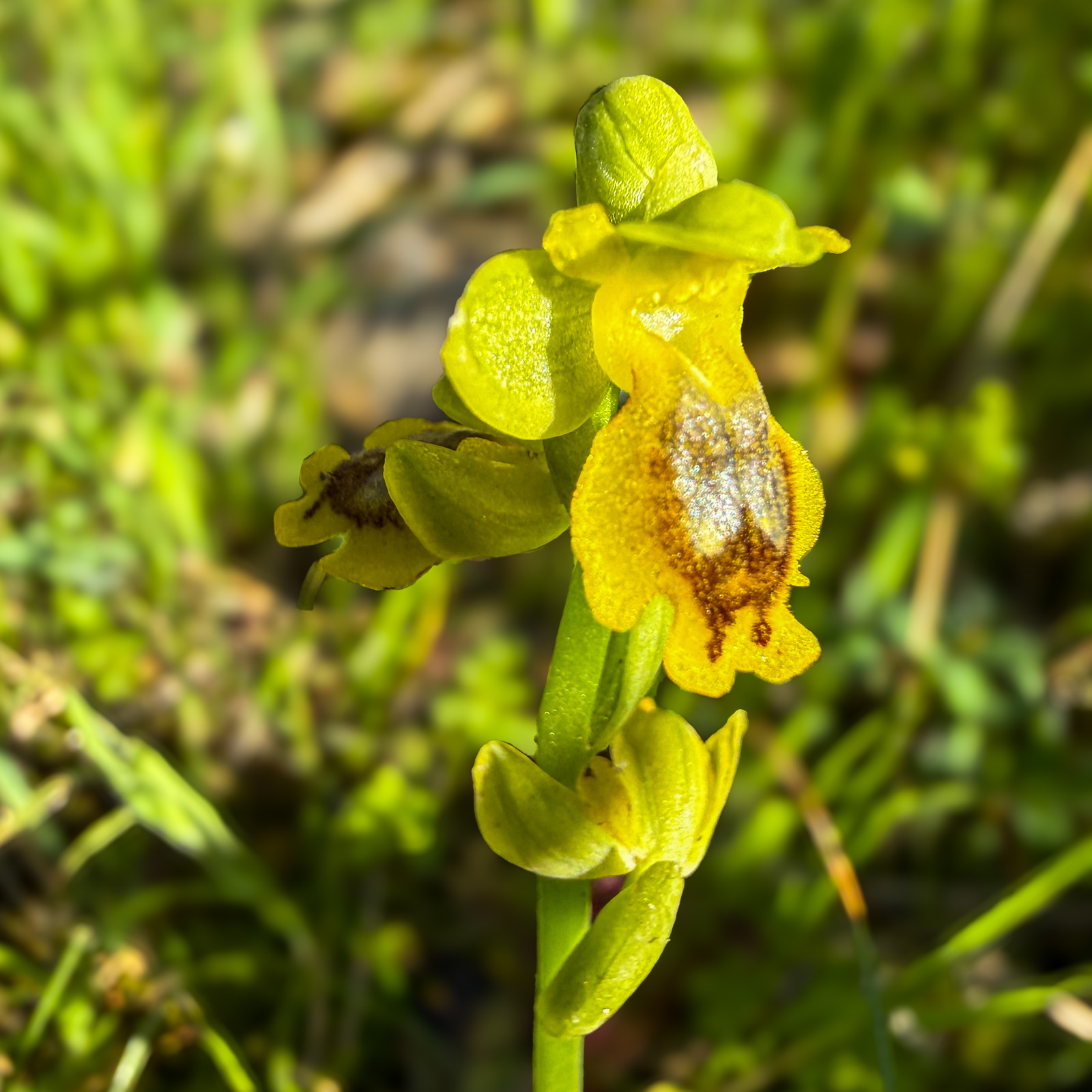
Ophrys lutea
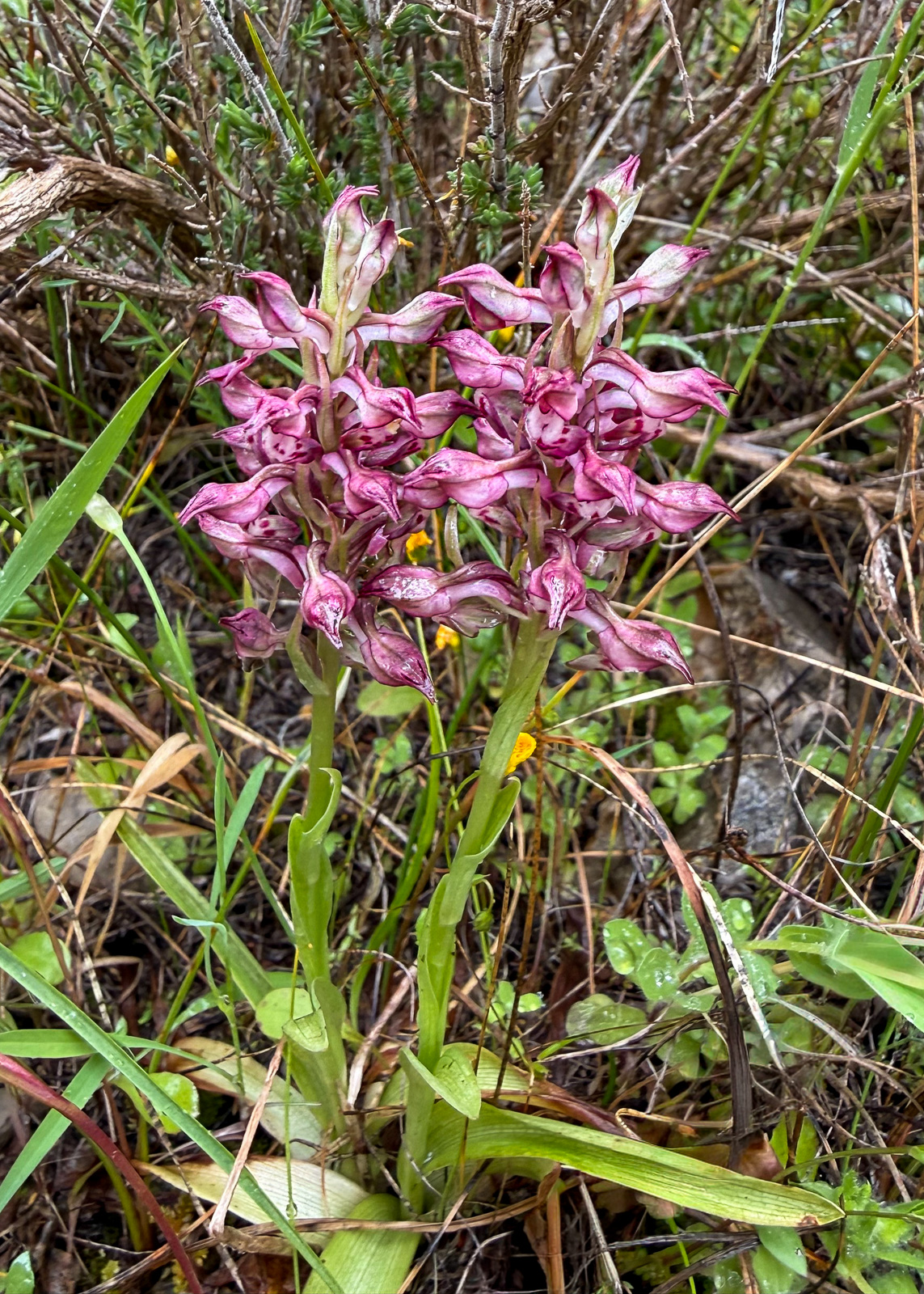
Anacamptis coriophora
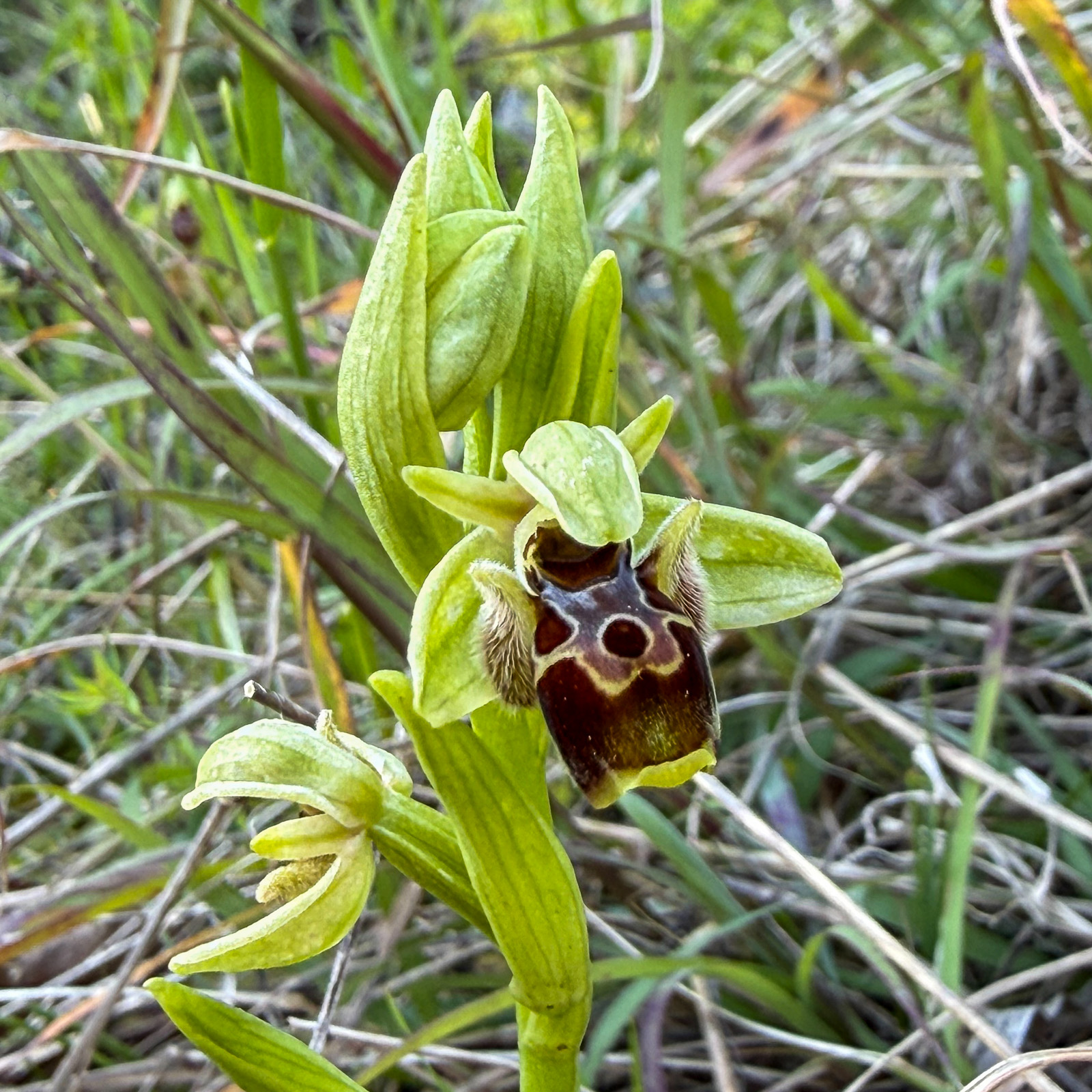
Ophrys umbilicata
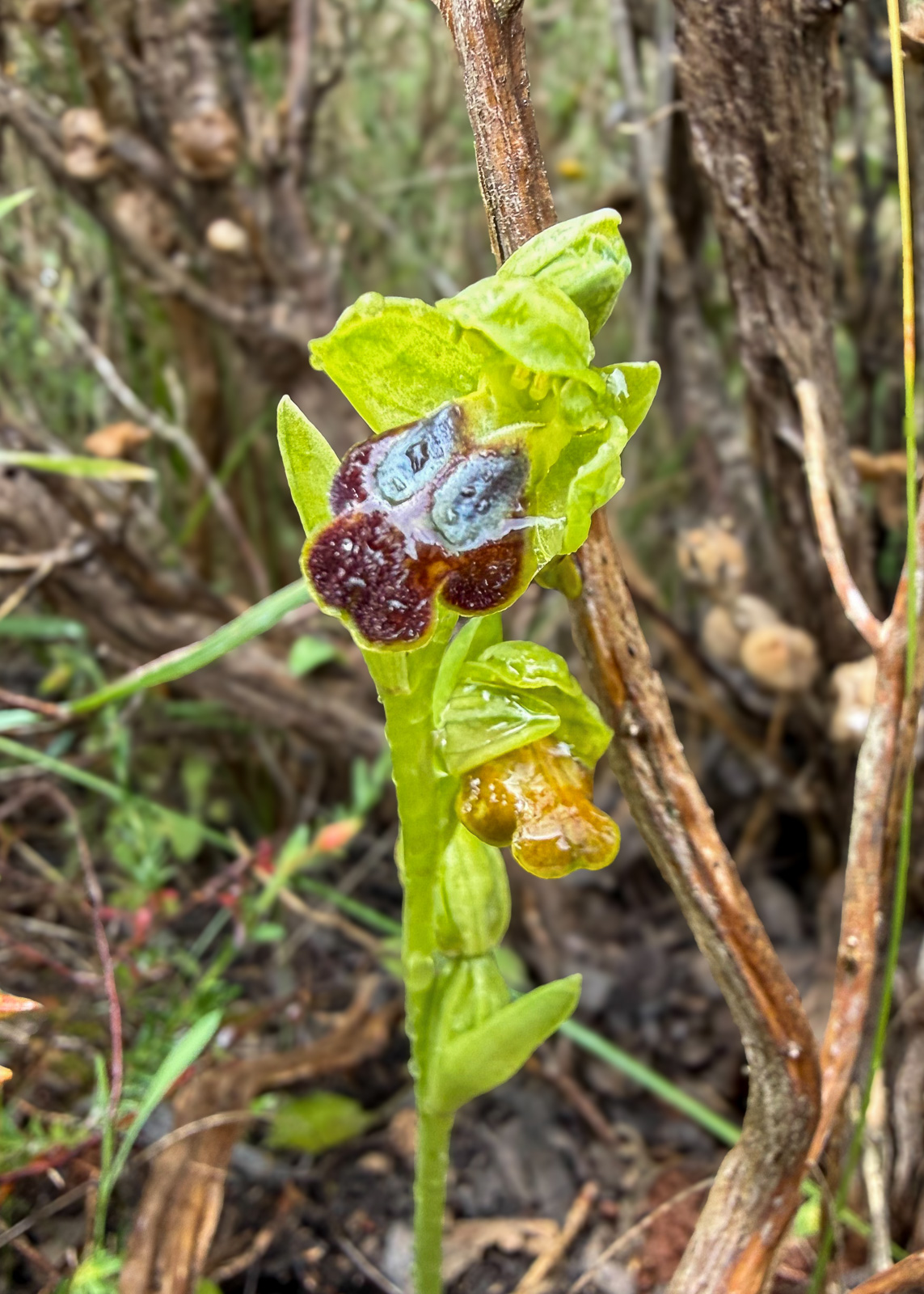
Ophrys fusca
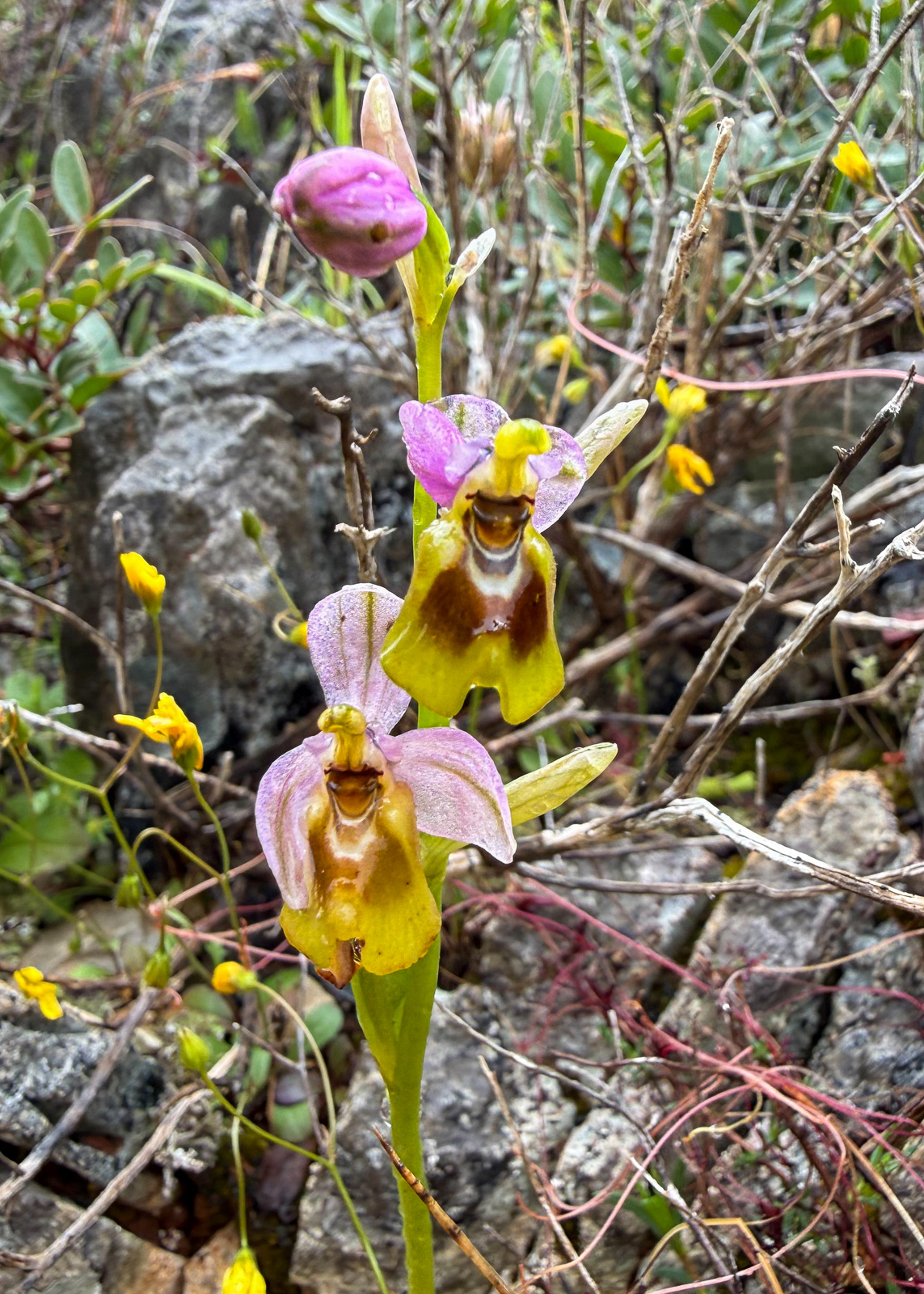
Ophrys tenthredinifera
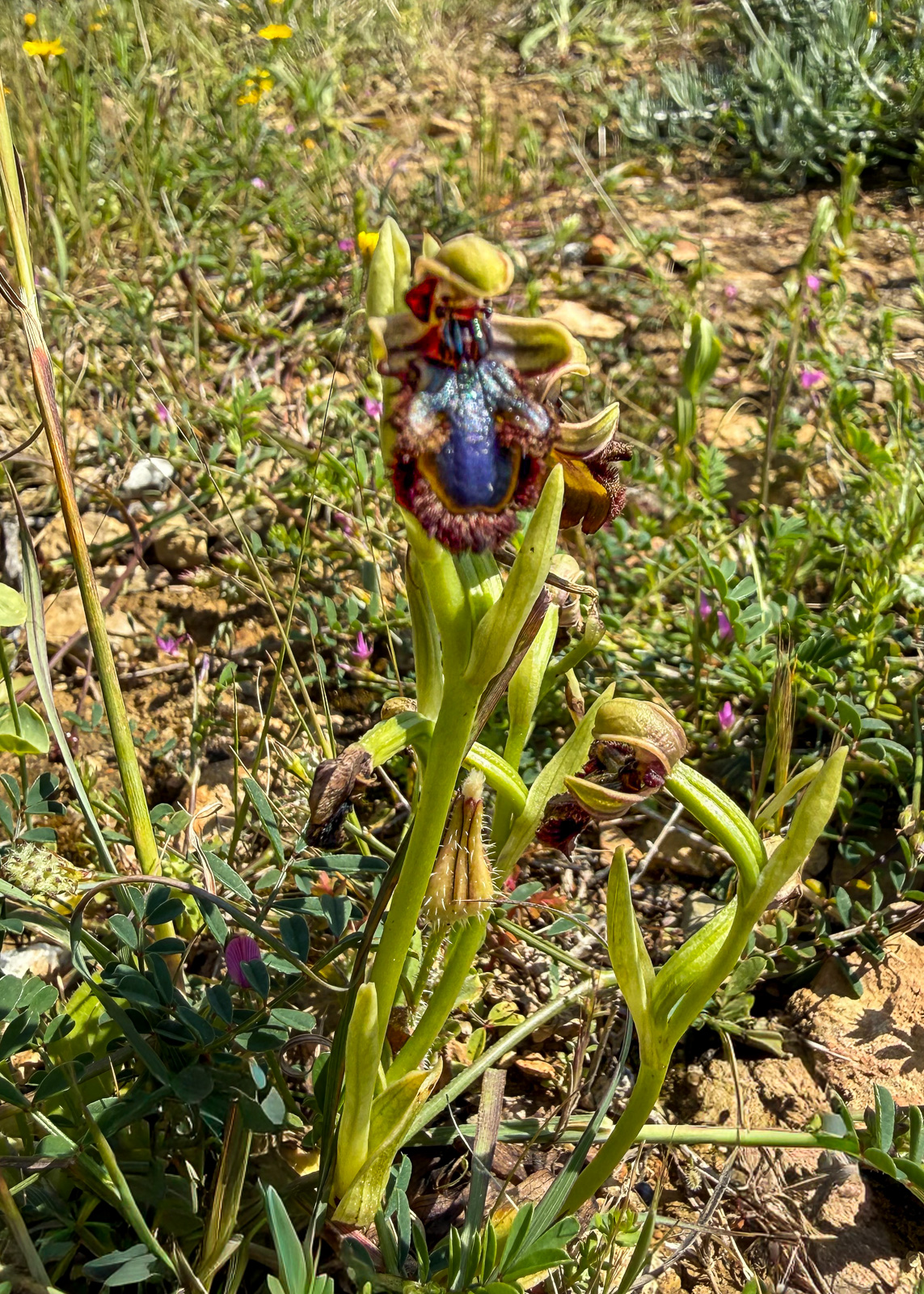
Ophrys speculum
Notes
The features image is the Pink Butterfly Orchid, Anacamptis papilionacea.
I took a huge number of photos during this trip, far more than I could include here. Our checklist covered over 150 birds and more than 750 plants, and even though we didn’t see everything, I still ended up with an overwhelming number of images to choose from.
I’ve also added a few brief historical notes about some of the places we visited, based on information found online.
A small number of bird photos were sharpened using AI tools. Only the bird in the image was processed, and these images are marked with *.
One thought on “Spring in the Peloponnese, April 2026”
Congratulations, Kirsten, on putting together such a concise, atmospheric and accurate summary of this highly enjoyable trip (enhanced greatly by the expertise of our two guides, Mike and Glyn). Your photos – all taken with your phone, as far as I know – are excellent, full of interest and expertly labelled. Just brilliant! Thank you.